

Our advanced materials, thermal science and engineering, high-performance computing, systems analysis, and technology deployment research are helping the manufacturing sector address discovery, scale-up, and device integration bottlenecks. We’re developing new polymers to enable circular supply chains, and we’re studying how to affordably create high-volume, high-value manufacturing processes.

New Polymers and Systems Modeling
Discovering polymers and developing systems-level strategies in waste management and recycling to address plastic waste.
Energy Management and Efficiency
Building on Berkeley Lab’s foundational energy efficiency and management research, analysis, and technical assistance to adapt best practices and technologies.
Electrochemical Refinery
Using Berkeley Lab’s materials, diagnostics, and characterization capabilities coupled with advanced computation approaches to enable more energy efficient pathways, processes, and materials for high-volume or high-value chemicals.
Industrial Heat
Studying the thermal energy required for different industrial processes to find viable alternative heat source replacements.
Industrial Heat
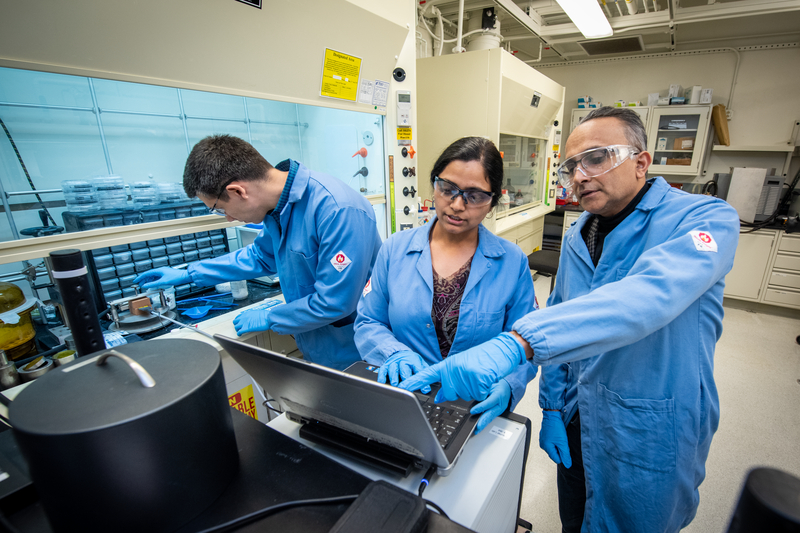
Making energy-intensive manufacturing processes more efficient.
Industrial and Commercial Motor System Market Assessment
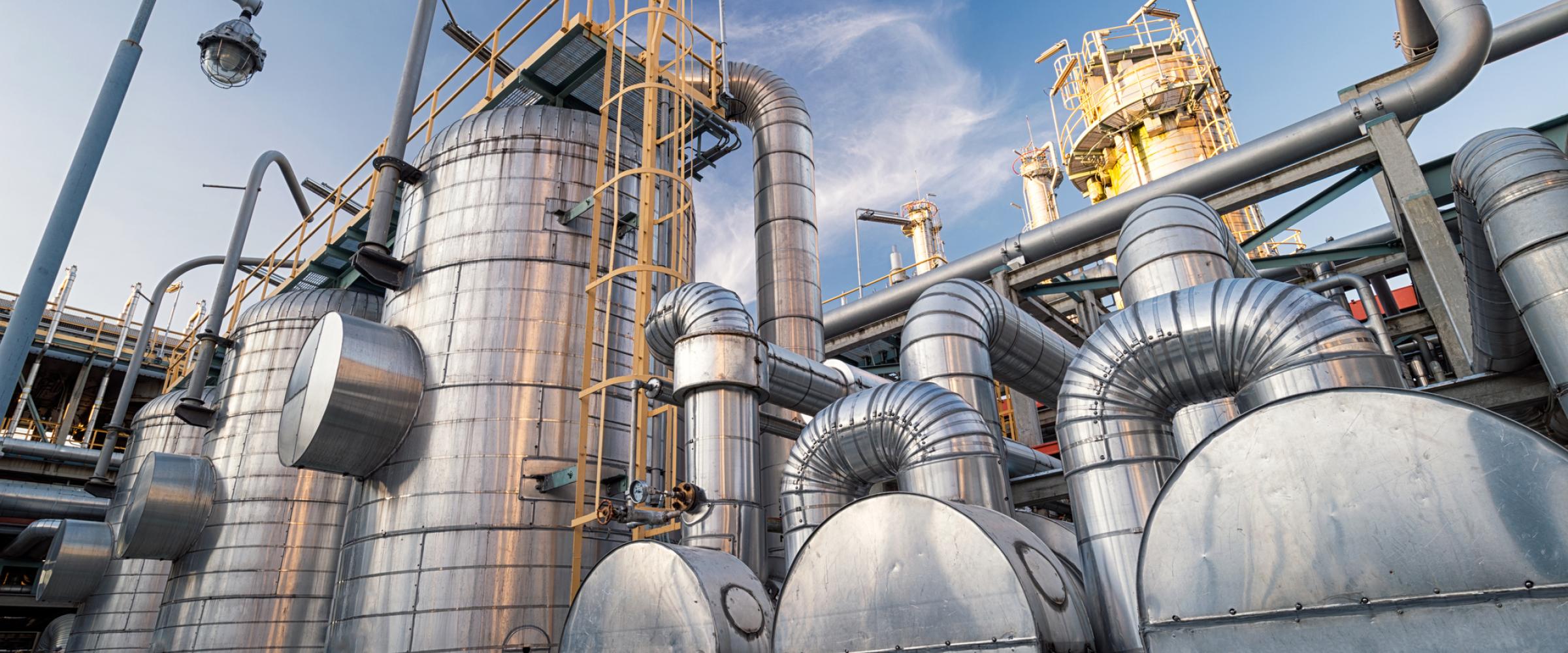
Assessing the energy savings potential of industrial motor systems.
Technoeconomic Analysis
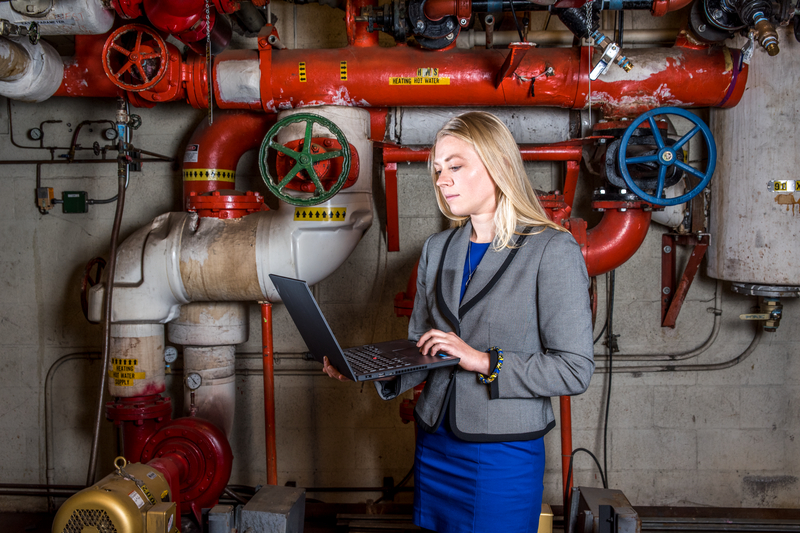
Evaluating how to improve the performance, economics, and environmental impact of manufacturing innovations and other technological advancements.
50001 Ready Energy Management
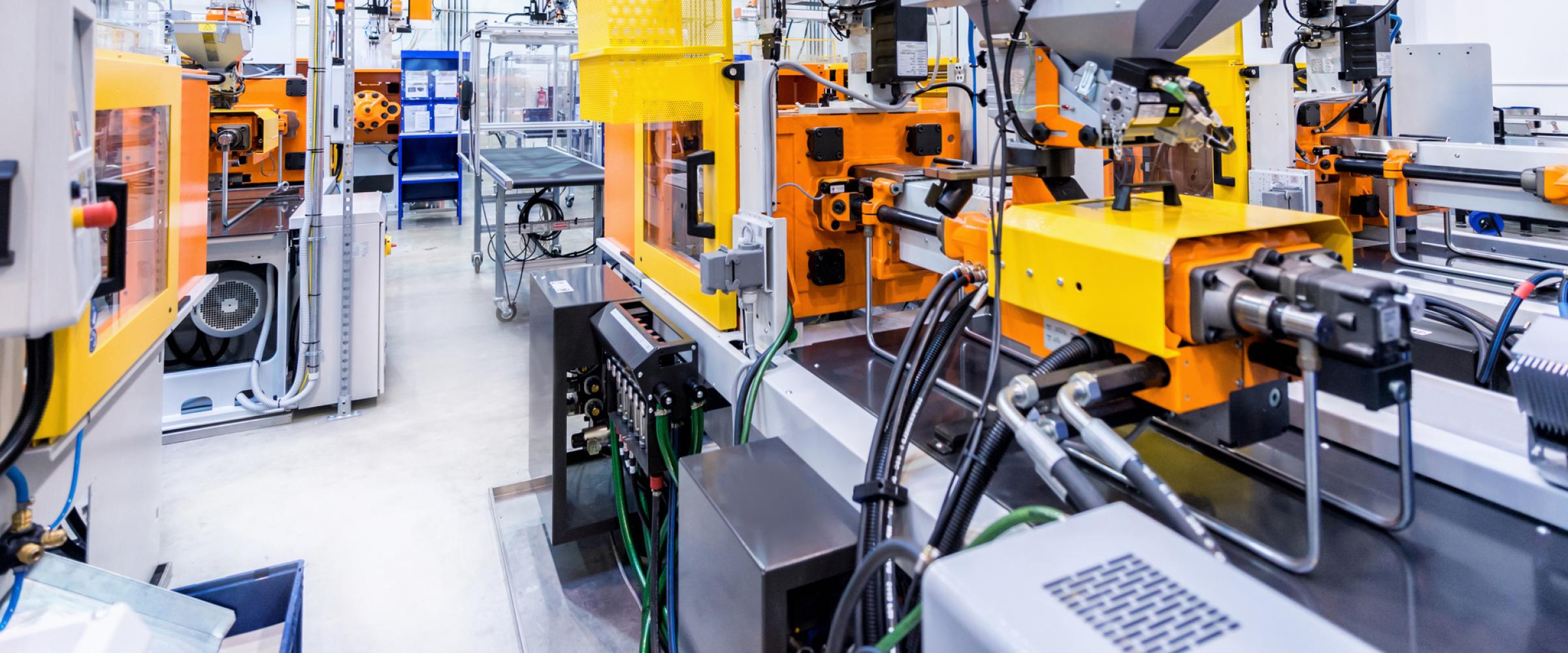
Developing standards, programs, workforce qualifications, and implementation models for energy management business practices.
Industrial Applications
Developing scientific approaches to identify innovation pathways for industrial facilities.

Vi Rapp’s multifaceted expertise spans the creation of novel combustion technologies for both residential and industrial applications, coupled with a parallel commitment to cultivating the next generation of industrial energy management professionals.

Sarah Smith is a research scientist in the Energy Analysis & Environmental Impacts Division's Sustainable Energy Systems group. Her current research includes organic waste management and nutrient recovery cost and emissions modeling, end-use load shape modeling for demand response potential estimation, and battery cost, manufacturing, and supply chain analyses.
Prakash Rao is a research scientist in the Energy Technology Area and heads its Buildings and Industrial Applications Department. He researches the potential for reducing the energy consumption and water use impacts of the U.S. manufacturing sector while maintaining its productivity. This work includes developing tools, resources, and roadmaps for industry.
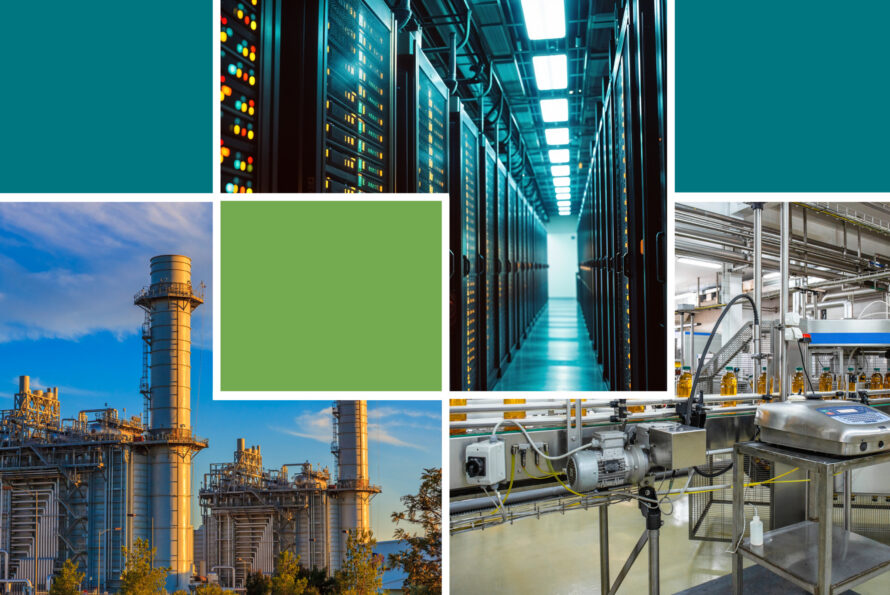
Three Berkeley Lab projects have been selected as part of an investment in American industrial innovation. Spanning load flexibility, data center cooling, and food processing, the projects build on the Lab’s expertise in developing and testing leading-edge technologies to boost American productivity and competitiveness.
This episode features three scientists working to manage the planet’s plastic addiction by developing smarter materials that avoid the pitfalls of 20th century plastics. We talk about the challenges of the current recycling and composting systems, philosophies of materials design, why trying to recycle some things is just “wishcycling,” why consumer preferences matter, and why we can allow ourselves to feel a little optimism — even though the news paints a pretty bleak picture sometimes.
A Better Model for Converting Carbon Dioxide into Fuels and Products
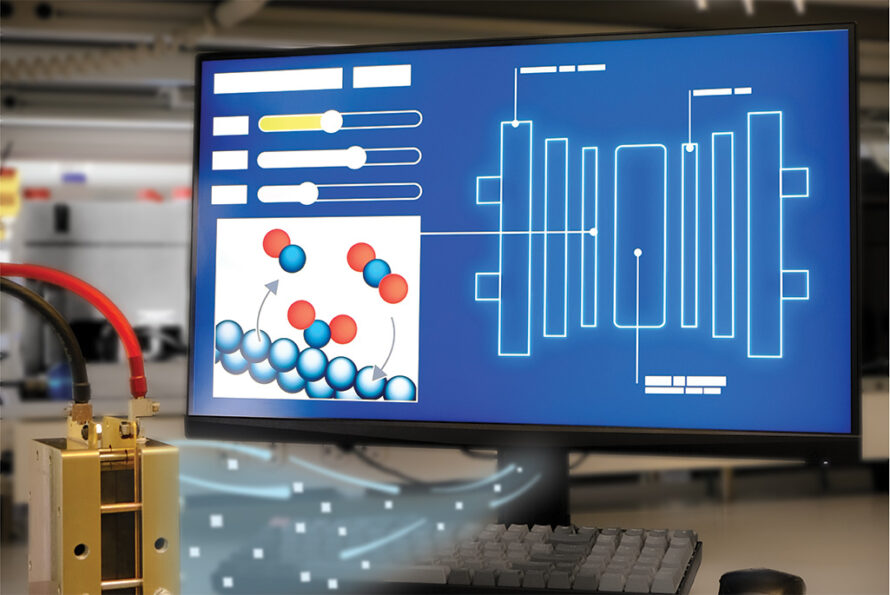
Scaling Up Nano for Sustainable Manufacturing

Making Renewable, Infinitely Recyclable Plastics Using Bacteria
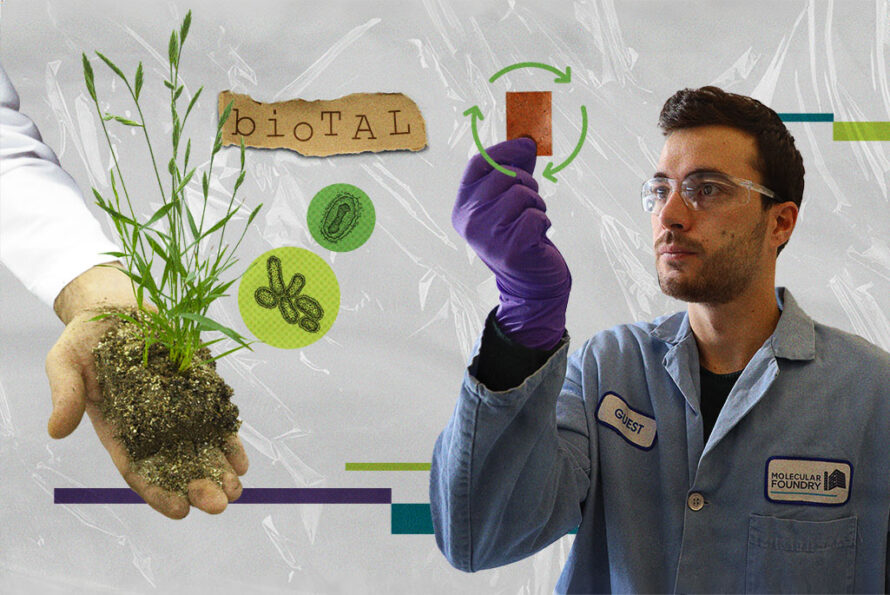
Biomanufacturing
Grid Reliability

Artificial Intelligence