
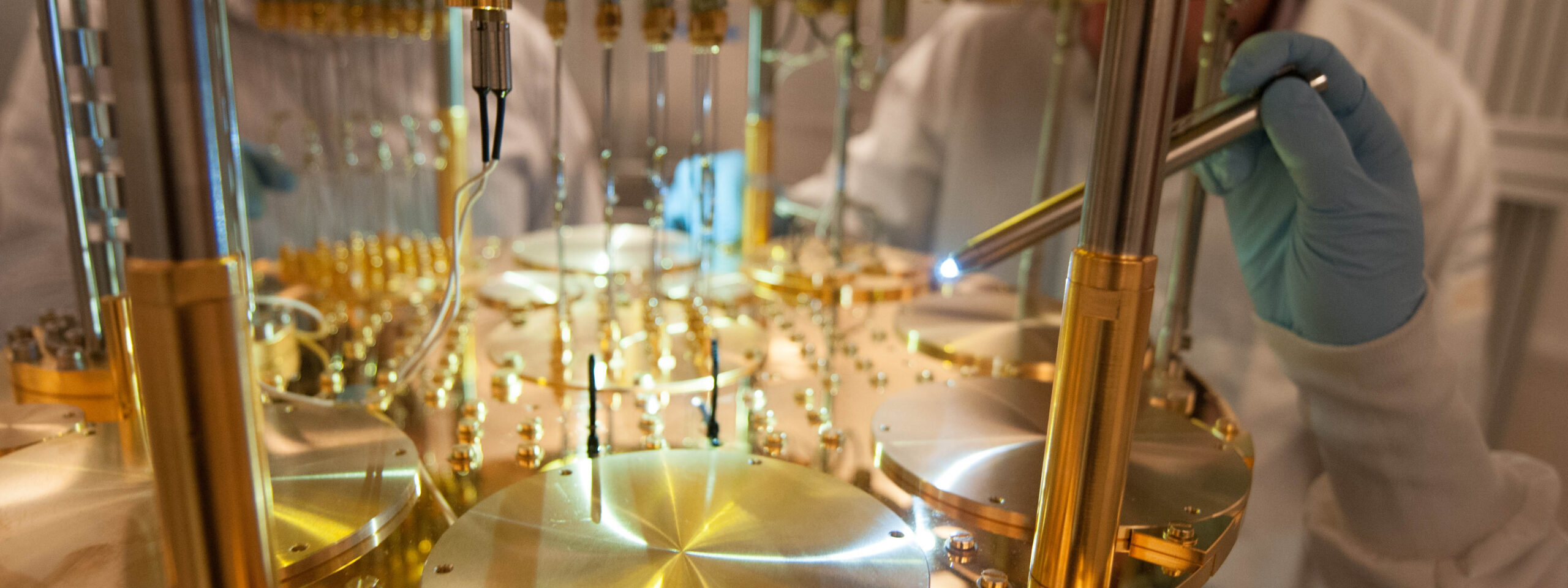
Partnering with industry and academia, we’re working across the quantum research ecosystem — from theory to application — to fabricate and test quantum-based devices, develop software and algorithms, and build a prototype computer and network. We’re seeking breakthroughs in physics and chemistry, new materials, and more secure communications. And we’re helping prepare the future quantum workforce.
Quantum materials
Predicting, designing, and synthesizing quantum materials and tailoring their properties to address pressing technological needs.
Quantum hardware
Designing and fabricating proof-of-principle and prototype quantum processors, controls, sensors, and more.
Quantum software and protocols
Developing algorithms and programming tools to harness the power of quantum computing.
Quantum communications and networks
Developing a prototype quantum network based on entanglement to connect quantum testbeds.
Advancing science with quantum
Exploring the application of quantum computing for discoveries in physics, chemistry, biology, and more.
Training the quantum workforce
Growing a next-generation workforce to keep the nation at the forefront of quantum science innovation.
Quantum Systems Accelerator (QSA)
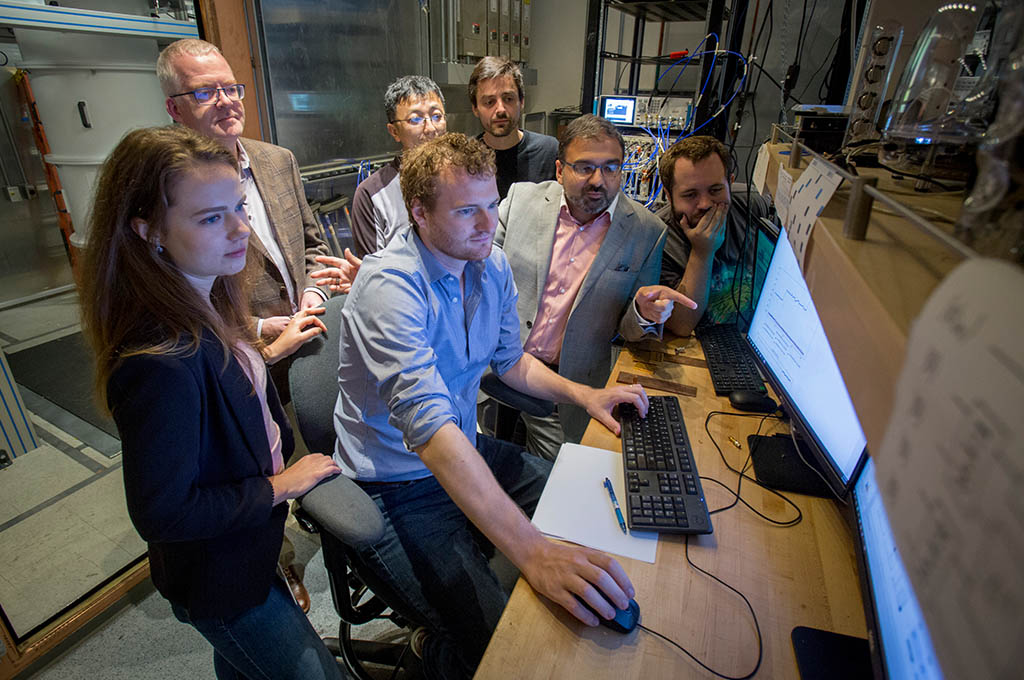
Bringing together an ecosystem of 80 world-class researchers from 15 partner institutions to catalyze national leadership in quantum information science.
Advanced Quantum Testbed (AQT)
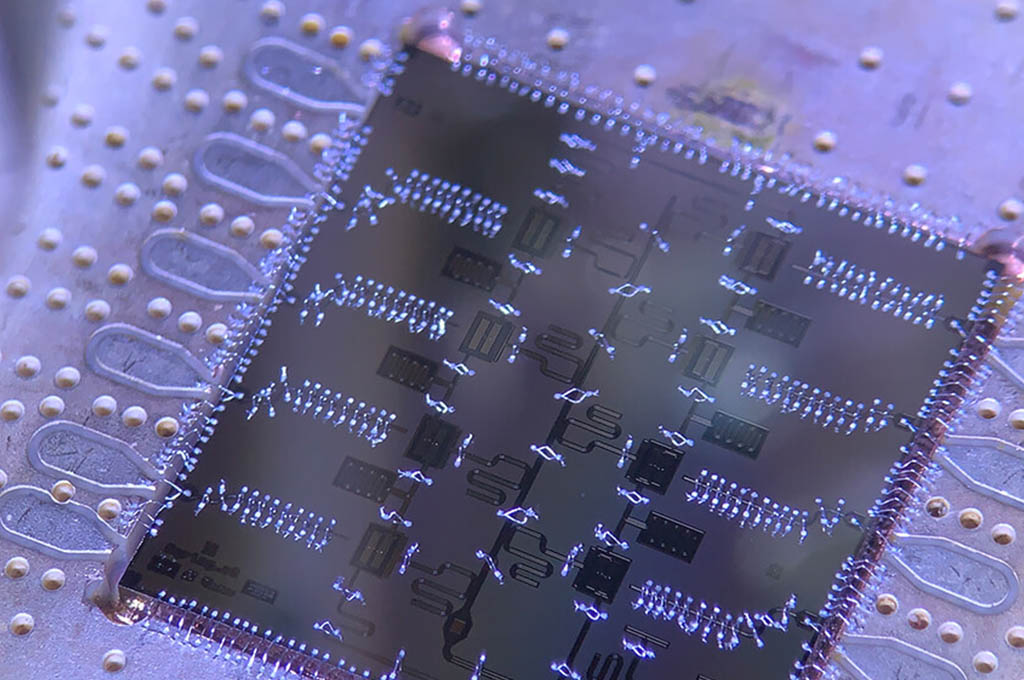
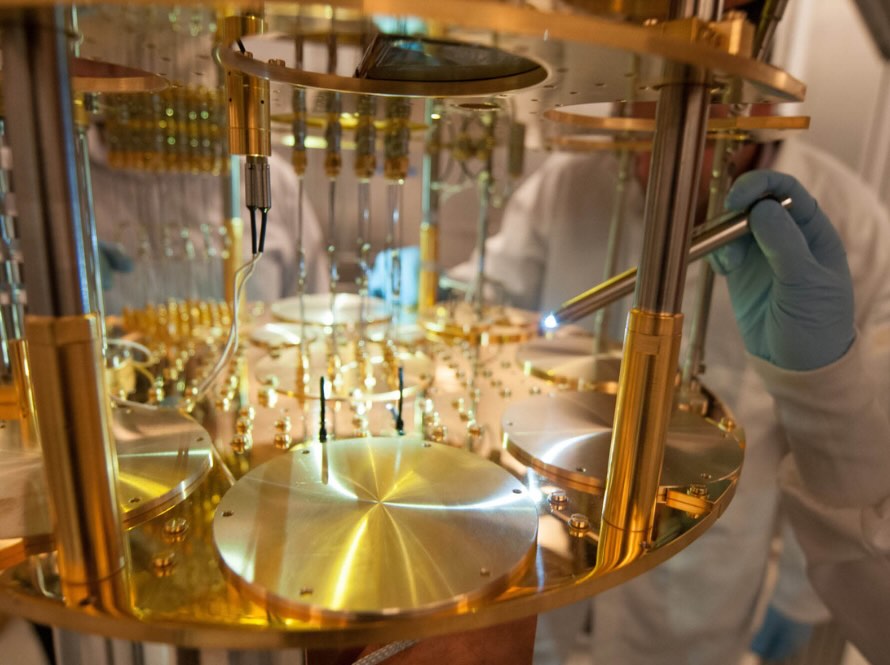
A collaborative research laboratory and open-access testbed to advance quantum computing based on superconducting circuits.
Quantum Networking
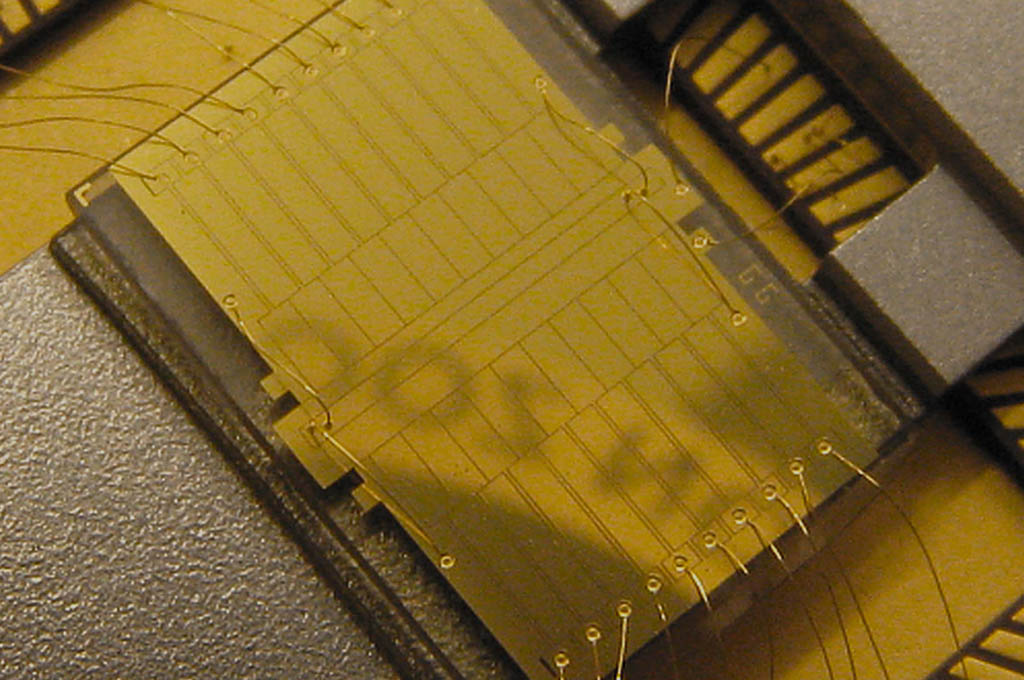
Building a proof-of-concept testbed (QUANT-NET) for quantum network research and development – focusing on repeater-friendly quantum node technologies, quantum network architecture and protocol stacks, and high-efficiency quantum frequency conversion.
National Energy Research Scientific Computing Center (NERSC): Quantum Information Science (QIS)
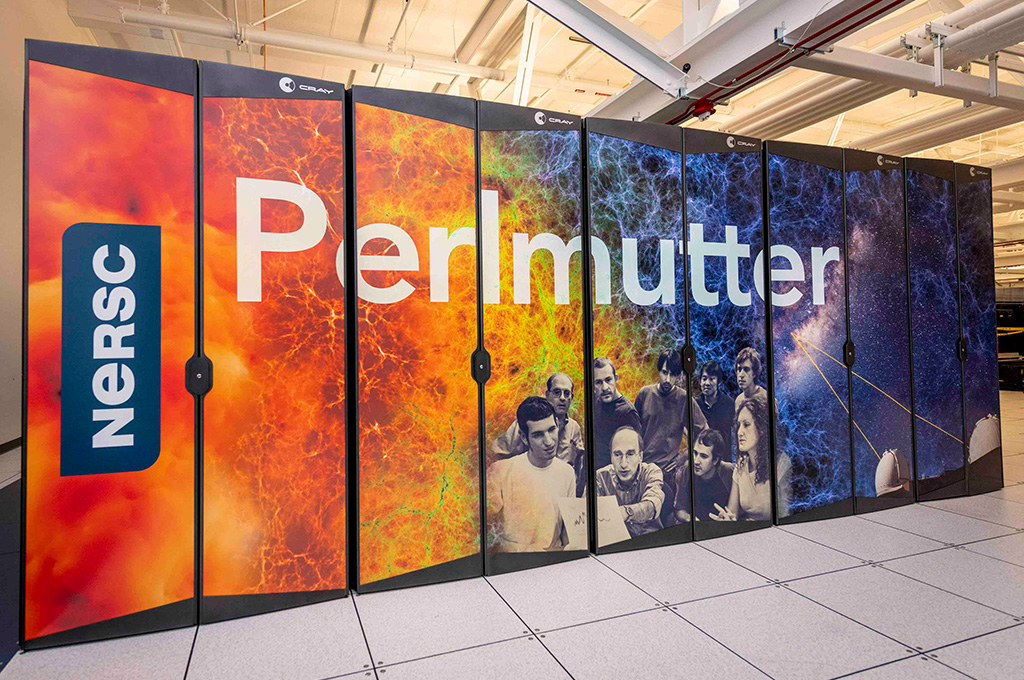
Researchers are modeling QIS devices, circuits, and algorithms on Perlmutter and exploring hybrid computing techniques, which integrate classical computers with quantum tech, to illustrate the potential of QIS for scientific discovery.
Quantum Information Science at the Molecular Foundry

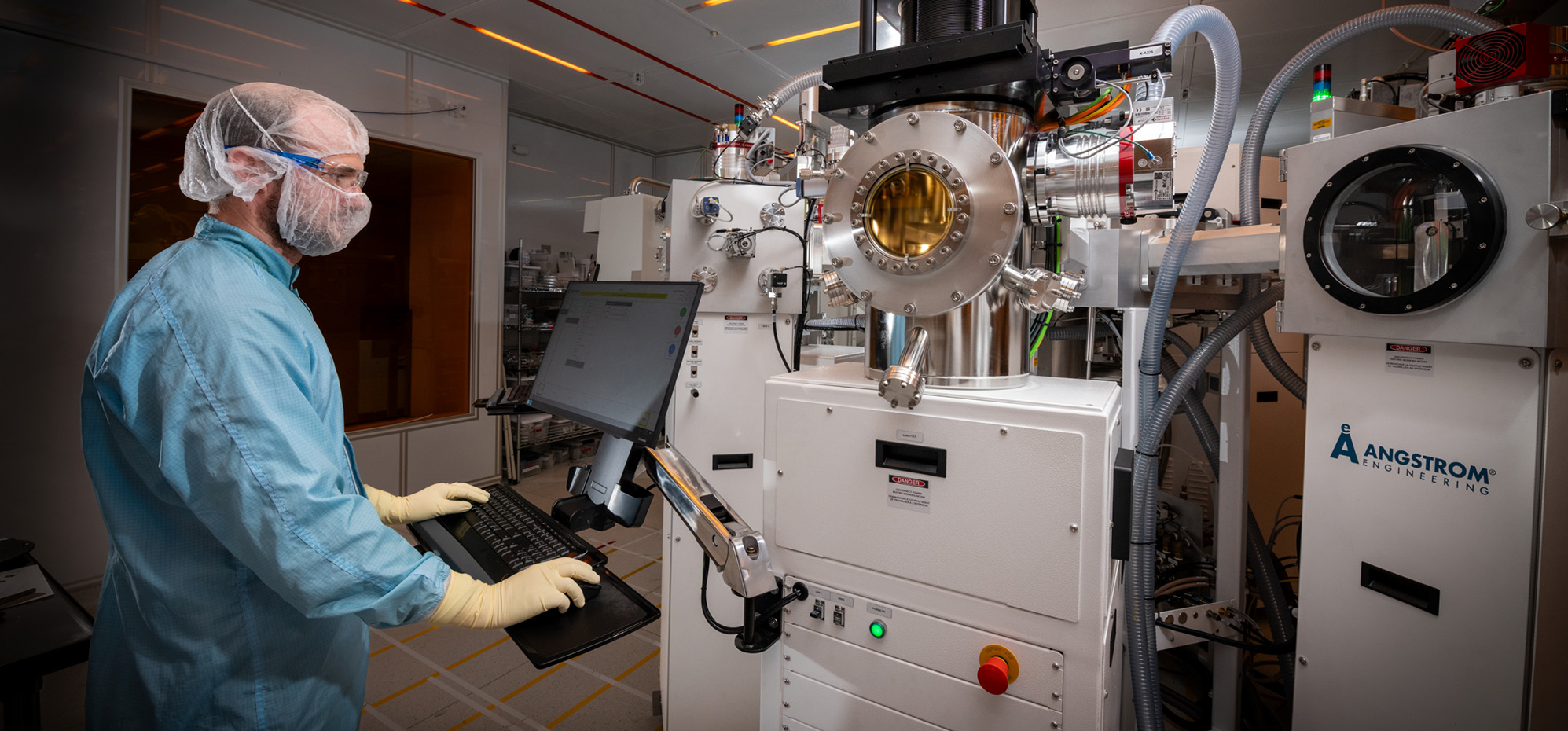
Scientists are creating a “nanofabrication cluster tool set” that allows users to investigate the fundamental limits of state-of-the-art quantum systems. Another effort is developing a unique suite of electron beam-based metrology techniques.
Advanced Light Source (ALS): Quantum Materials Research and Discovery Thrust Area
Advancing the development and understanding of new synthetic materials and their electronic, spin, chemical, and physical properties.
MACH-Q

Modular and Error-Aware Software Stack for Heterogeneous Quantum Computing Ecosystems (MACH-Q) is developing a modular, readily expandable, and error-aware quantum software stack. These capabilities will enable plug-and-play deployment in emerging heterogeneous and distributed quantum computing environments, as well as integration with third-party software.
Berkeley Quantum Synthesis Toolkit (BQSKit)
BQSKit is a superoptimizing quantum compiler and research vehicle that combines ideas from several projects at Berkeley Lab into an easily accessible and quickly extensible software suite.
Quantum Sensors and Simulations for High Energy Physics and Cosmology
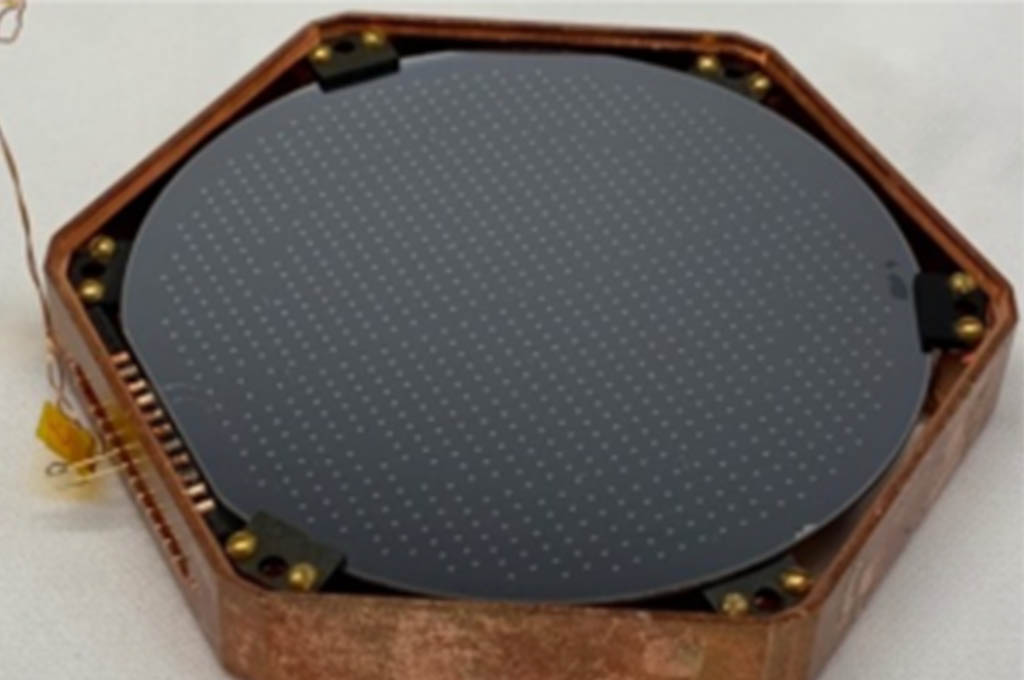
Berkeley Lab is developing sensors that enlist properties of quantum physics to probe for dark matter particles in new ways, with increased sensitivity and in previously unexplored energy regimes.
Quantum Materials Program
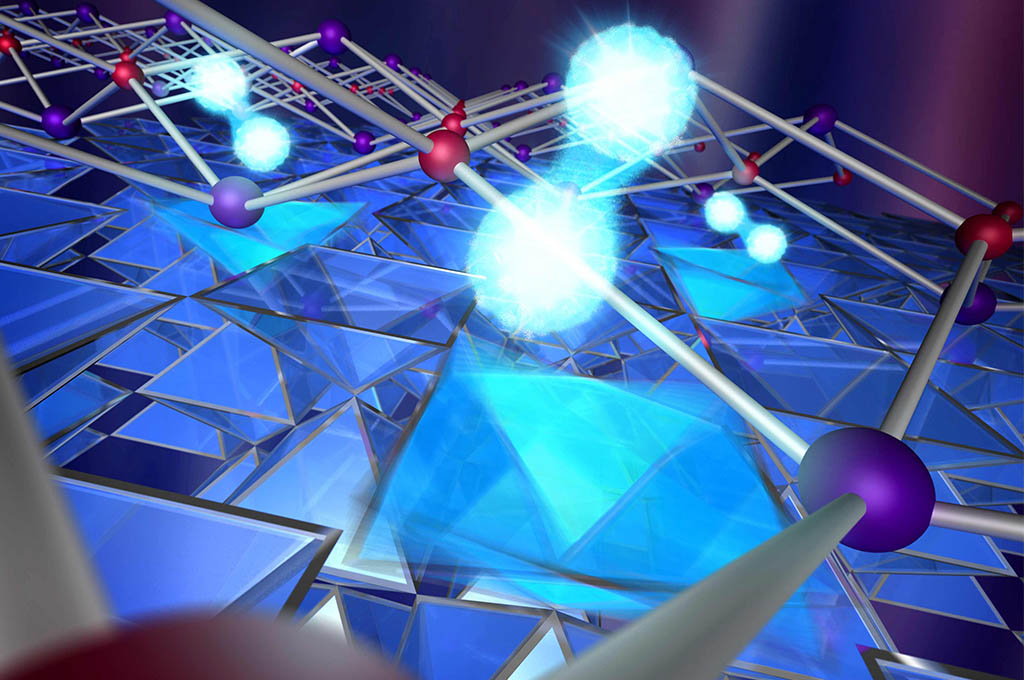
This program seeks to investigate the properties of strongly correlated materials by shining light onto them.
Applying Particle Accelerator Expertise to Qubit Control and Measurement
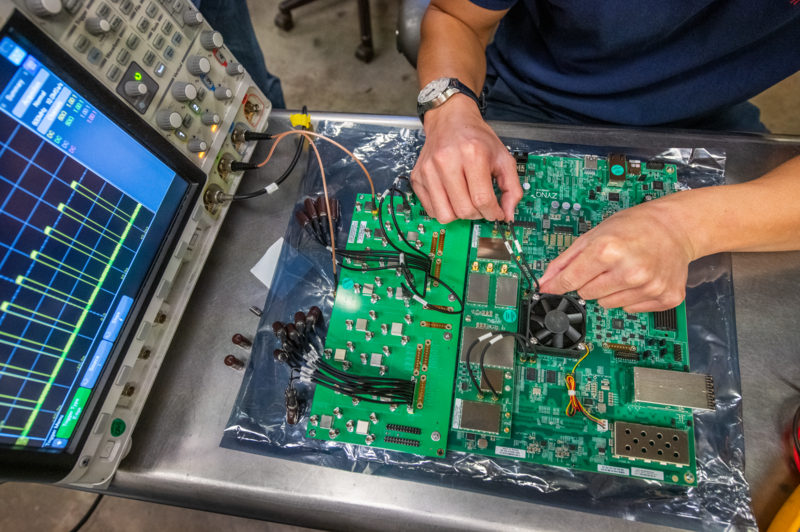
Harnessing the power and versatility of particle accelerator technology, researchers explore the properties of atoms and light to create and control qubits and develop hardware for applications ranging from quantum sensing and quantum computing to a future quantum internet.
We foster strong partnerships that guide innovations from the Lab toward the marketplace. See our quantum technologies.

"At the Molecular Foundry, we’re uncovering how tiny material defects affect the coherence of superconducting qubits. Understanding and controlling these interactions is key to building more stable quantum devices. And these same mechanisms may enable powerful new sensors for physics, biology, and chemistry."

“With this cutting-edge testbed we are asking and evaluating the basic science questions needed to guide the future development of quantum computers.”
"Berkeley Lab has the quantum and classical networking expertise and protocol design knowledge to work hand-in-hand with quantum computing experts, physicists, and device and system manufacturers. Our breadth of experience ensures that we can scale distributed quantum computing within a data center and across data centers through the deployment of an integrated quantum networking architecture."
The Department of Energy (DOE) has renewed funding for the Quantum Systems Accelerator (QSA), a DOE National Quantum Information Science Research Center led by Berkeley Lab in partnership with Sandia National Laboratories. QSA builds and demonstrates quantum technologies and computing prototypes to transform quantum information science into breakthroughs for society. These advances will enable scientists to use quantum computers to design new materials, discover new chemicals and reactions, and accelerate breakthroughs in energy, physics, biology, and chemistry.
At Berkeley Lab, scientists are rewriting the rules of computing, chemistry, materials science, and more through the promise of quantum information science. In this short video, Bert de Jong, Director of the Quantum Systems Accelerator, a DOE National Quantum Information Science Research Center, shares how quantum computers, sensors, and networks are poised to tackle our most complex energy challenges. Collaborating with hundreds of researchers across institutions pushing the limits of hardware and algorithms, quantum research at Berkeley Lab is forging the future of breakthroughs. This episode is the first in our Science Power:Up series, featuring experts across Berkeley Lab on research topics shaping society today, including artificial intelligence, microelectronics, quantum and more.
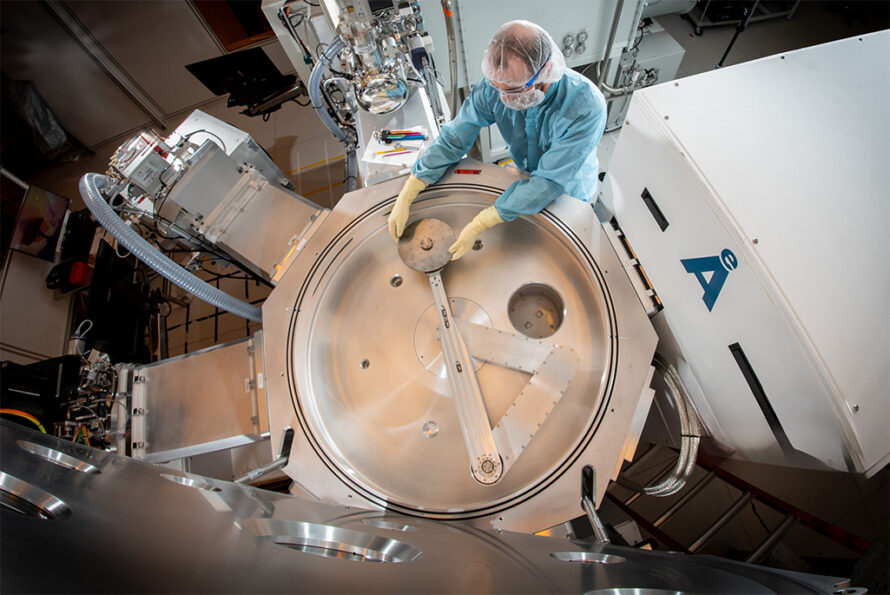
A ‘Robot Pizza Chef’ Serving Up Better Quantum Computers
How John Clarke’s Nobel Prize-Winning Research Paved the Way for Quantum Computing

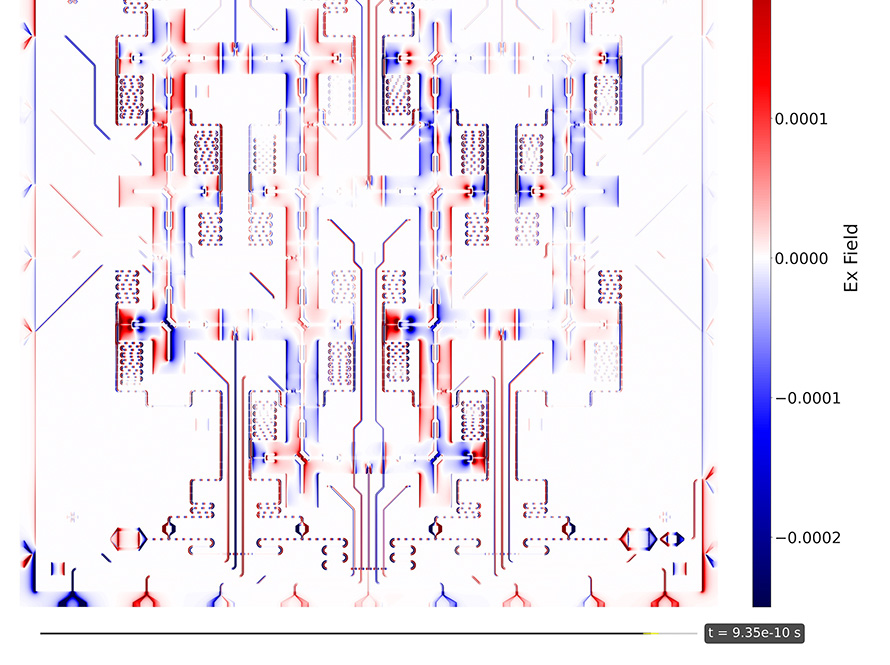
Unprecedented Perlmutter Simulation Details Quantum Chip
Frontier Computing Sciences
Materials and Chemical Sciences
Artificial Intelligence