

To facilitate abundant, affordable, and reliable energy at scale, Berkeley Lab is working with the power, building, industry, and transportation sectors to advance a modernized grid.

Load Flexibility

Working across the four largest sectors of the economy — power, buildings, industry, and transportation — our researchers conduct groundbreaking research on demand flexibility technologies to enable an affordable and reliable energy grid.
Reconductoring Economic & Financial Analysis Tool (REFA)

A first-of-its-kind tool designed to help utility transmission planners better understand the benefits of reconductoring upgrades using traditional or advanced conductors.
Power System Reliability Tools

Researchers are partnering with electric utilities across the country to create more accurate cost estimates for both short- and long-term power outages, building tools to guide investments in grid reliability.
Grid Impacts Analysis

Our researchers conduct innovative analysis on the impacts of efficiency, demand response, and demand flexibility on the distribution and bulk power systems.
FLEXLAB®
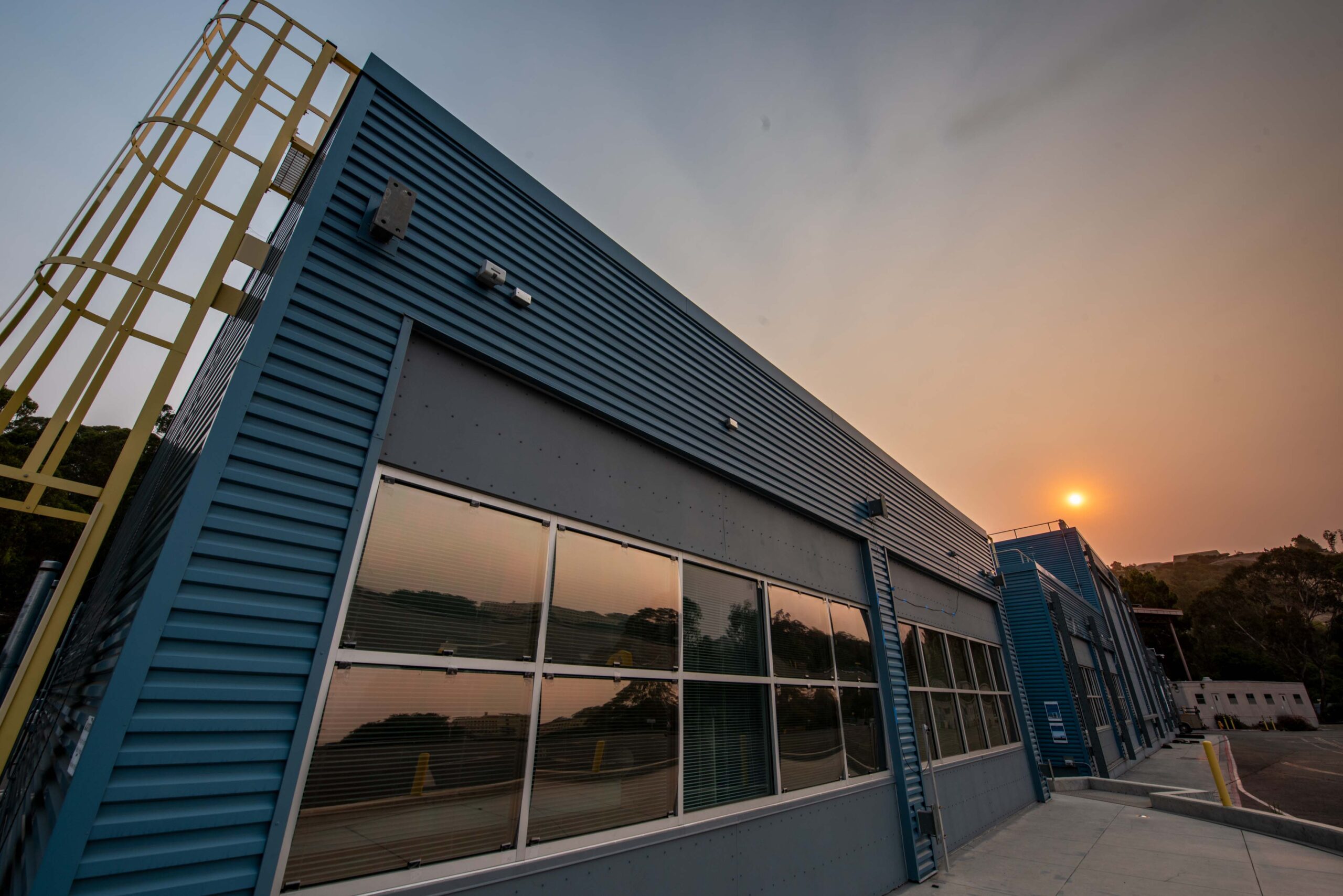
FLEXLAB and FLEXGRID enable users to test and evaluate various flexible demand- and supply-side technologies and applications under real-world conditions.
As a Senior Scientist her personal research interests include new building technologies, modeling, and analysis; commercial and residential building systems integration; grid interactive communications and integration with electric vehicles, energy storage, and photovoltaics.

Granderson focuses on energy management and information systems (EMIS), fault diagnostics and control, and advanced measurement and verification.

Pritoni conducts research in the area of advanced controls, data-driven modeling and data analytics applied to buildings. He leads a team of researchers working on optimization of building operation and building-to-grid interaction.
Improving U.S. Industrial Competitiveness and Productivity

Berkeley Lab Helps Utilities Understand Power Outage Costs

The Use of Price-based Demand Response as a Resource in Electricity System Planning

Manufacturing Innovation

Artificial Intelligence

Emerging Capabilities