Berkeley Lab has led discoveries in nuclear and particle physics since 1931, with the invention of the first modern particle accelerators. Today we continue to advance our understanding of the basic constituents of matter, from exotic nuclei to quarks, neutrinos, and the Higgs boson. We’re searching for new particles that make up dark matter and innovating at the leading edge of particle accelerator and detector design.

ATLAS program
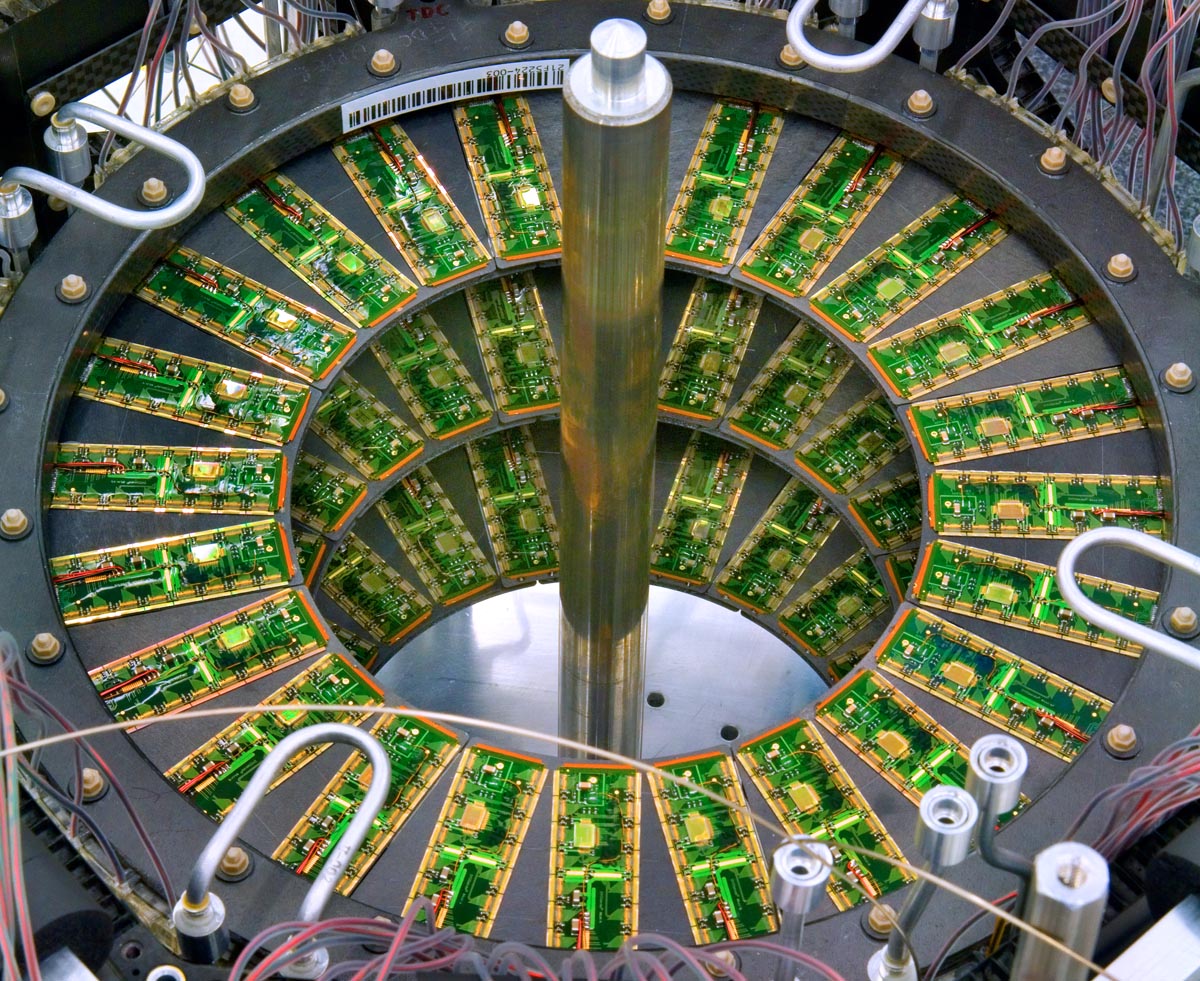
The ATLAS group engages in a variety of physics measurements and searches beyond the Standard Model.
Deep Underground Neutrino Experiment (DUNE)
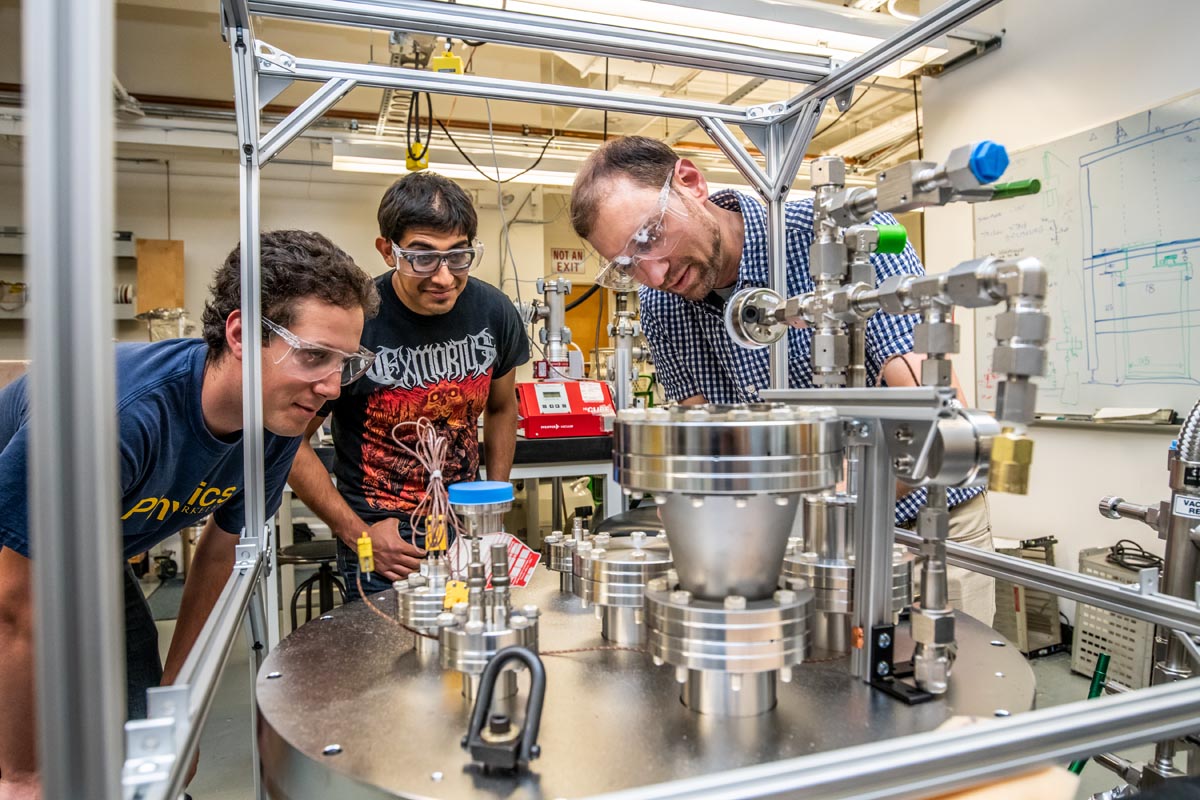
DUNE is a leading-edge, international experiment for neutrino science and proton decay studies.
Neutrinos and Nuclear Astrophysics program
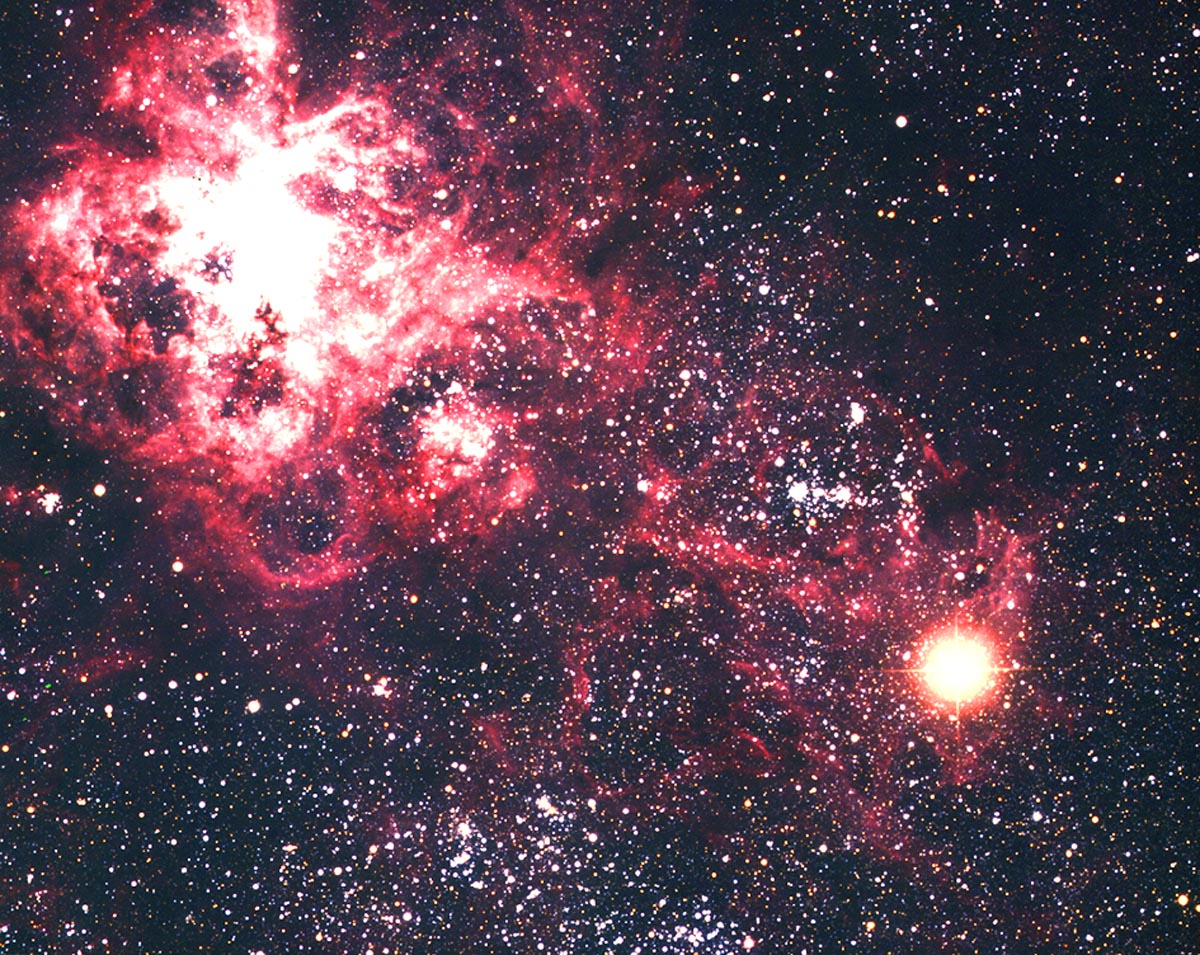
Berkeley Lab has roles in the neutrinoless double-beta decay experiments CUORE, MAJORANA, and SNO+; and in next-gen experiments.
Search for super heavy elements at the 88" Cyclotron
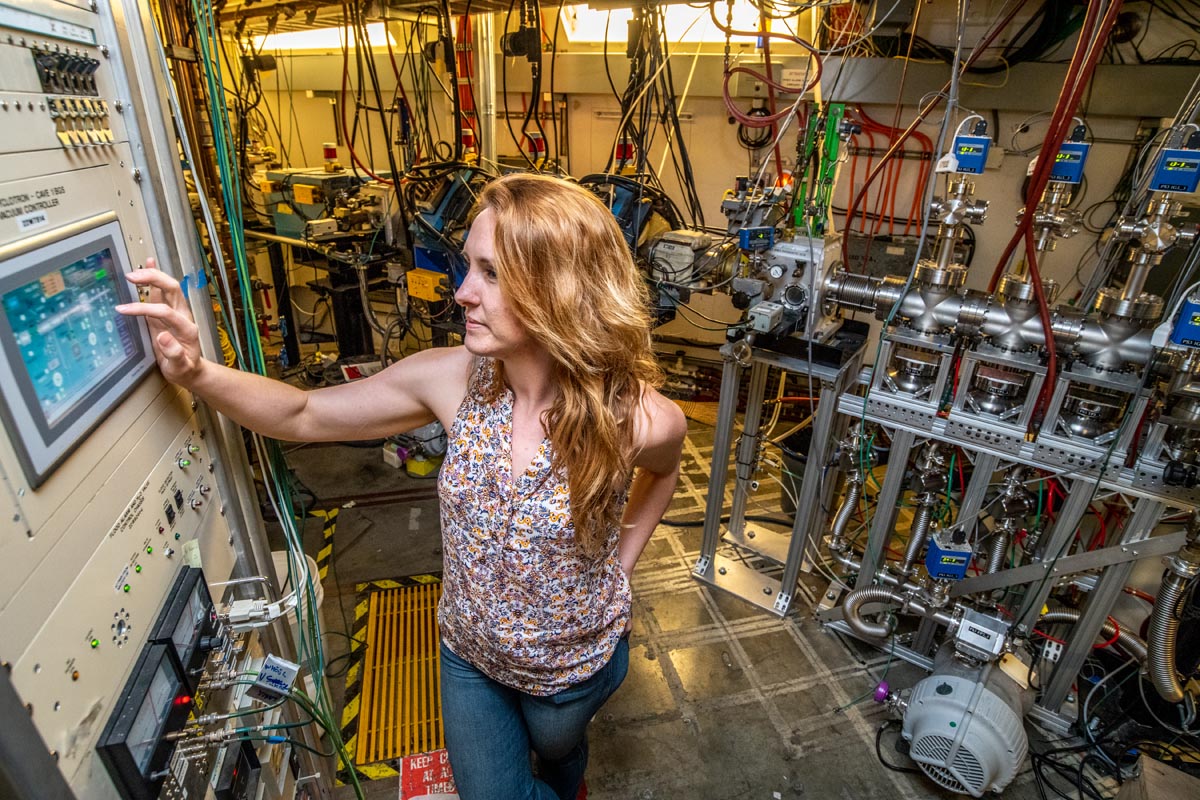
Exploring the limit of the island of stability, or how many more protons and neutrons can be packed into a nucleus.
Gamma-Ray Tracking Array (GRETA) at the Facility for Rare Isotope Beams (FRIB)
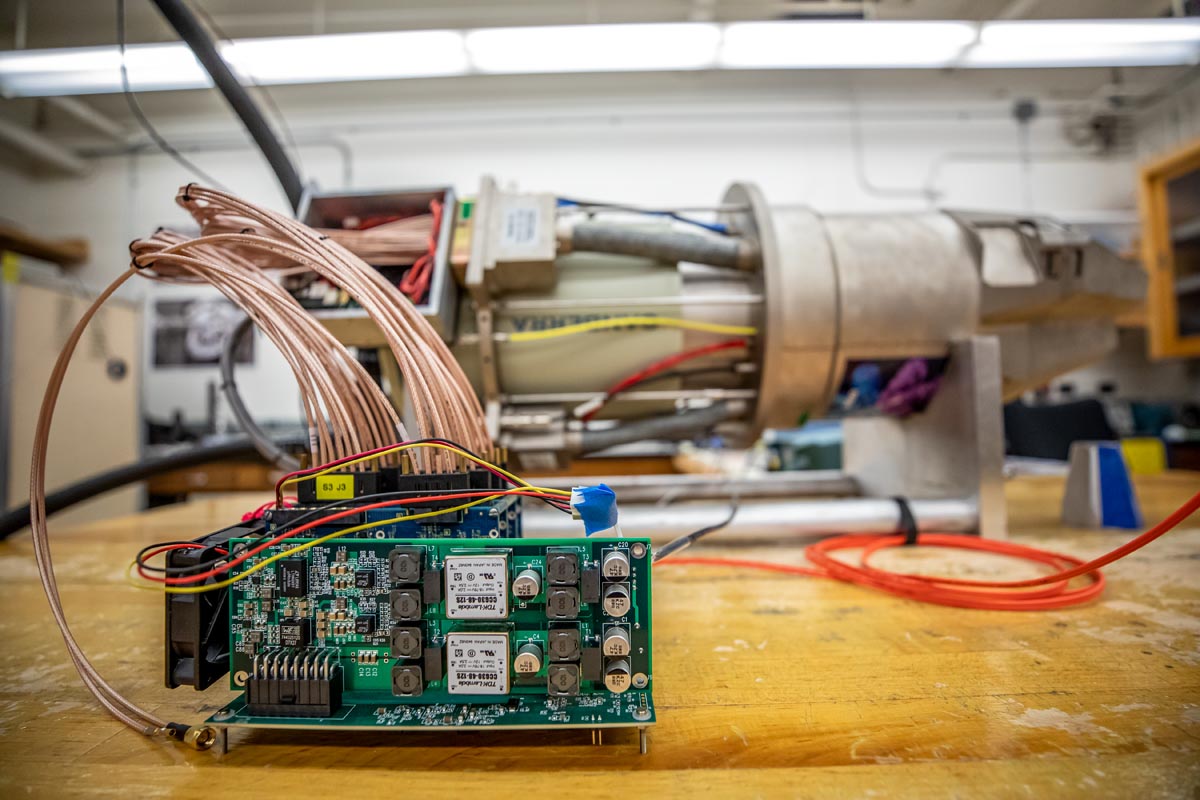
FRIB explores how the nuclear force binds nucleons into a nucleus. GRETA is a key instrument, built by Berkeley Lab, for FRIB.
Detectors engineering
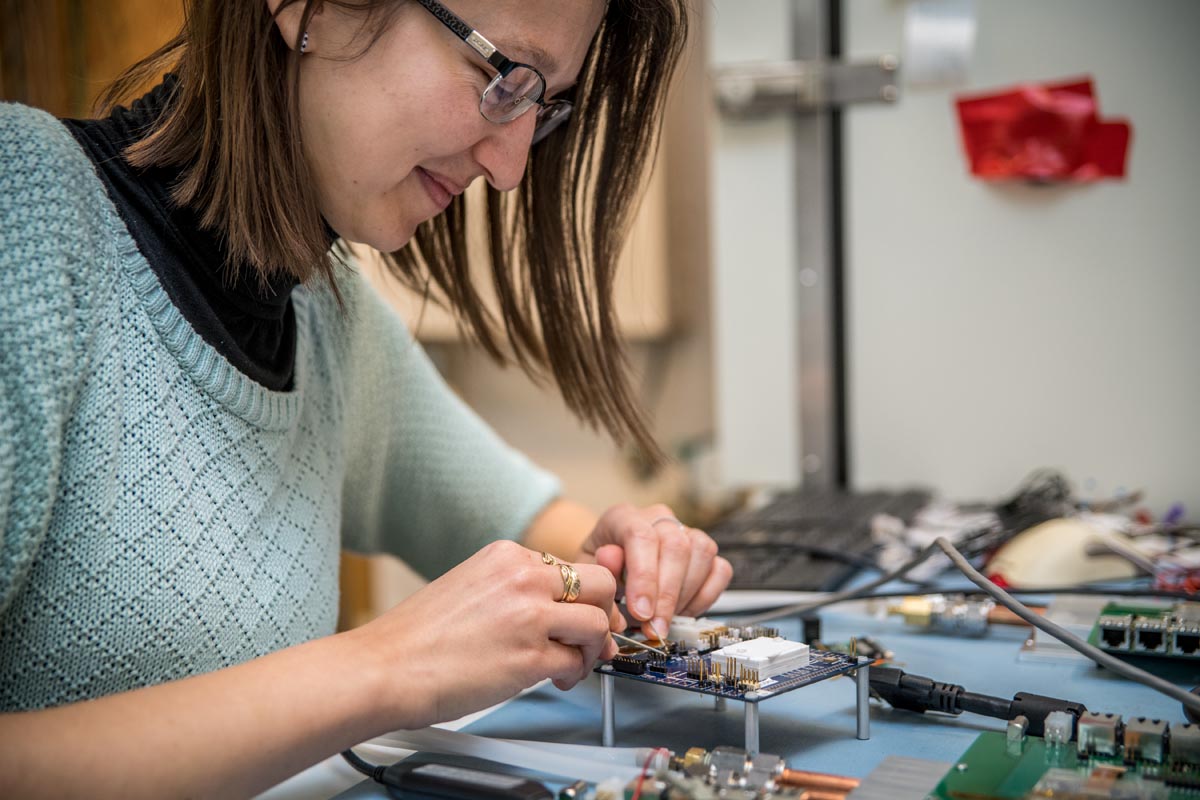
Building precision detectors for cutting-edge particle accelerators across the globe.
Accelerators for particle colliders
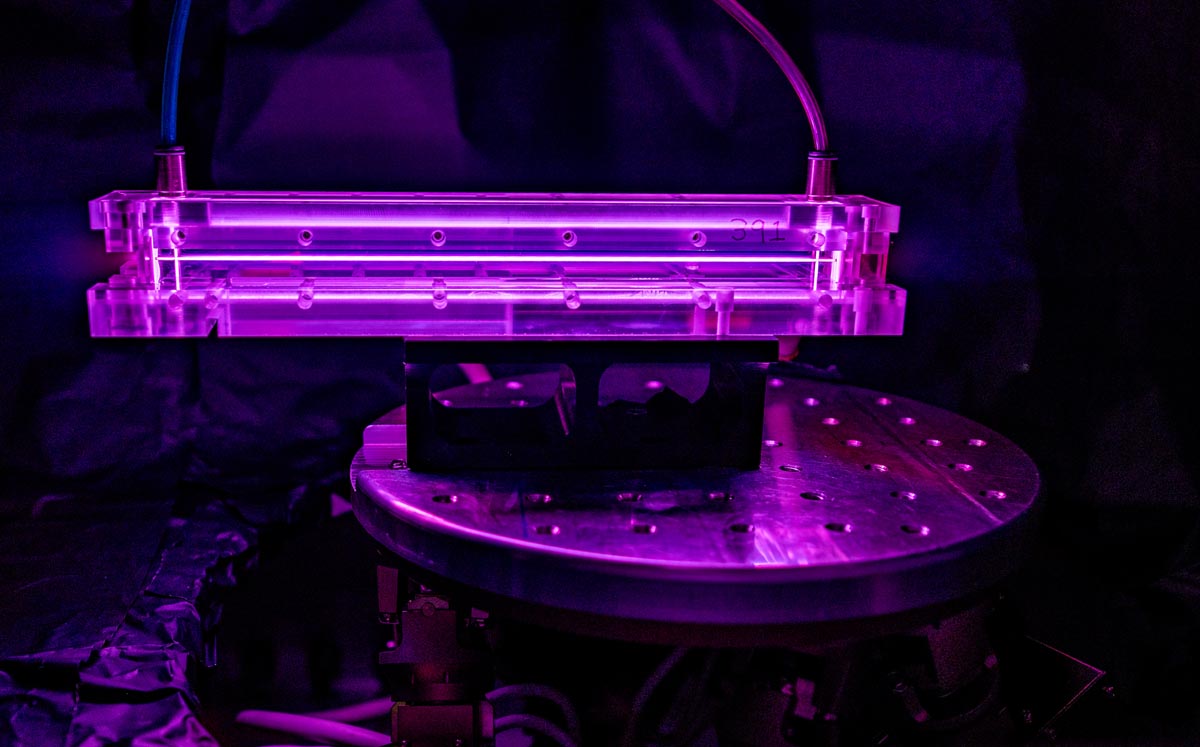
Accelerating subatomic particles to ever higher speeds to probe the essential structure of matter.
Particle Data Group

This international collaboration provides a comprehensive summary of particle physics.
Advanced Detector R&D and Microelectronics
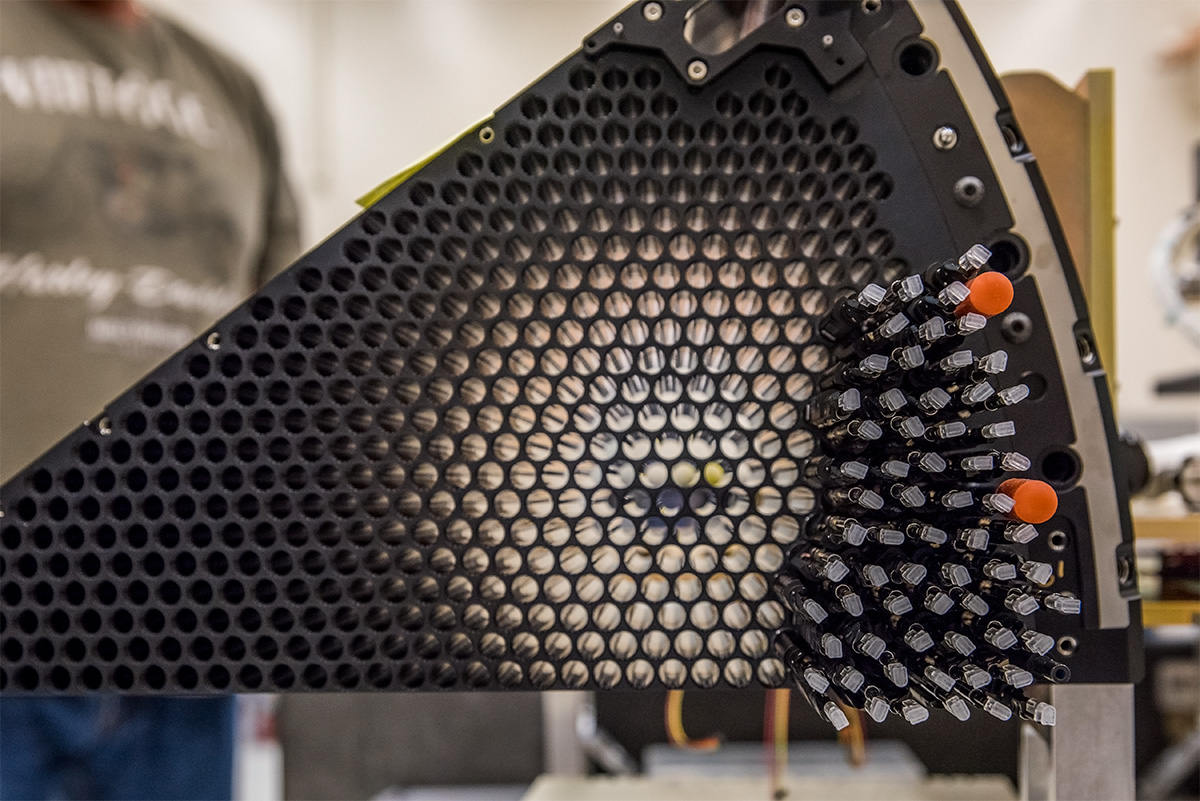
Berkeley Lab has a long history of innovation in detector instrumentation to drive discovery science in high-energy physics and cosmology. Once every decade or so, a major new innovation has emerged at Berkeley Lab to enable new scientific advances.
LUX-ZEPLIN (LZ) dark matter experiment
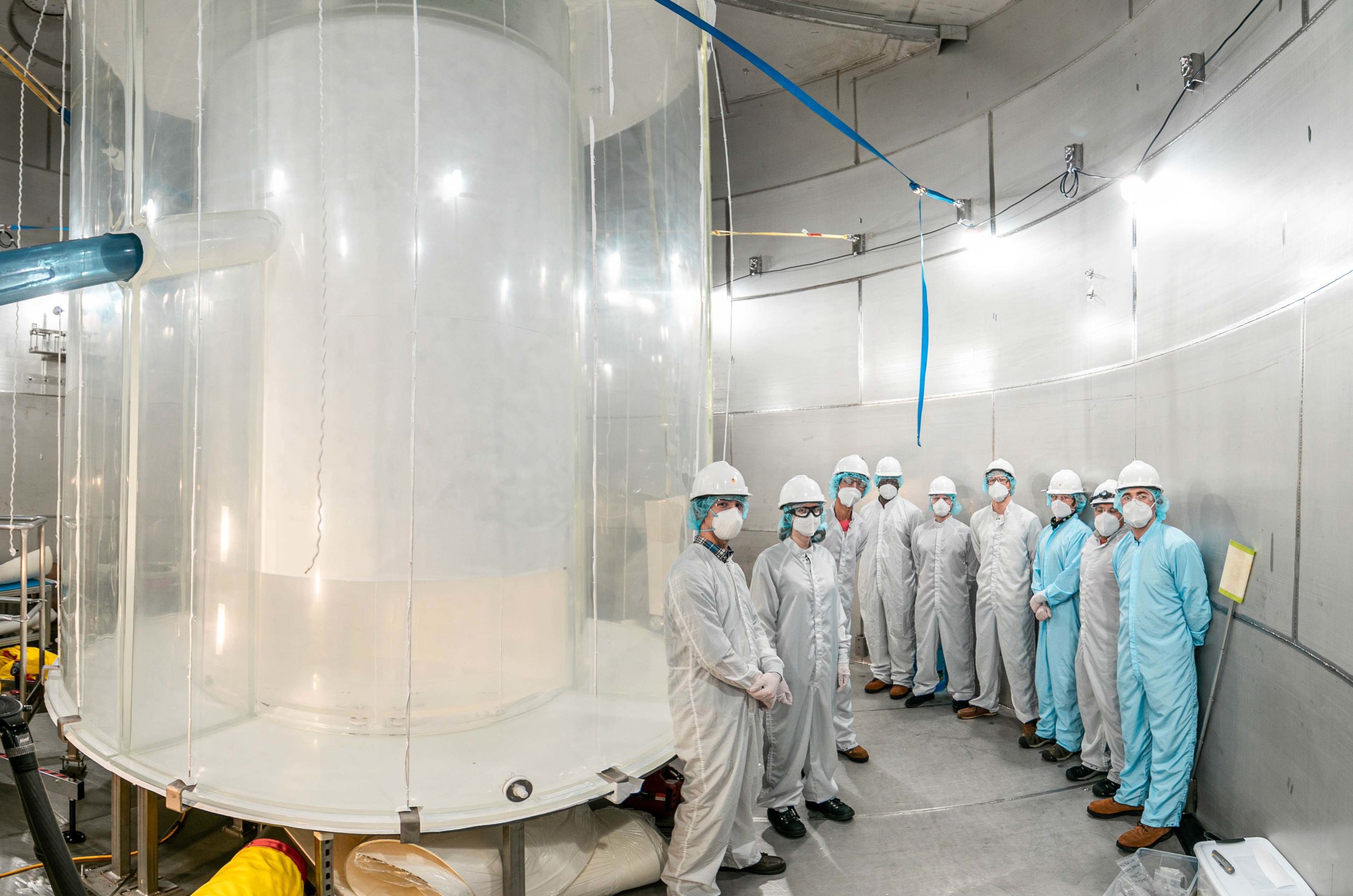
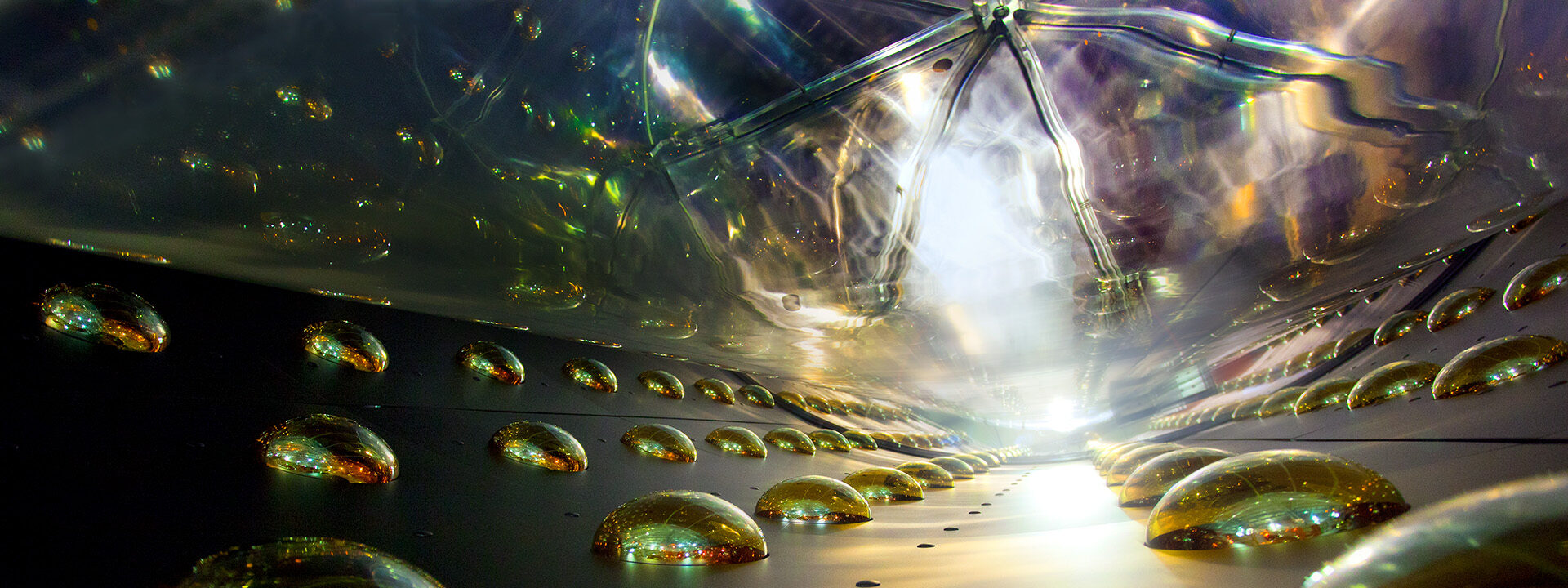
A mile underground, LZ will search for dark matter, which composes 85% of all matter in the universe. LZ is led by Berkeley Lab.
CUPID
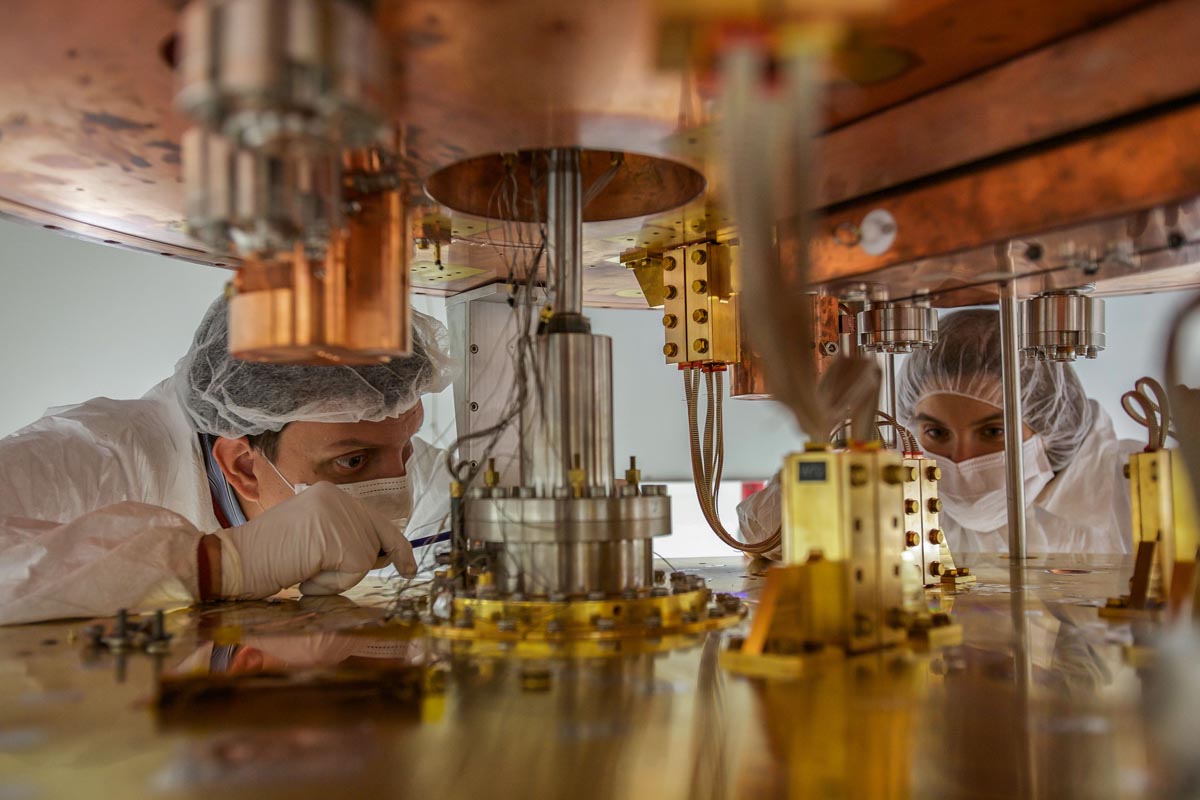
CUPID is an ultracold instrument searching for matter creation and studying fundamental neutrino properties.
Large Enriched Germanium Experiment for Neutrinoless ββ Decay (LEGEND)
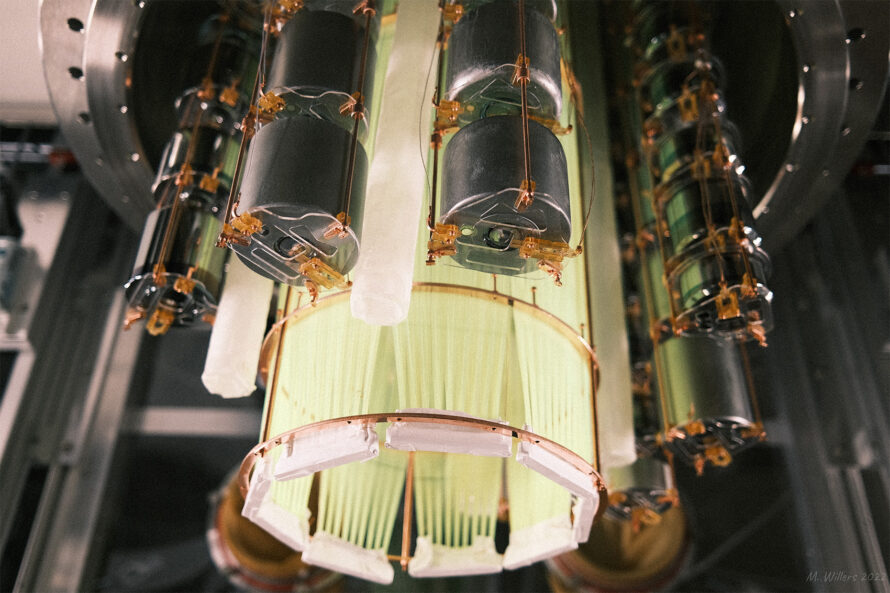
LEGEND studies whether a neutrino is its own antiparticle in an isotopically enriched germanium array.
Electron-Ion Collider (EIC)
The EIC will be a unique particle international accelerator facility that collides electrons with protons and nuclei to address fundamental questions of visible matter in the universe, including how the mass and spin of the nucleon arise and the emergent properties of the dense systems of gluons that are the carriers of the strong force.
A Large Ion Collider Experiment (ALICE)
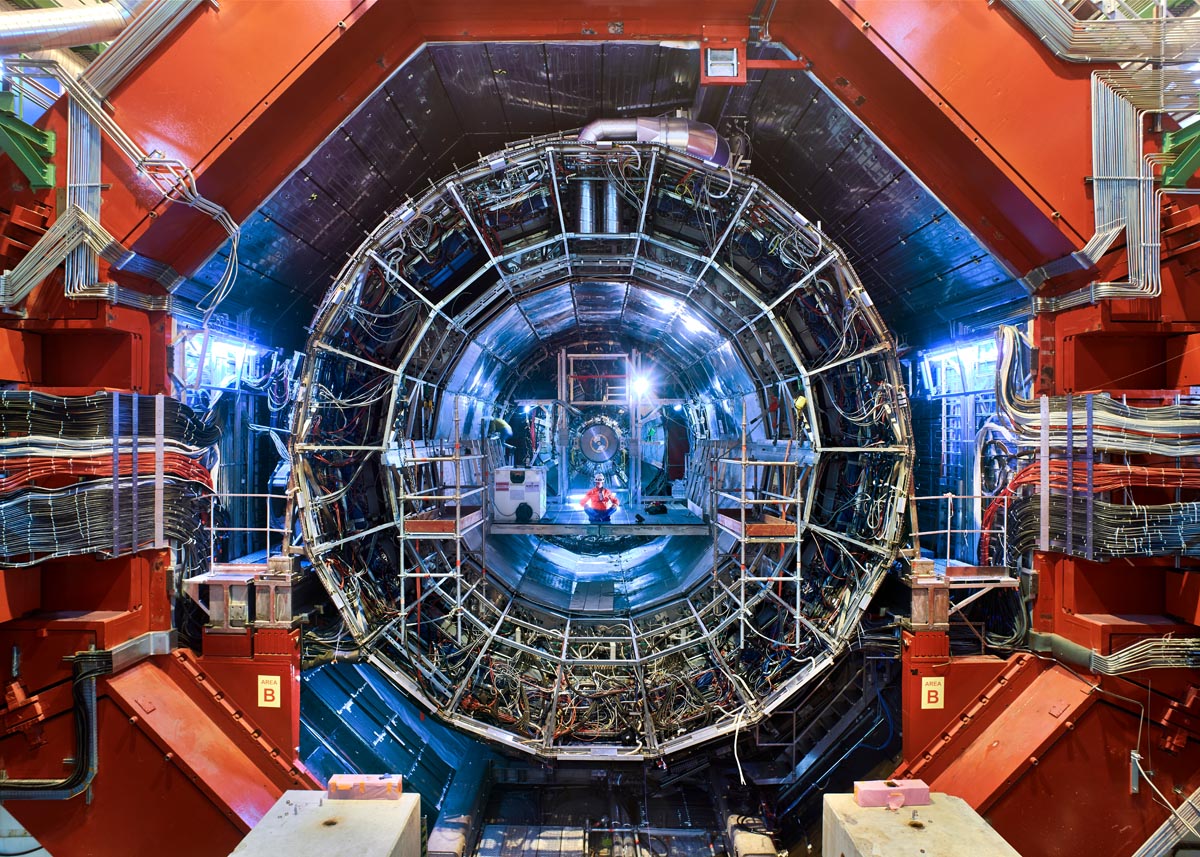
ALICE probes quark-gluon plasma’s properties through nuclei collisions at the Large Hadron Collider.
Berkeley Center for Theoretical Physics (BCTP)
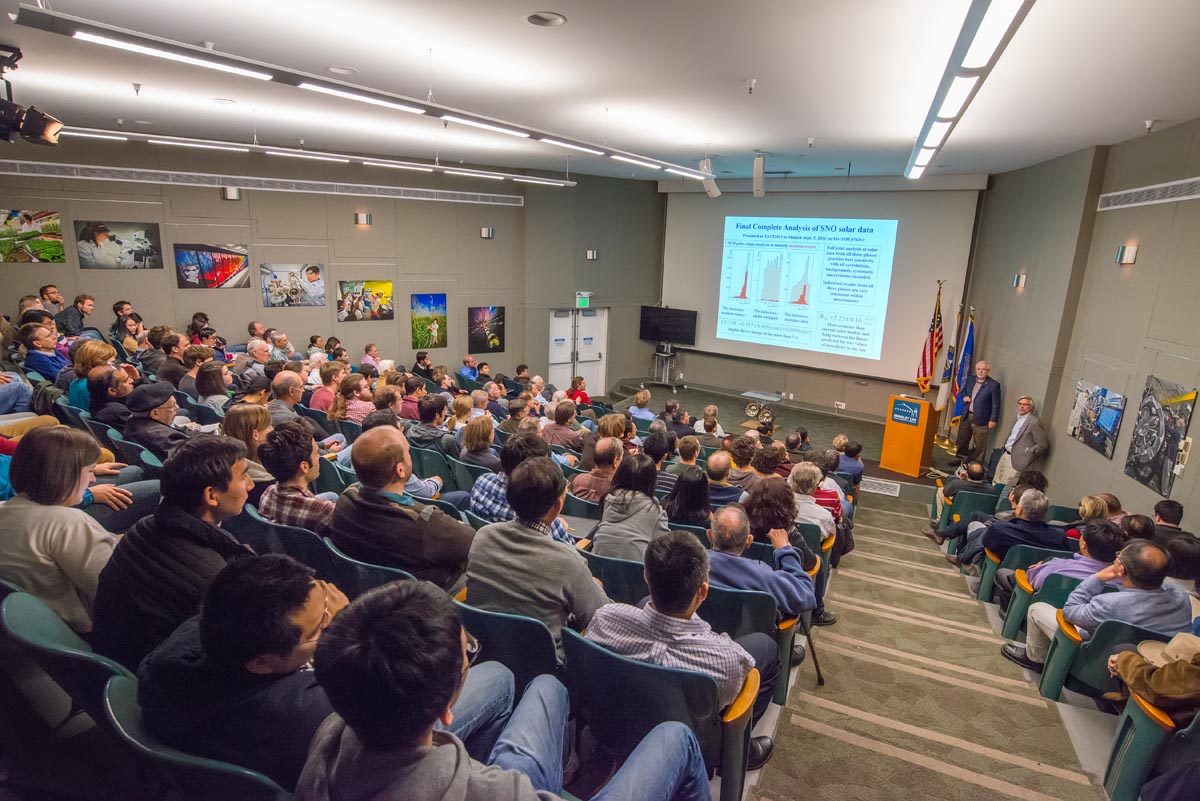
The BCTP is at the forefront of particle theory, string theory, and cosmology. Furthering our understanding of matter, spacetime, and the universe, or more specifically quantum gravity, dark matter, neutrinos, the Higgs boson, and even the multiverse, is at the heart of the BCTP’s work.
Muon-to-Electron-Conversion Experiment (Mu2e)
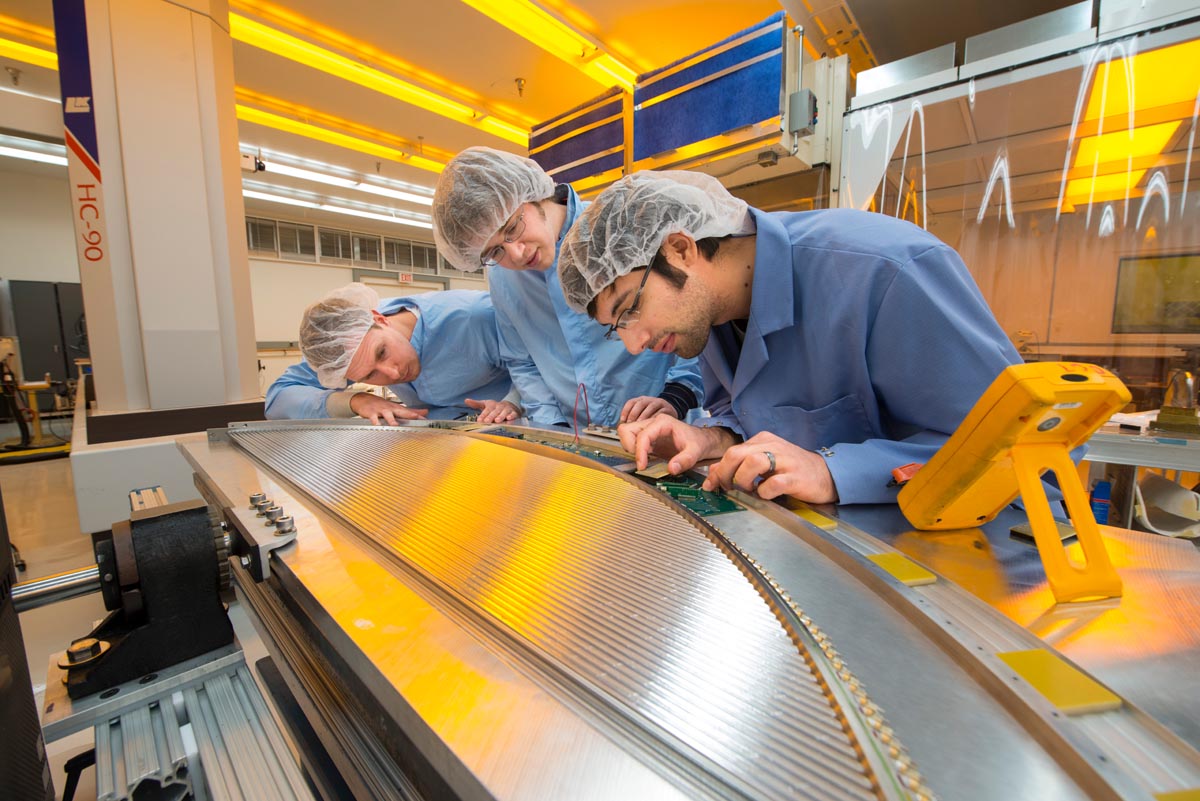
Mu2e will directly probe the Intensity Frontier as well as aid research on the energy and cosmic frontiers with precision measurements required to characterize the properties and interactions of new particles discovered at the Intensity Frontier.
“In 2022, we were the first laboratory measurement to limit the neutrino mass to below an electron-volt. This limit will continue to be the most stringent as we improve our analysis and accumulate more data to understand the physical world better in the foreseeable future.”

“Superheavy elements are fascinating because they are incredibly rare and unstable, often existing for only fractions of a second before decaying. Studying these elements helps us unravel the mysteries of the periodic table, pushing the boundaries of our understanding of the fundamental building blocks of the universe.”

"High energy particle colliders offer the unique ability to probe, with every collision, how nature works at its most fundamental level. We build state-of-the-art detectors to identify the products of these collisions and use advanced simulations and data-analysis techniques to build the science of tomorrow."
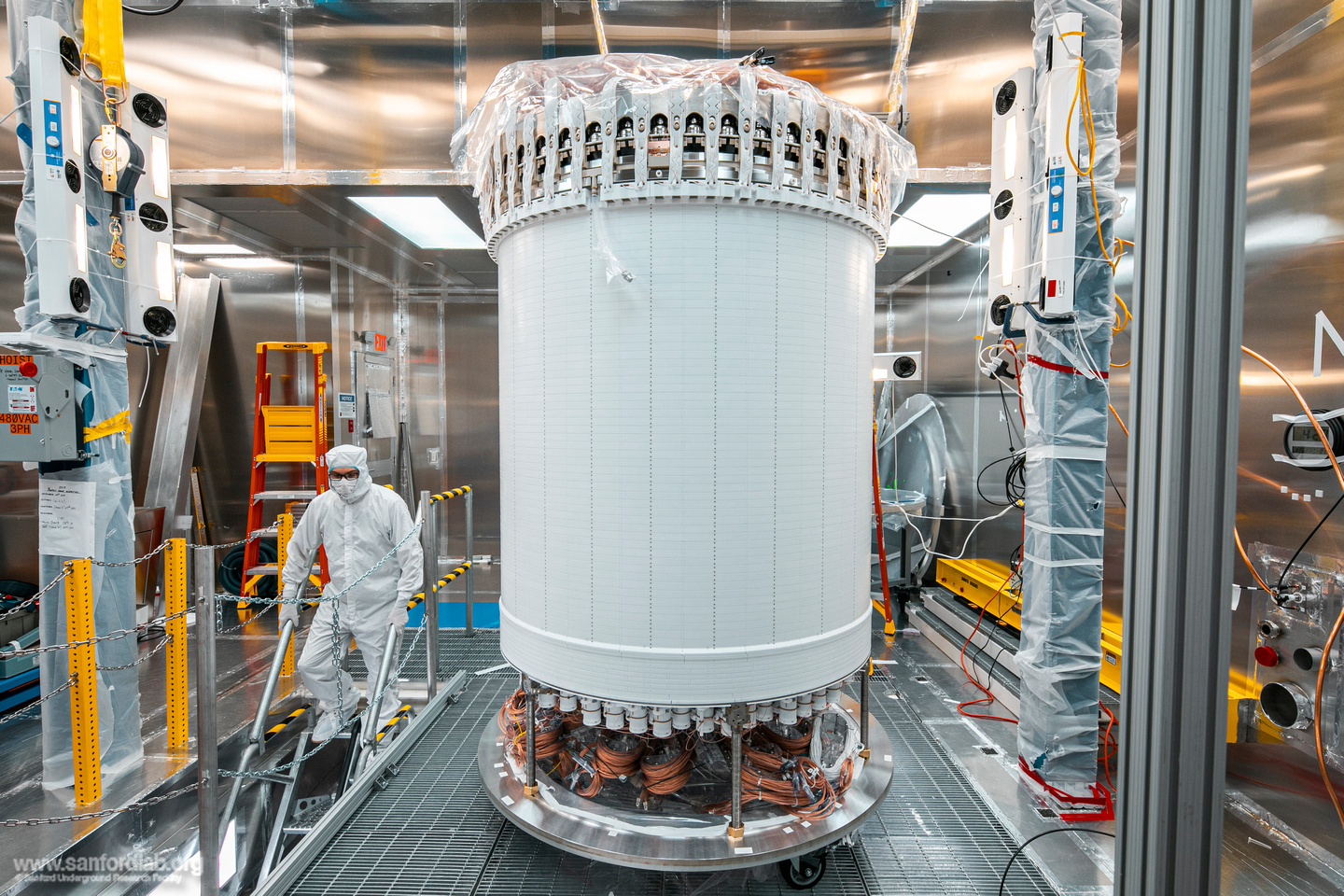
Dark matter is the mysterious substance that accounts for the vast majority of matter in our universe. LUX-ZEPLIN (LZ) is a world-leading dark matter detector and specializes in searching for WIMPs, or weakly interacting massive particles.
A new LZ study found one particle interaction that is difficult to explain with known background processes and could potentially have been caused by a WIMP. LZ continues to run to see if additional data strengthens or weakens the hint of a dark matter interaction.
Berkeley Lab Project Scientist Jennifer Pore talks about how research in superheavy elements and isotopes can help us better understand the universe.
GRETA Comes Online for a New Era of Nuclear Science
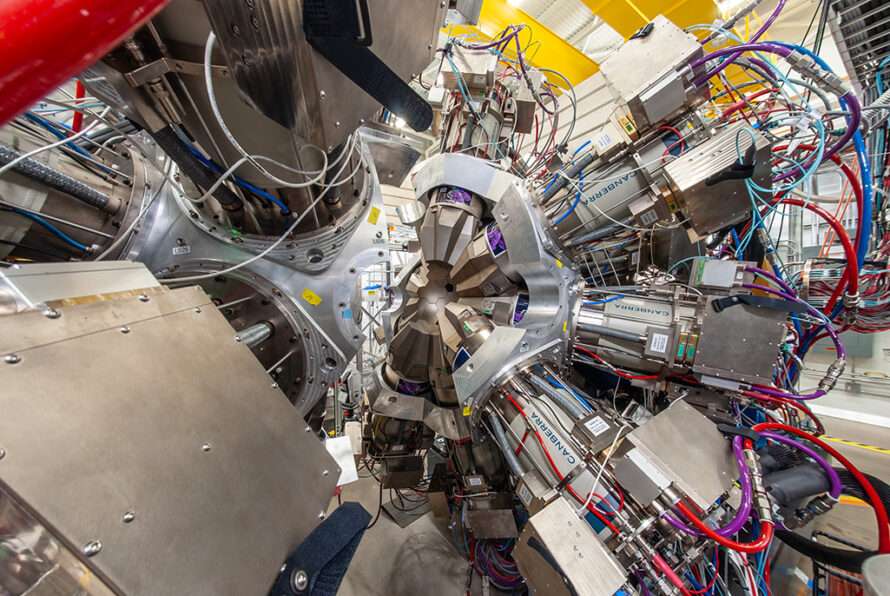
When It Comes to Fusion, Materials Matter
Solving a Mystery in Dark Matter Detectors Could Improve Quantum Computers
Cosmic Frontiers

Accelerator Technologies
Frontier Computing Sciences