
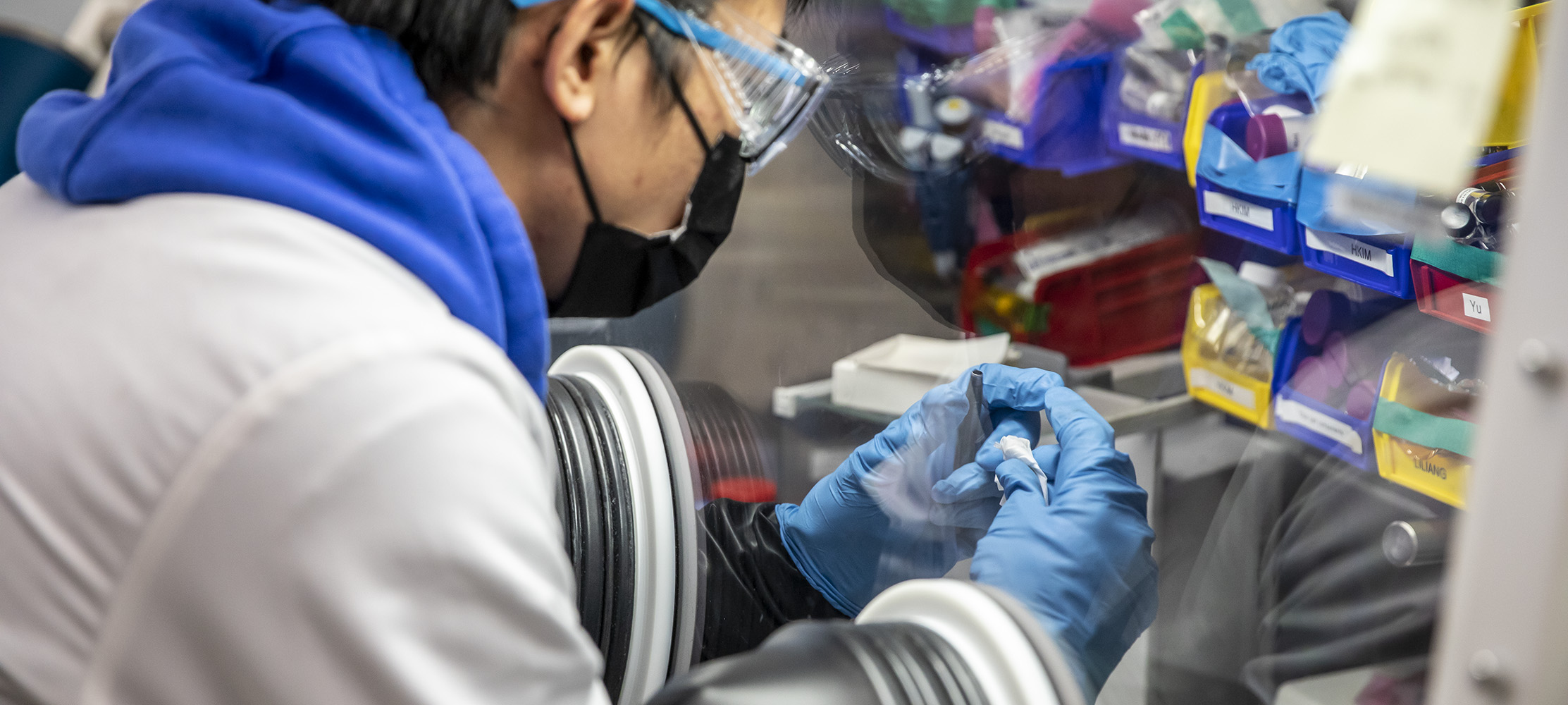
Building on its history of scientific leadership in energy storage research, Berkeley Lab’s Energy Storage Center works with national lab, academic, and industry partners to enable affordable and reliable energy, and advance solutions for buildings and the evolving grid, transportation, and industrial sectors.

Electrochemical Energy Storage
Materials discovery, synthesis, characterization, and diagnostics to develop next-generation batteries (including solid state) and flow batteries.
Chemical Energy Storage
Hydrogen and storage of hydrogen.
Thermal Energy Storage
Exploring low- and high-temperature materials and systems involving the subsurface, buildings, and the manufacturing sector.
Mechanical Energy Storage
Compressed air storage in porous media.
Systems, Analysis, and Markets
Researching policy and market factors that affect widespread energy storage adoption.
Molecular Foundry
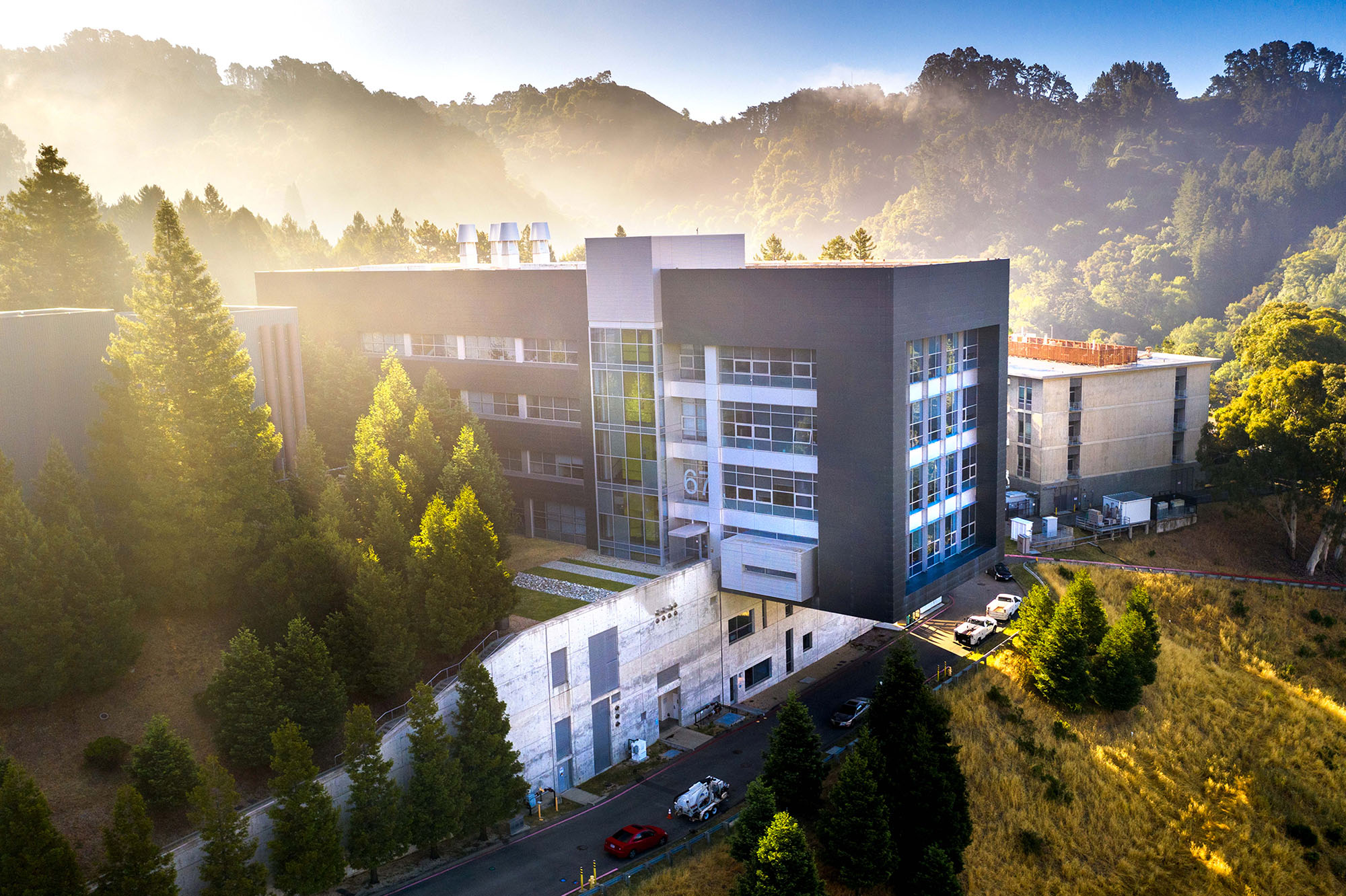
The Molecular Foundry is a DOE-funded nanoscience research facility that provides scientists from around the world access to world-class expertise and instrumentation in a collaborative, multidisciplinary environment.
FLEXLAB®
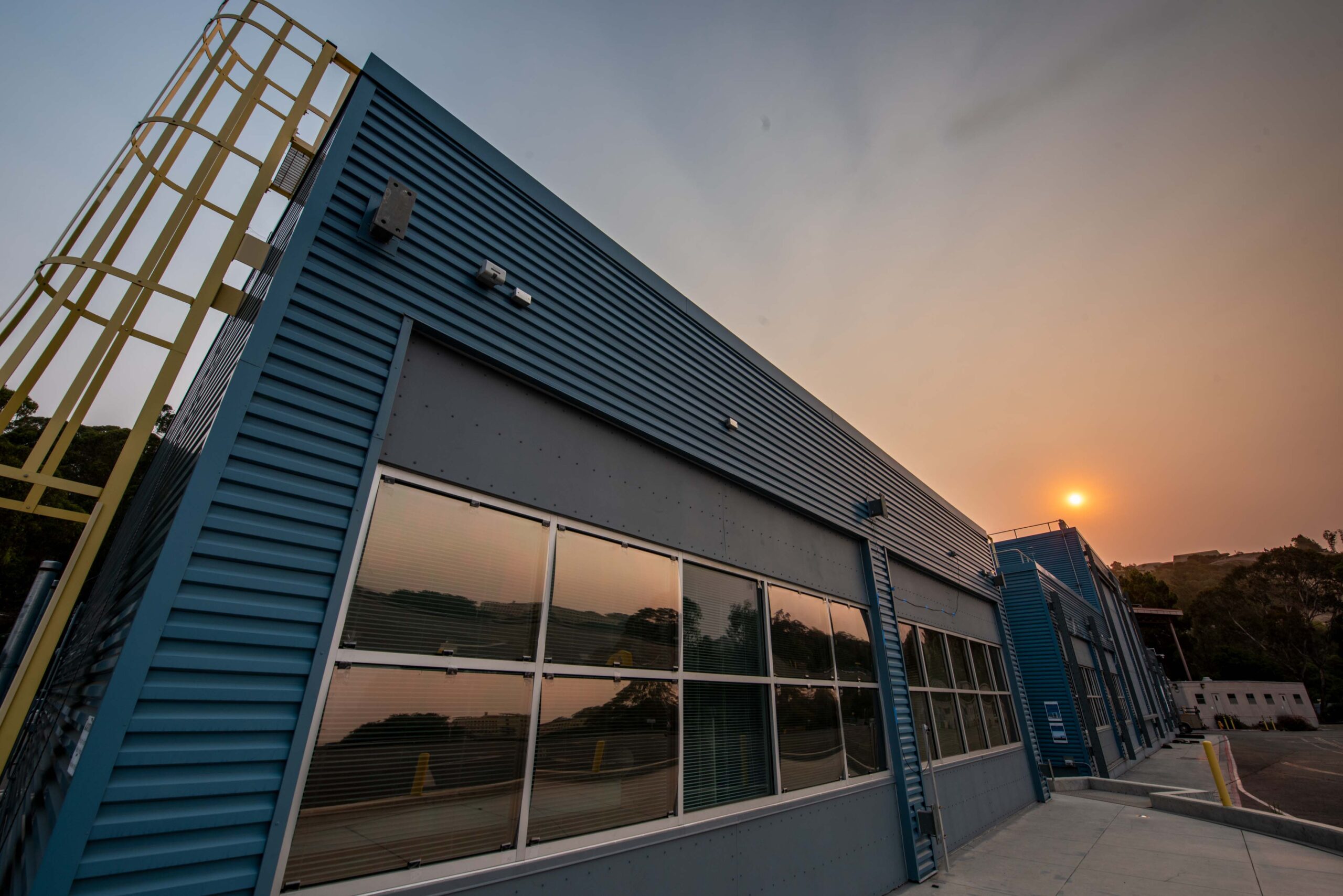
The world’s most advanced integrated building and grid technologies testbed.
Advanced Light Source
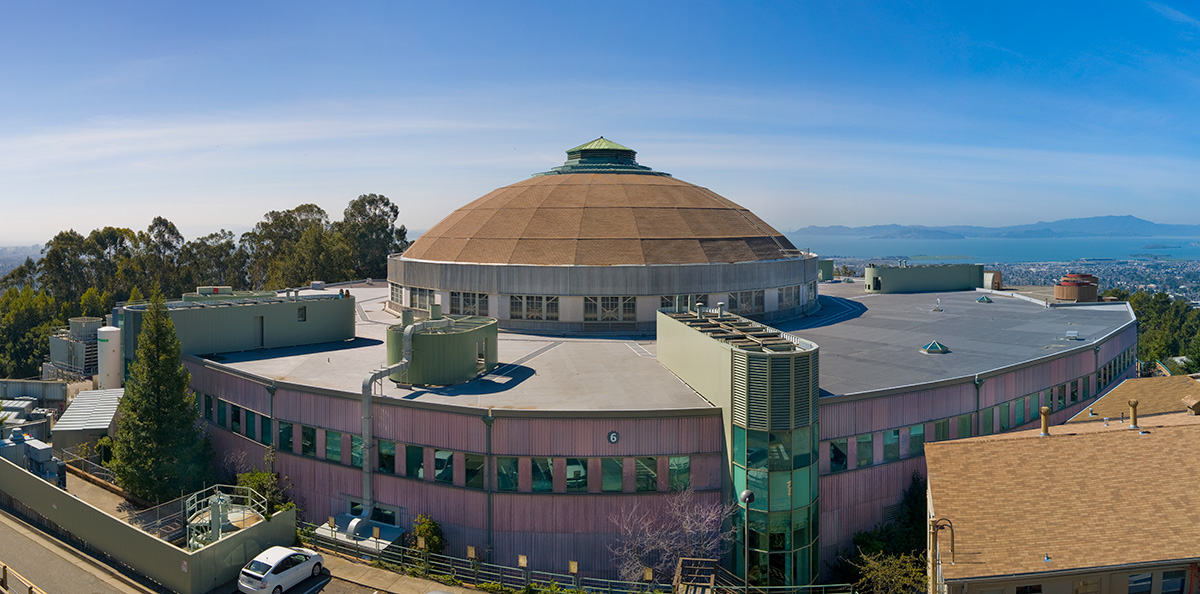
The ALS is a specialized particle accelerator, known as a synchrotron light source, that generates bright beams of X-ray, infrared, and extreme ultraviolet light useful for research. It supports the research of 2,000 users annually.
Lithium Recovery

Guiding research and development into lithium extraction technologies.
Energy Storage Research Center (ESRA)

Paving the way for energy storage and next-generation battery discovery that will shape the future of power.
Battery Research Group

Developing innovative and fundamentally sound solutions to overcome the limitations of high energy density batteries.
Thermal Energy Group
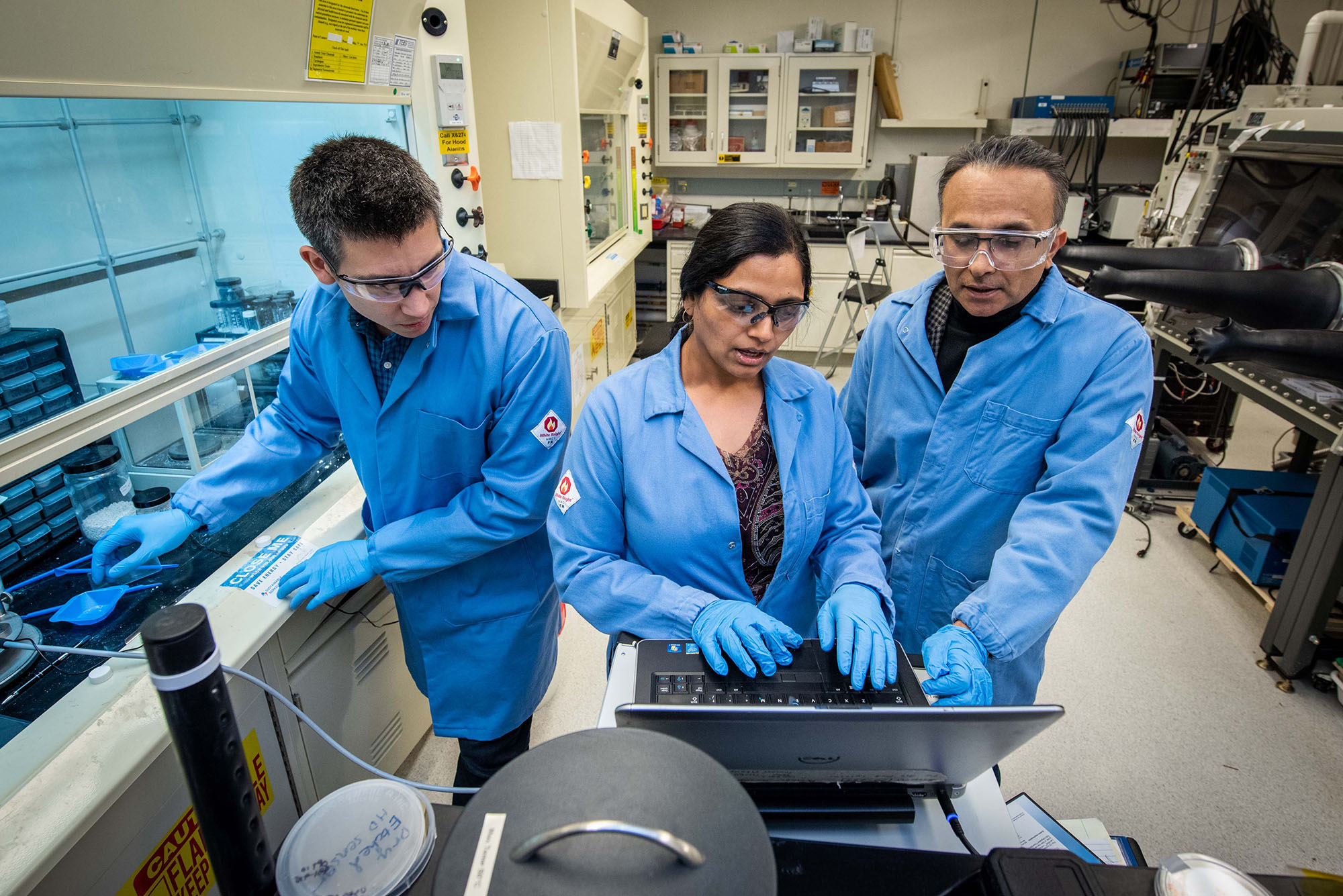
A science-to-systems lab conducting research in manipulating matter at nanoscale dimensions to improve a multitude of thermal, solar, and electrochemical energy devices, including batteries.
The Materials Project
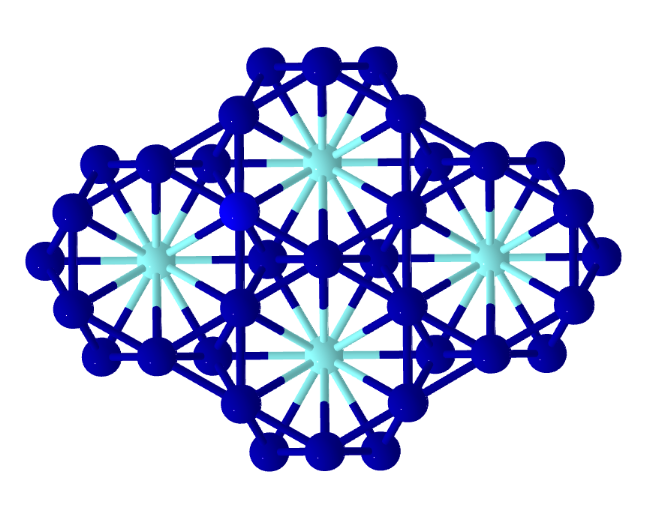
Harnessing the power of supercomputing and structural methods, the Materials Project provides open, web-based access to information on known and predicted materials as well as powerful analysis tools to inspire and design novel materials.
Advanced Battery Materials Research (BMR)

Pursuing seven research tasks aimed at the development of advanced batteries for Electric Vehicles.
Energy Conversion Group
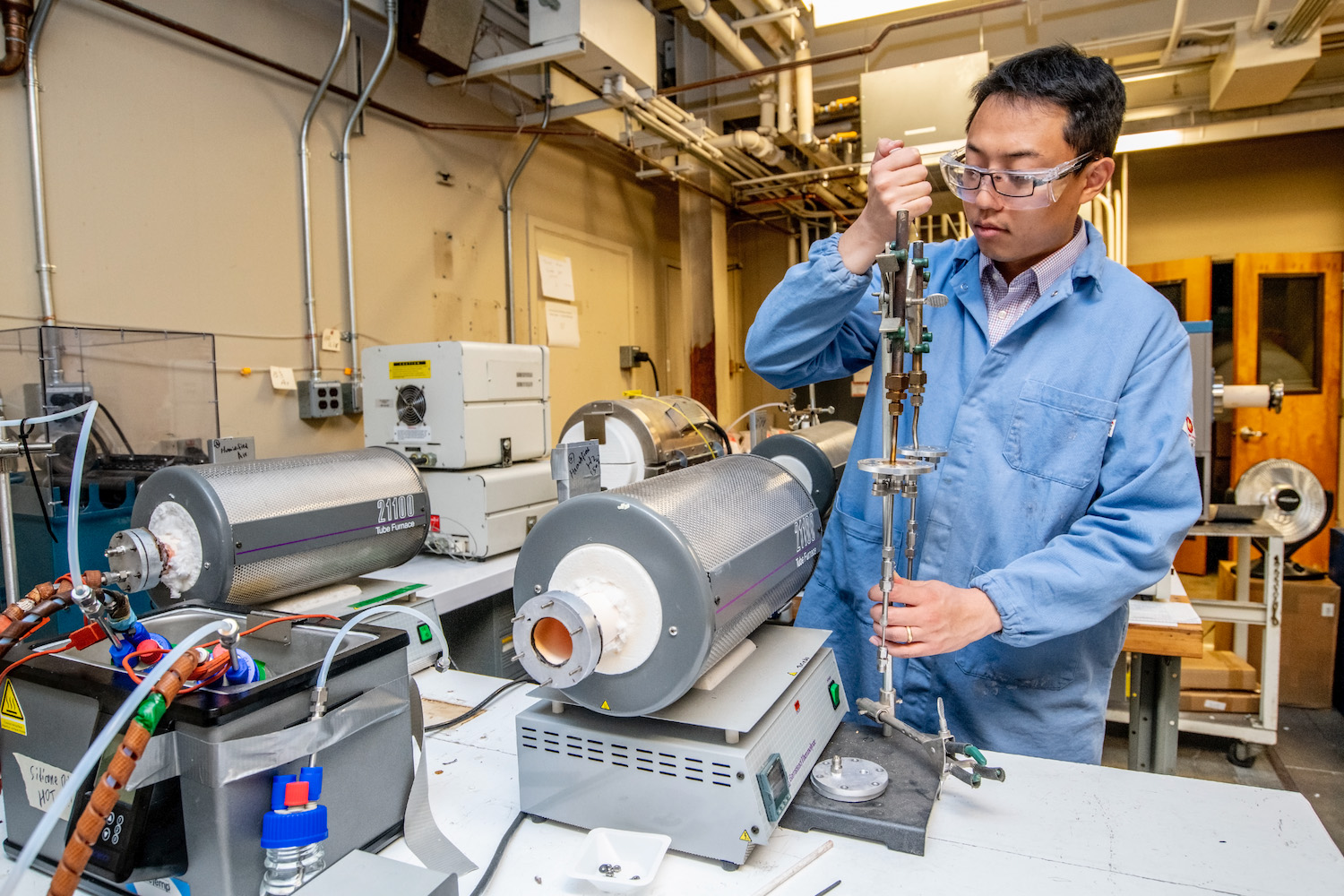
A multidisciplinary team focused on a diverse portfolio of advanced energy conversion technologies with the goal of providing the tools necessary to create and sustain a reliable energy system.
Liquid Sunlight Alliance (LiSA)

Advancing new systems to efficiently generate liquid fuels from sunlight, water, CO2, and nitrogen.
Million Mile Fuel Cell Truck (M2FCT)

Advancing the efficiency, power, and durability of hydrogen fuel cell engines for heavy-duty vehicles to enable a fleet of reliable and durable long-haul trucks.
Li-Bridge

Li-Bridge is focused on bringing key stakeholders together to improve the lithium battery supply chain and marks the first collaboration of its kind in the U.S. battery industry.

Liu is a Senior Scientist and Group Leader of the Applied Energy Materials Group at Berkeley Lab. With over 20 years of experience in developing materials and system engineering for electrical energy storage, Liu’s research integrates synthetic chemistry, composite engineering, and electrochemistry to address interdisciplinary challenges in energy generation, storage, and usage.

McCloskey's laboratory explores numerous applications of electrochemistry to energy sustainability, conversion, and storage. Current projects focus on the characterization and development of solid-state batteries, metal-air batteries, Li-ion battery fast charging, low-temperature Li-ion electrolytes, and earth abundant high energy Li-ion cathode materials.
Ceder is the Samsung Distinguished Professor of Engineering at UC Berkeley and a Senior Faculty Scientist at LBNL where he develops novel materials for energy storage. He has worked over twenty-five years in Li-ion technology, and more recently also on alternative energy storage approaches, such as solid-state batteries, Na-ion and Mg-ion devices.
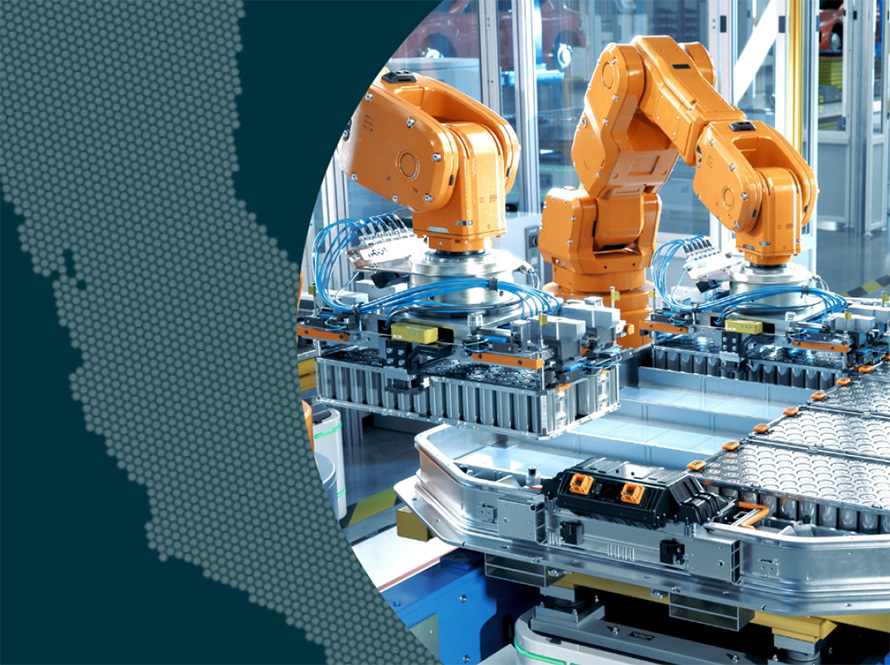
Berkeley Lab scientists are working to reshore next generation battery manufacturing. Recognizing the critical role of innovation in the battery supply chain and the need to invest in regional battery manufacturing, Berkeley Lab scientists are focused on developing material processing and battery fabrication pilot lines, to serve the needs of industry, communities and the regional workforce.
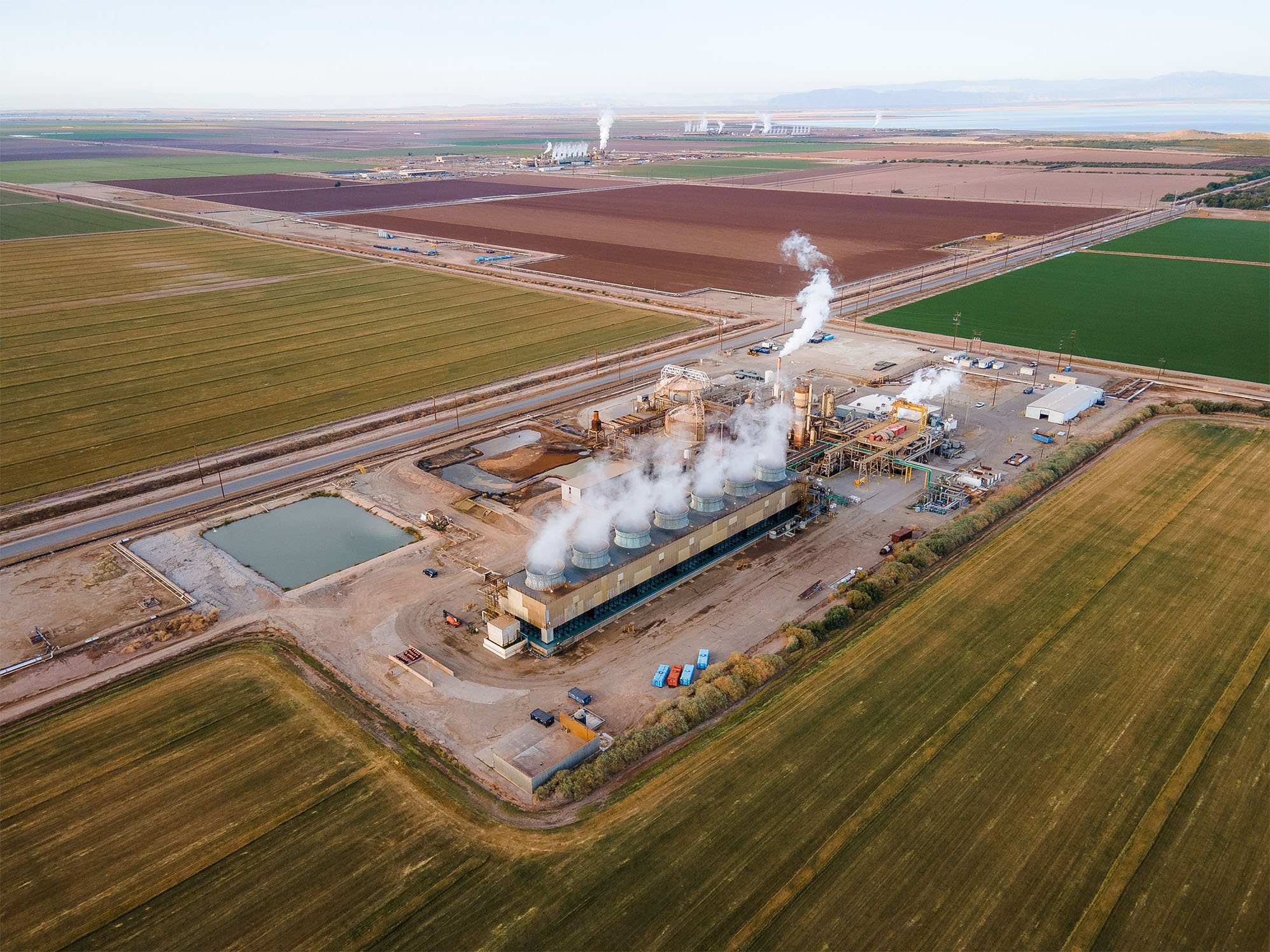
This StoryMap is an immersive multimedia backgrounder and summary of geothermal lithium extraction around the Salton Sea. The piece uses rich photos and illustrations to tell the story of how geothermal power works, why lithium is important and what makes extracting it possible there, and how a lithium extraction industry might fit in with the social and environmental context of the region.
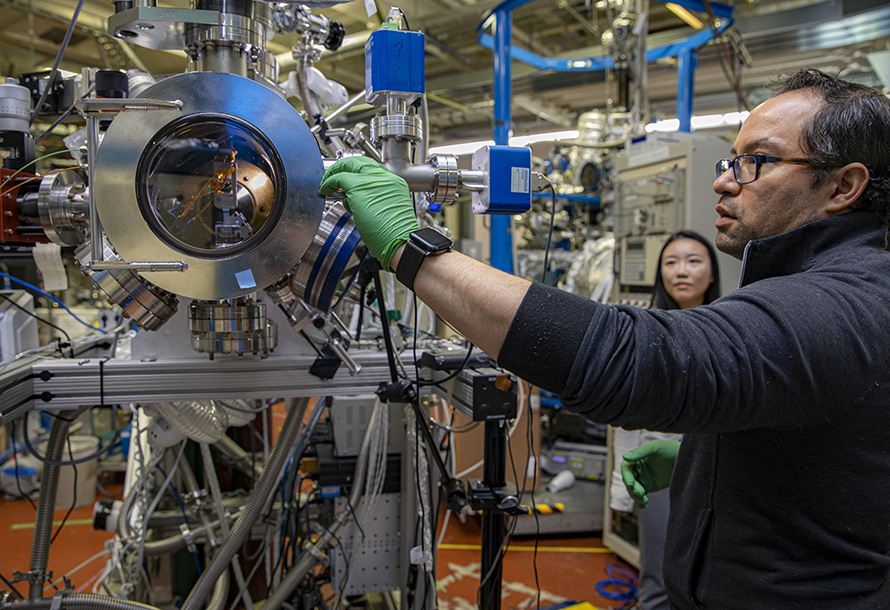
In this 9-minute audio interview, Ethan Crumlin, Deputy for Science in the Chemical Sciences Division and a staff scientist at the Advanced Light Source, explains how the ALS is transforming research on batteries and energy materials.
Manganese Cathodes Could Boost Lithium-ion Batteries

New National Energy Storage Hub Will Enable Transformative Battery Advancements
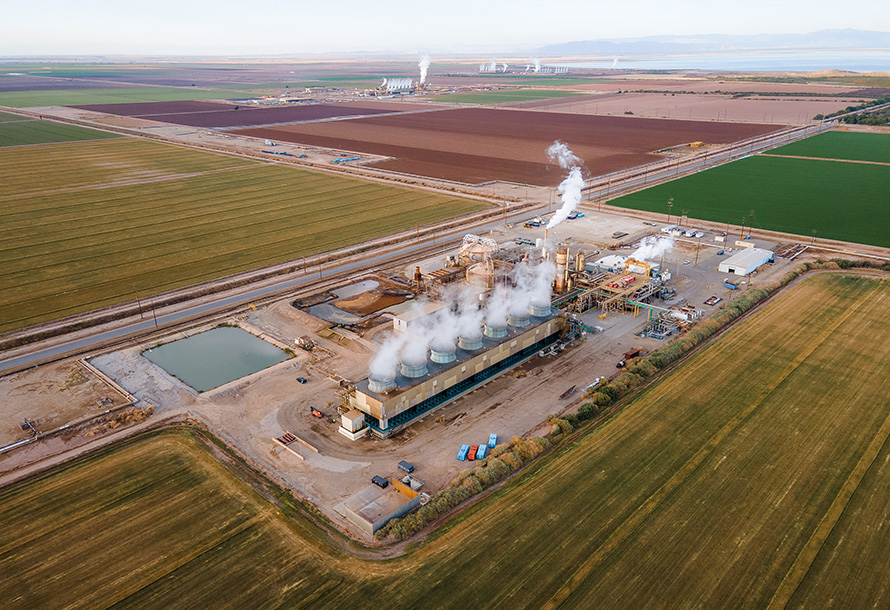
Berkeley Lab Led Analysis Confirms California’s Salton Sea Region to Be a Rich Domestic Lithium Resource
Grid Reliability

Materials and Chemical Science
Artificial Intelligence