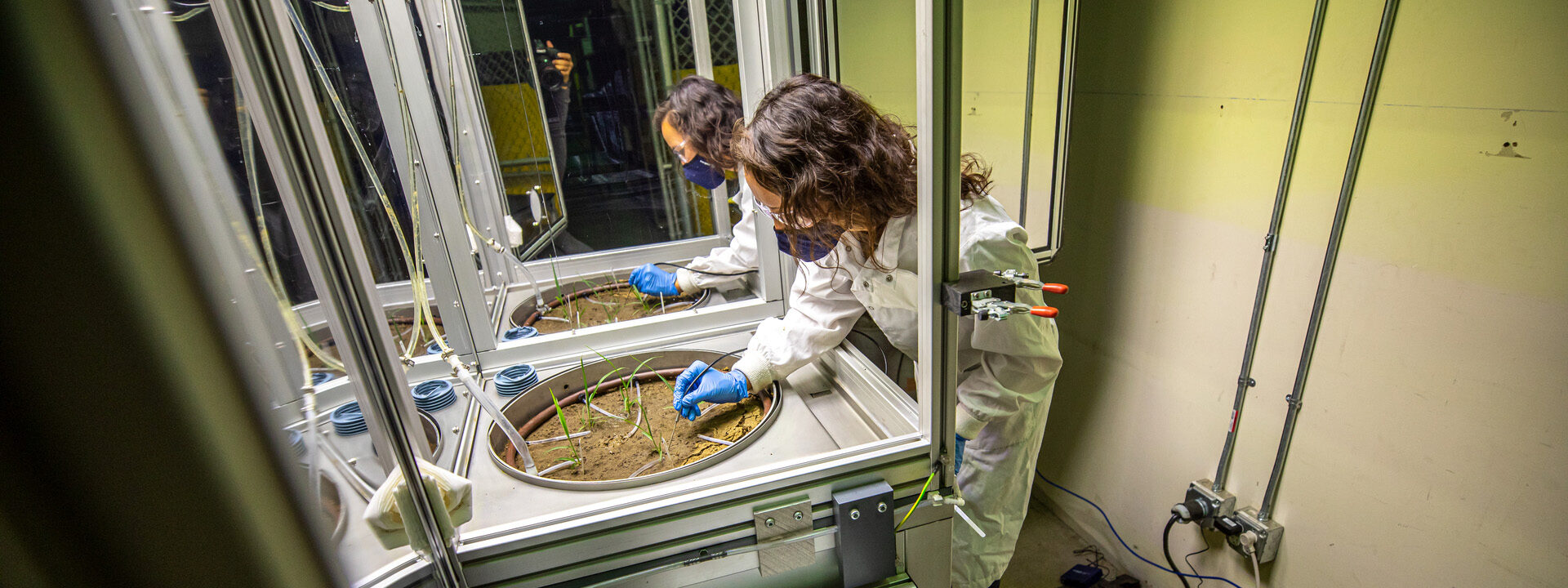
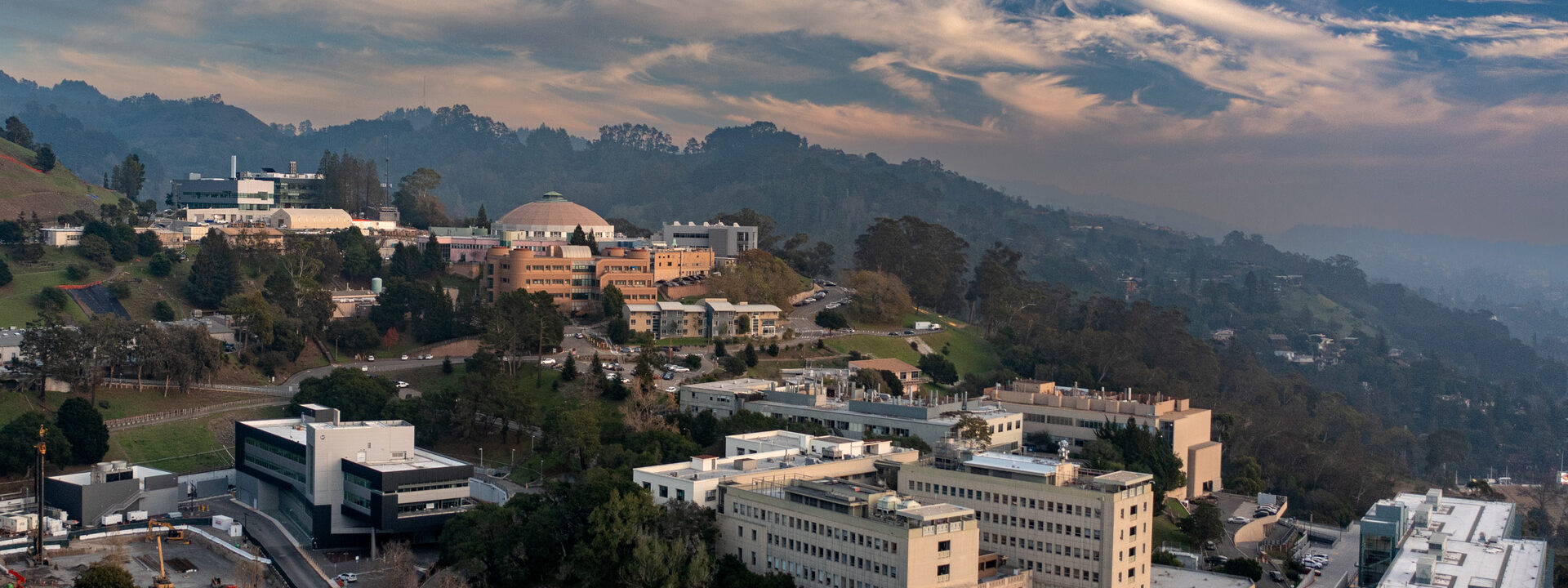
Berkeley Lab scientists and engineers are developing new capabilities to revolutionize the way discovery science is performed, and to maintain our ability to deliver valuable research for the nation and world. Our innovations will lead to tomorrow’s breakthroughs in discovery science, clean energy, and a healthy planet.

New experimental capabilities
Developing new scientific capabilities for future discovery.
Extending our scientific leadership
Facility and capability upgrades that extend our leadership in critical programs.
Modernizing our site infrastructure
Revitalizing our conventional site infrastructure to enable our science mission today and tomorrow.
ALS-U: solving scientific challenges with soft X-rays
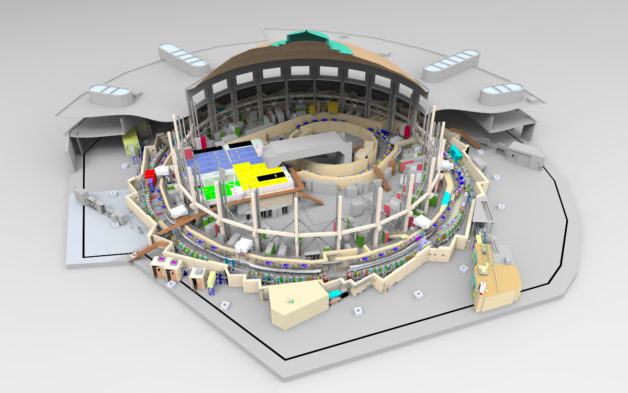
ALS-U is an ongoing upgrade of the Advanced Light Source (ALS) at Berkeley Lab that will endow the ALS with revolutionary X-ray capabilities.
Biological and Environmental Program Integration Center (BioEPIC)
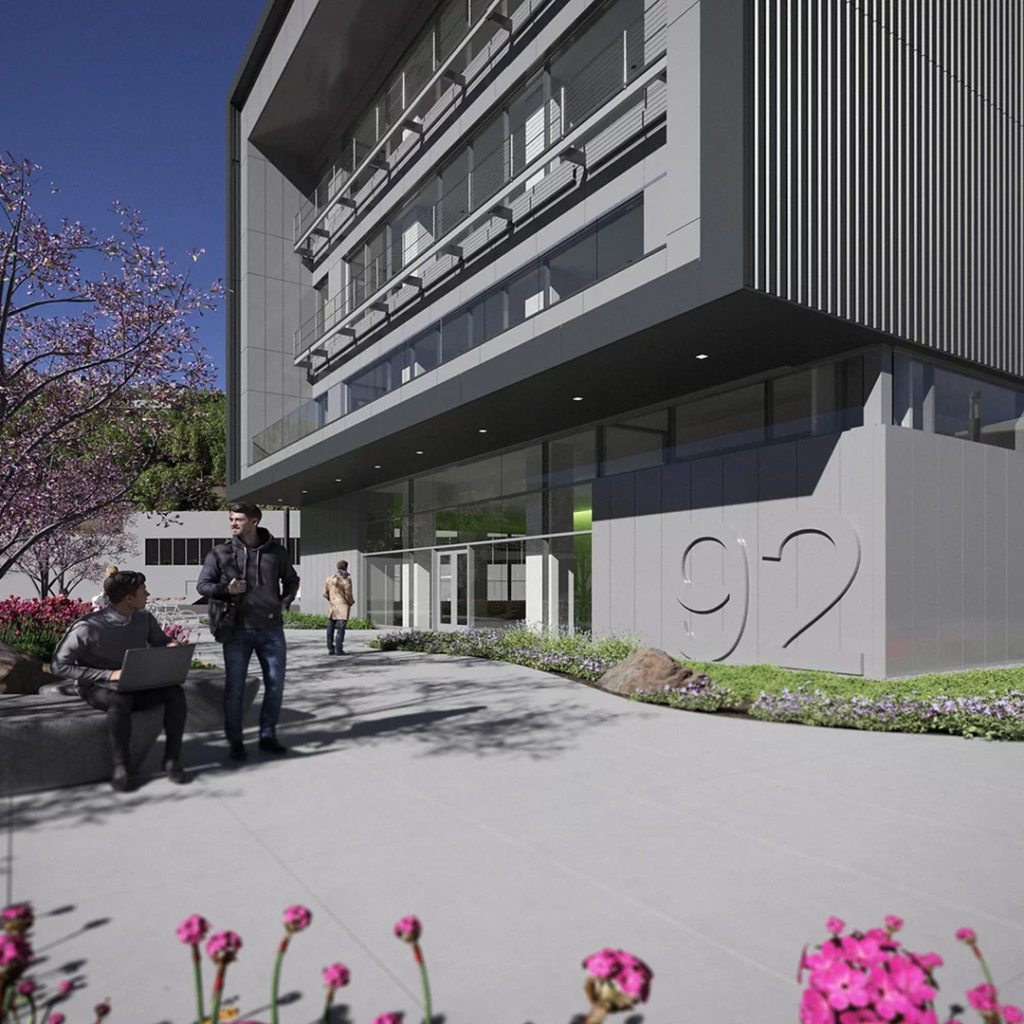
Scientists who will work in BioEPIC seek to revolutionize understanding of how microbes interact with soils and plants to influence the environment.
Energy Sciences Network (ESnet) upgrades

ESnet’s next-generation network, ESnet6, is designed to help the U.S. Department of Energy (DOE) research community navigate an expected “data deluge” by giving the community more bandwidth, greater flexibility, and faster data transfer capabilities.
Linear Assets Modernization Project (LAMP)
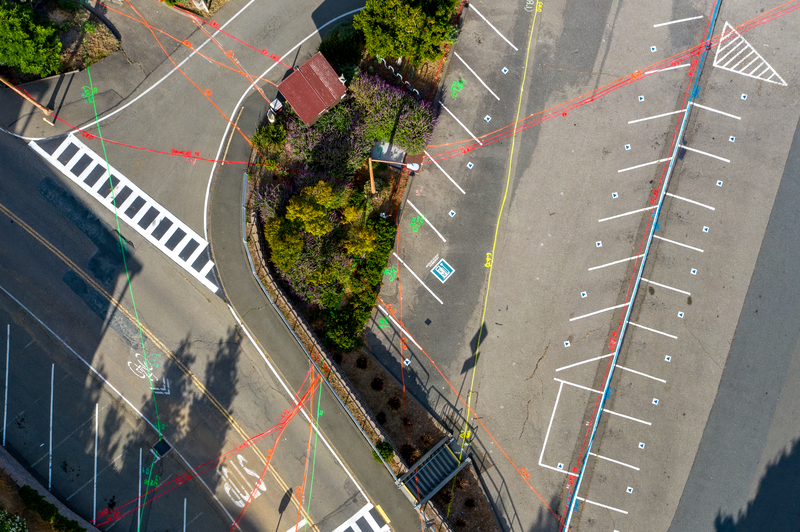
LAMP is the largest underground system modernization project in the history of the Lab. Upgrading the Lab’s utility infrastructure will help ensure critical work on cutting edge science and operations can continue safely and uninterrupted.
NERSC-10
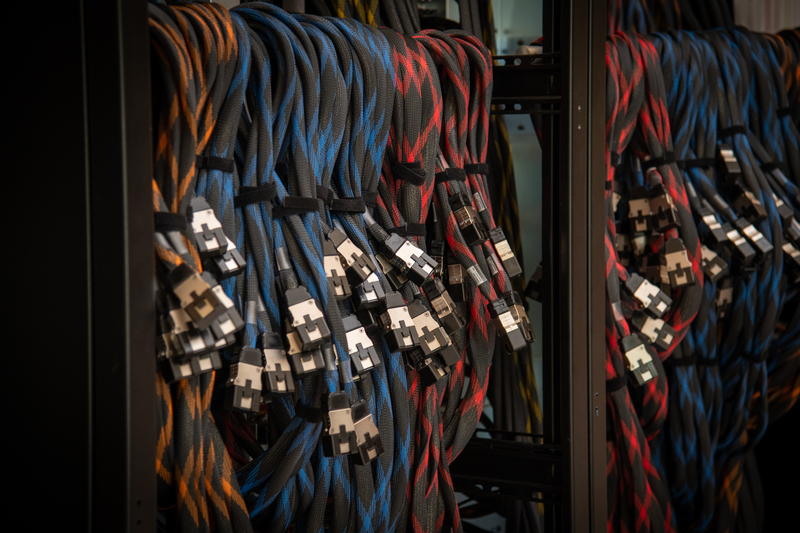
The NERSC-10 project would deliver a next-generation supercomputer in the 2026 time frame for the DOE Office of Science research community to address an evolving landscape in scientific research: the convergence of simulations and modeling, advances in artificial intelligence, and an explosion of experimental and observational data.
Biological Genome Engineering and Manufacturing Facility (BioGEM)
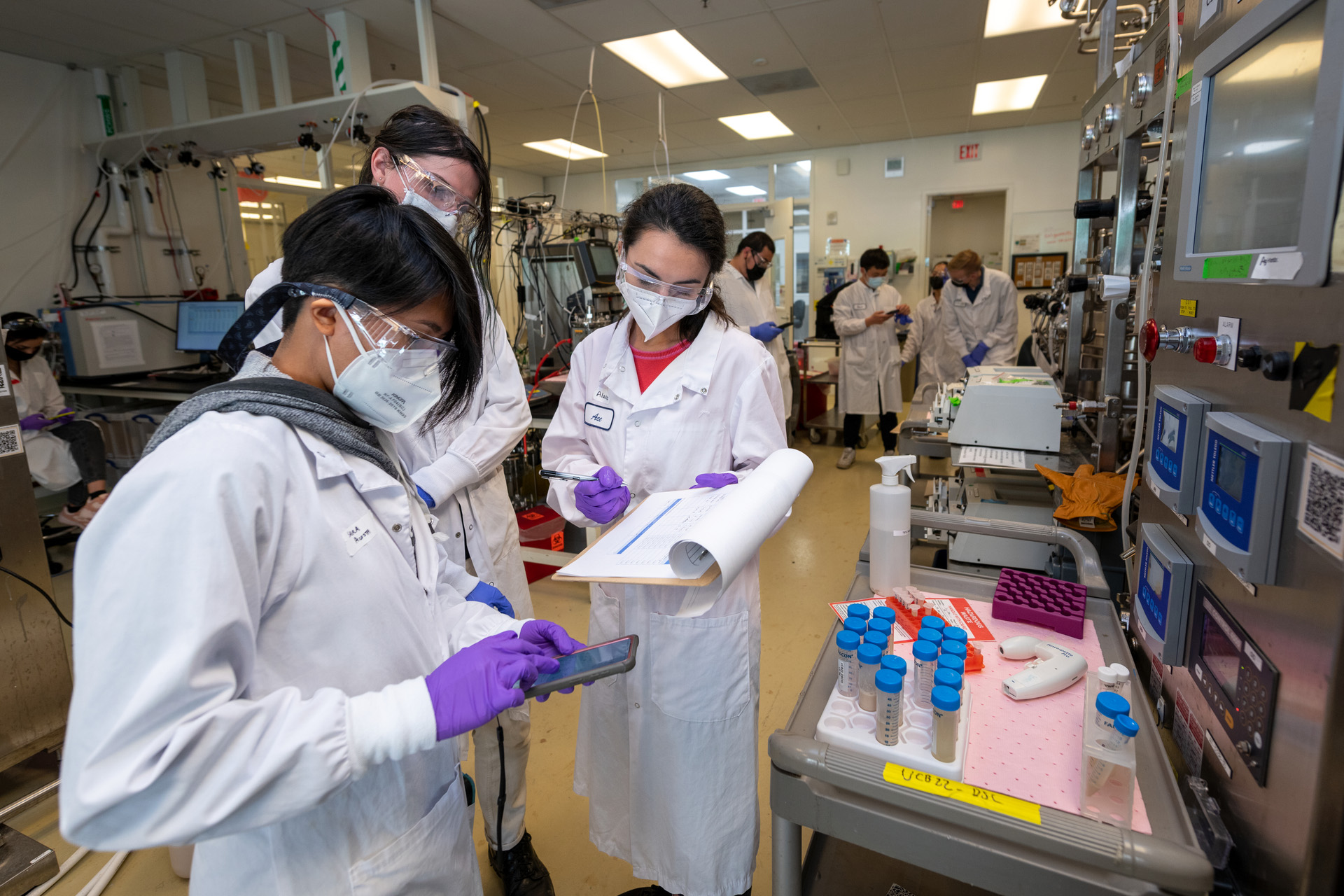
The envisioned BioGEM facility would integrate bioengineering research on microbes and plants from discovery to scale-up for biofuels and bioproducts. This facility would provide state-of-the-art space for training the bioeconomy workforce of the future.
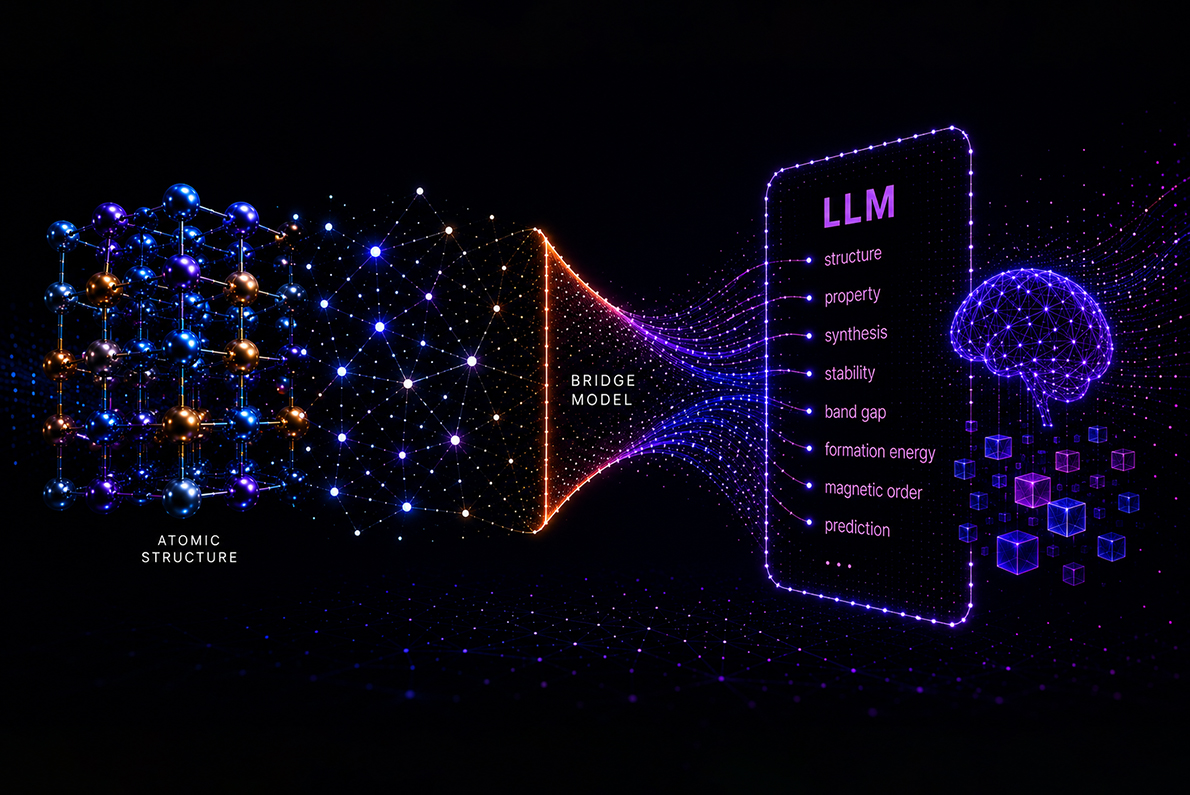
Berkeley Lab researchers developed MatterChat, a versatile AI “bridge model” that translates between specialized physics models and conversational Large Language Models. This provides a powerful new blueprint for integrating complex scientific data directly into LLMs, and was used to accelerate materials discovery by understanding the language of atomic structures.
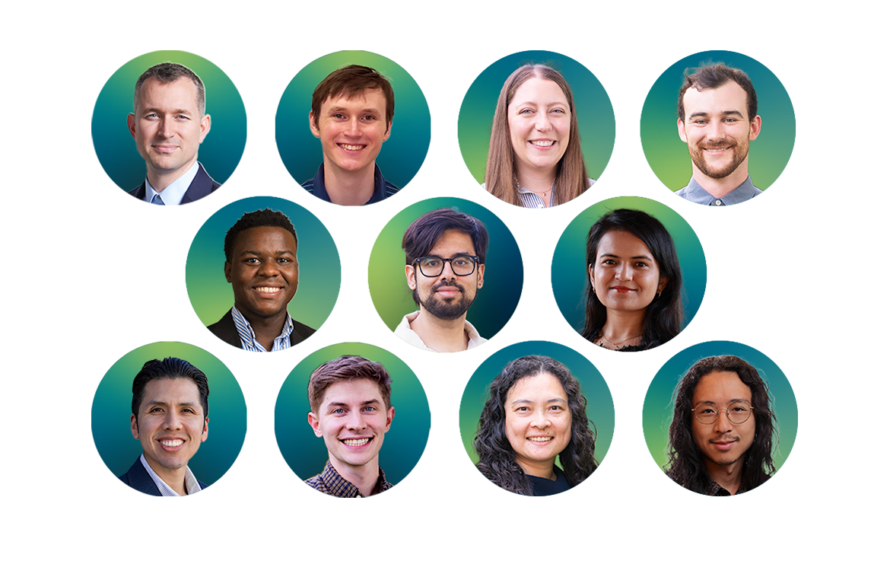
Cyclotron Road Welcomes 11 New Entrepreneurial Fellows
Fervo Energy: Pioneering Next-Generation Geothermal Power

10 Years of Cyclotron Road Helping Entrepreneurs Bring Technologies to Market
Artificial Intelligence
Accelerator Technologies
Microbes to Ecosystems