
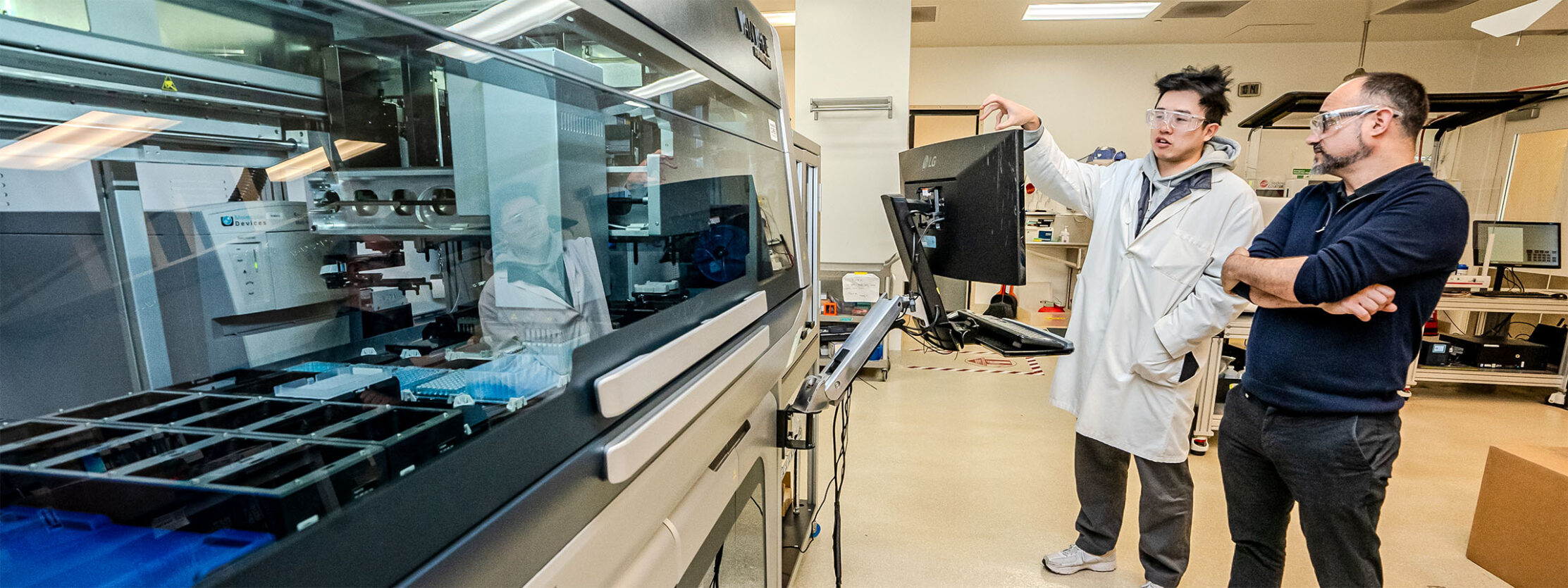
Berkeley Lab scientists are developing new AI models to push the boundaries of science, and applying AI to make discoveries in biology, physics, clean energy, climate, materials, and more.
A Foundation Model for Atomistic Materials Chemistry
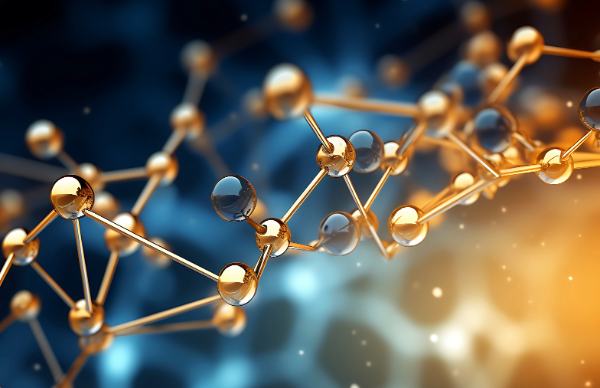
Demonstrating the power of the MACE-MP-0 model and its qualitative and quantitative accuracy on a diverse set of problems in the physical sciences, including the properties of solids, liquids, gases, chemical reactions, interfaces, and even the dynamics of a small protein.
Accelerator Advancements Through Machine Learning
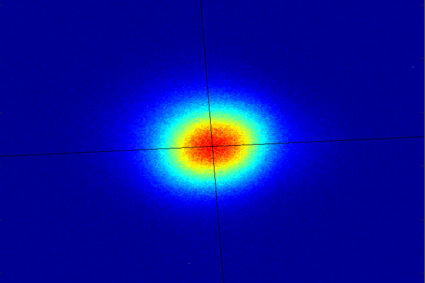
Training neural networks to allow for a novel feed forward which increases source size stability by up to an order of magnitude compared to conventional physics model-based approaches.
AI Foundation Model for Proteins toward Automated Function Enhancement

Developing a generative pre-trained AI model to enhance the functional properties of proteins for biomanufacturing and to advance self-driving labs for synthetic biology.
Center for Advanced Mathematics for Energy Research Applications (CAMERA)
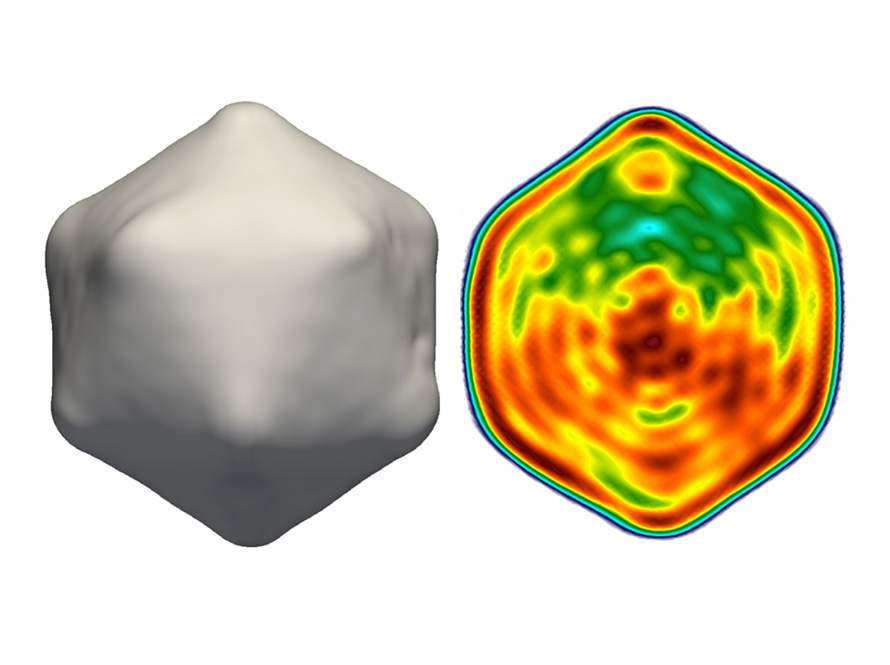
CAMERA is an integrated, cross-disciplinary center that aims to invent, develop, and deliver the fundamental new mathematics required to capitalize on experimental investigations at scientific facilities.
Combining Data-driven and Science-based Generative Models

This project investigates the many connections between data-driven and science-driven generative models.
Domain-Aware, Physics-Constrained Autonomous Experimentation

Next-generation Gaussian (and Gaussian-related) process engine for flexible, domain-informed and HPC-ready stochastic function approximation.
Exa.TrkX
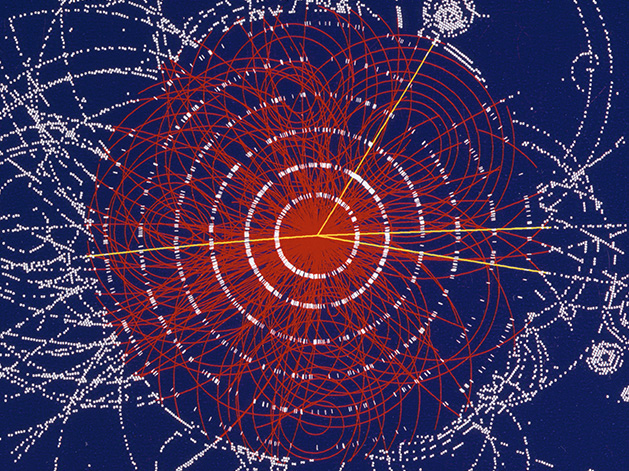
A collaboration of data scientists and computational physicists developing graph neural networks models aimed at reconstructing millions of particle trajectories per second from petabytes of raw data produced by the next generation of particle tracking detectors at the energy and intensity frontiers.
FORUM-AI
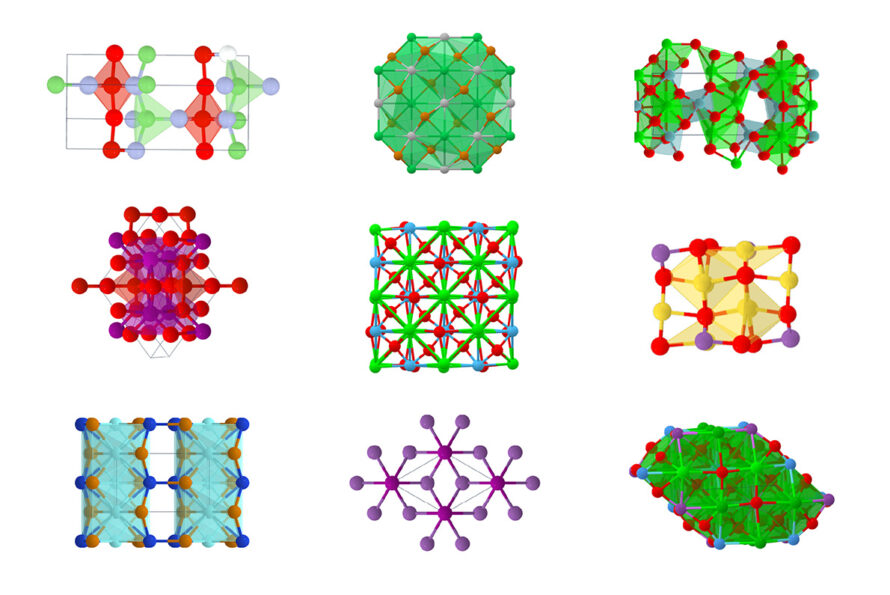
FORUM-AI (Foundation Models Orchestrating Reasoning Agents to Uncover Materials Advances and Insights) will develop an open-source, general-purpose AI platform for research in materials and the physical sciences.
Foundation Models for Scientific Machine Learning

Exploring how pre-trained ML could be used for scientific ML (SciML) applications, specifically in the context of transfer learning.
FourCastNet

FourCastNet, short for Fourier Forecasting Neural Network, is a global data-driven weather forecasting model that provides accurate short to medium-range global predictions at high resolution.
From Molecules to Materials

Developing AI models that generalize across different chemical systems and are trained on large datasets, aiding in more accurate and efficient predictions in the field of materials science.
gpCAM for Domain-Aware Autonomous Experimentation

The gpCAM project consists of an API and software designed to make autonomous data acquisition and analysis for experiments and simulations faster, simpler, and more widely available by leveraging active learning.
HGDL for Hybrid Global Deflated Local Optimization

An optimization algorithm specialized in finding a diverse set of optima, alleviating challenges of non-uniqueness that are common in modern applications.
Hidden Activity Signal and Trajectory Anomaly Characterization (HAYSTAC)

The goal of HAYSTAC is to develop a generative model that produces complete trajectories of stay locations given sparse Location-Based Service (LBS) data.
Image across Domains, Experiments, Algorithms and Learning (IDEAL)

Supported by a U.S. DOE Early Career Award, IDEAL focuses on computer vision and ML algorithms and software to enable timely interpretation of experimental data recorded as 2D or multispectral images.
Large-scale, Self-driving 5G Network for Science
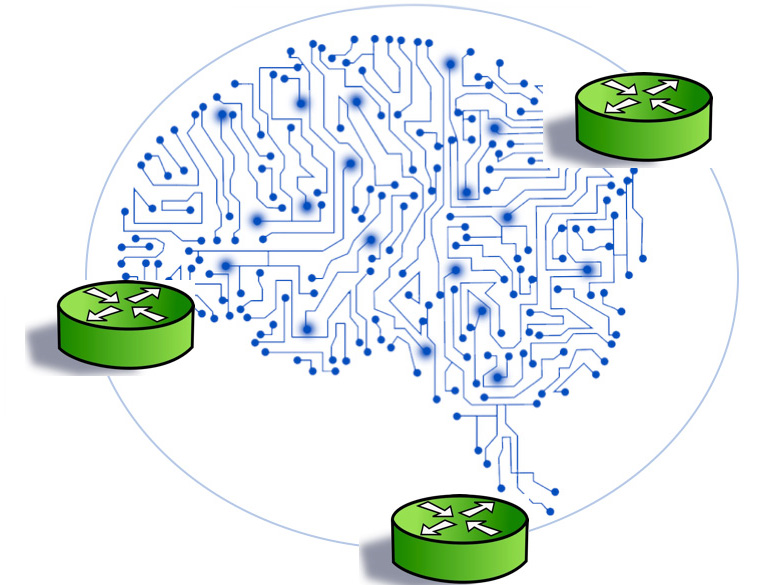
Using AI combined with network virtualization to support complex end-to-end network connectivity from edge 5G sensors to supercomputing facilities.
Learning Continuous Models for Continuous Physics

Developing principled numerical analysis methods to validate models for science and engineering applications.
Learning Differentiable Solvers for Systems with Hard Constraints

Designing a differentiable neural network layer to enforce physical laws and demonstrate that it can solve many problem instances of parameterized partial differential equations (PDEs) efficiently and accurately.
MetFish: Protein Sequence to Dynamic Structures

Developing new AI methods to integrate Small-angle X-ray scattering (SAXS) data from the Advanced Light Source (ALS) with AlphaFold’s AI-based protein structure prediction to identify physiologically representative protein conformations.
Mitigation via Analytics for Inverter-Grid Cybersecurity (MAGIC)

Developing secure AI/ML tools to both detect and mitigate cyber attacks on aggregations of Distributed Energy Resources (DER) in electric power distribution systems and microgrids.
ML for Traumatic Brain Injury Research
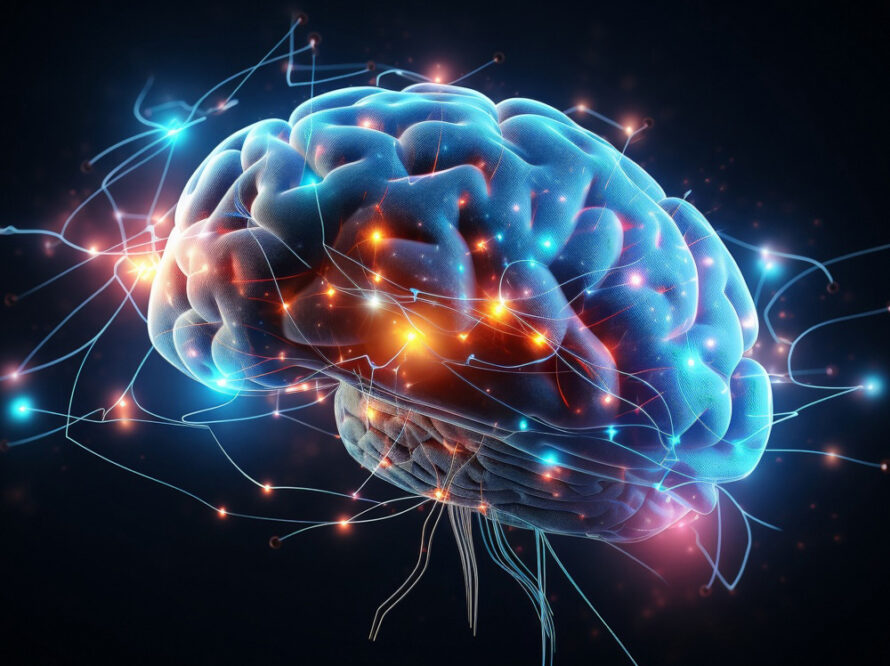
Collaboration shows how machine learning methods can enhance the prognosis and understanding of traumatic brain injury (TBI).
Mobiliti
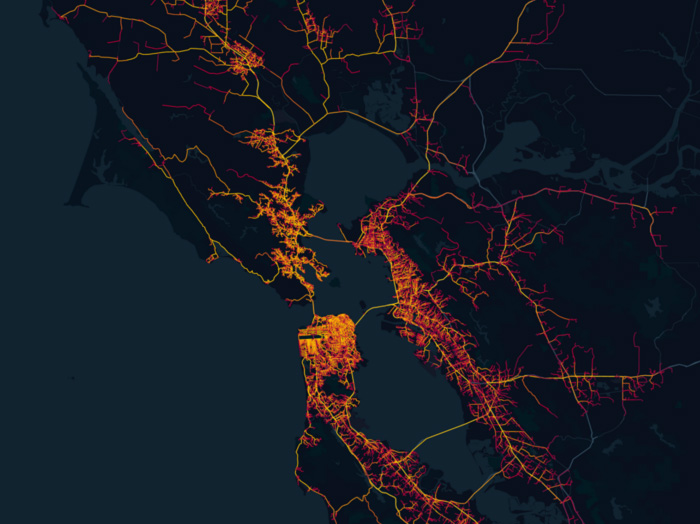
Cutting-edge software system that accurately simulates the movement of an entire population through a region’s road networks.
New Battery Designs and Quality Control with Deep Learning
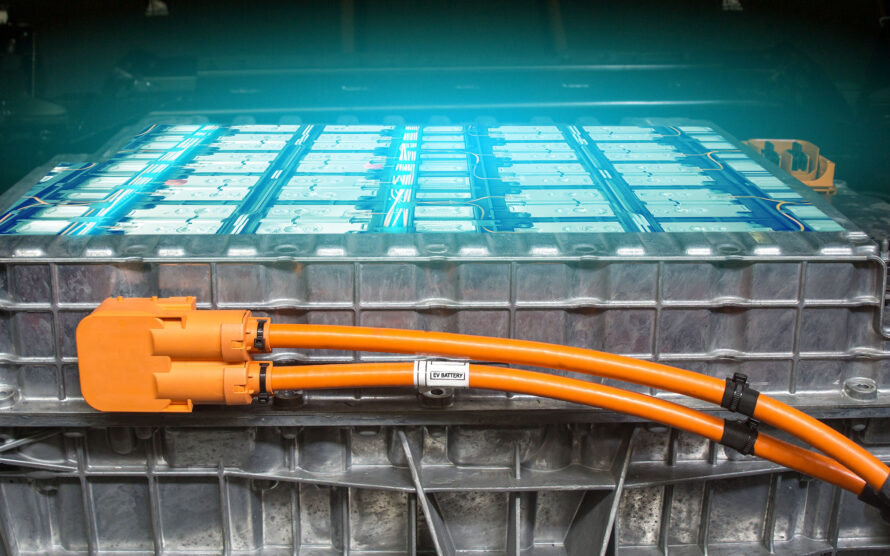
New deep learning based on U-net, Y-net, and viTransformers for detection and segmentation of defects in lithium metal batteries to expand the e-vehicle fleet.
Python-based Surrogate Modeling Objects (PySMO)

An open-source tool for generating accurate algebraic surrogates that are directly integrated with an equation-oriented optimization platform, providing a breadth of capabilities suitable for a variety of engineering applications.
Science Search
Developing innovative machine learning tools to pull contextual information from scientific datasets and automatically generate metadata tags for each file.
Statistical Mechanics for Interpretable Learning Algorithms

Using statistical mechanics to interpret how popular machine learning algorithms behave, give users more control over these systems, and enable them to reach the results faster.
Topological Optimization

Enabling a faster and more precise topological regularization.
Transformers for Topic Modeling and Recommendation
Turning text data into information that helps to identify key topics within certain science domains.
TRI: Charge Balance Predictor, an ML Model for Synthesis Validation
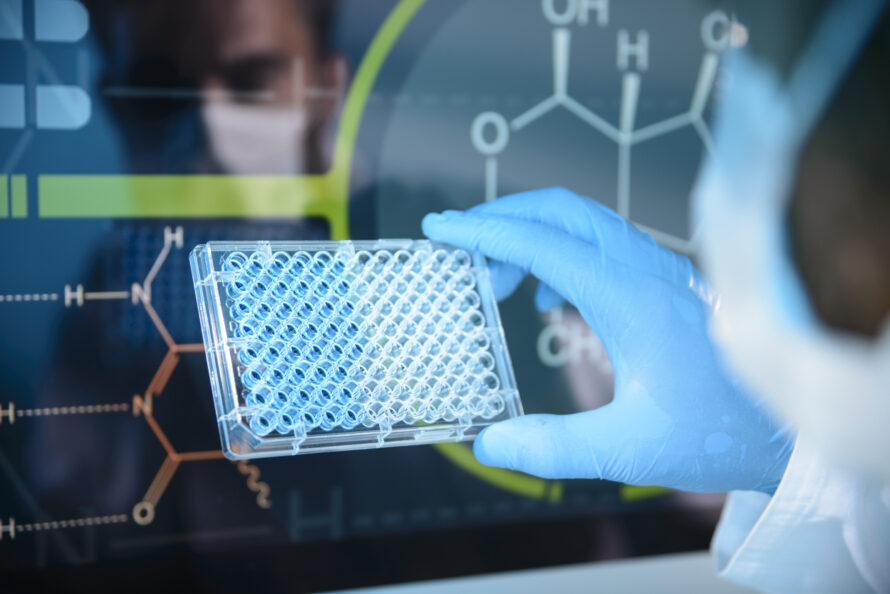
Developing an ML model that predicts whether a newly proposed chemical synthesis based on its composition will be charged balanced to assist researchers in validating their synthesis plans.
Visualizing Scientific ML Functions
Developing novel visualization methods to improve our understanding of scientific ML models.
WaveCastNet

WaveCastNet is a novel AI-enabled framework for forecasting ground motions from large earthquakes.
4DCamera Distillery
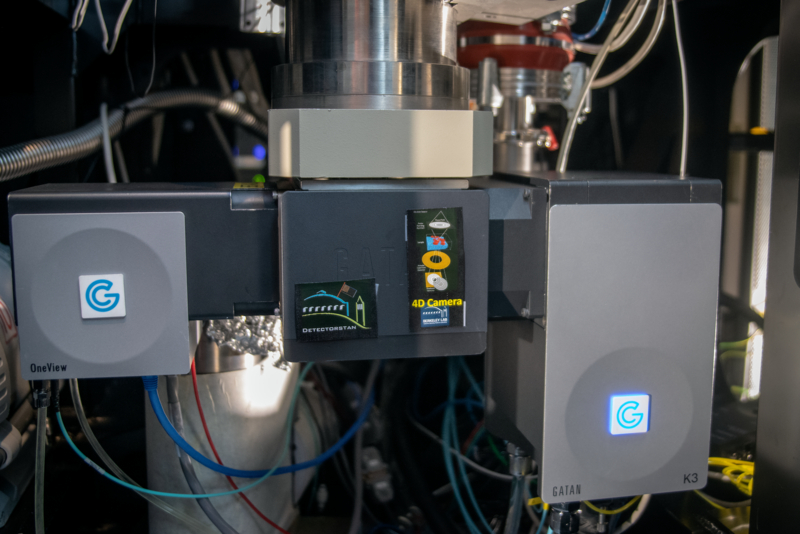
Develop and deploy methods and tools based on AI and ML to analyze electron scattering information from the data streams of fast direct electron detectors.
A-Lab
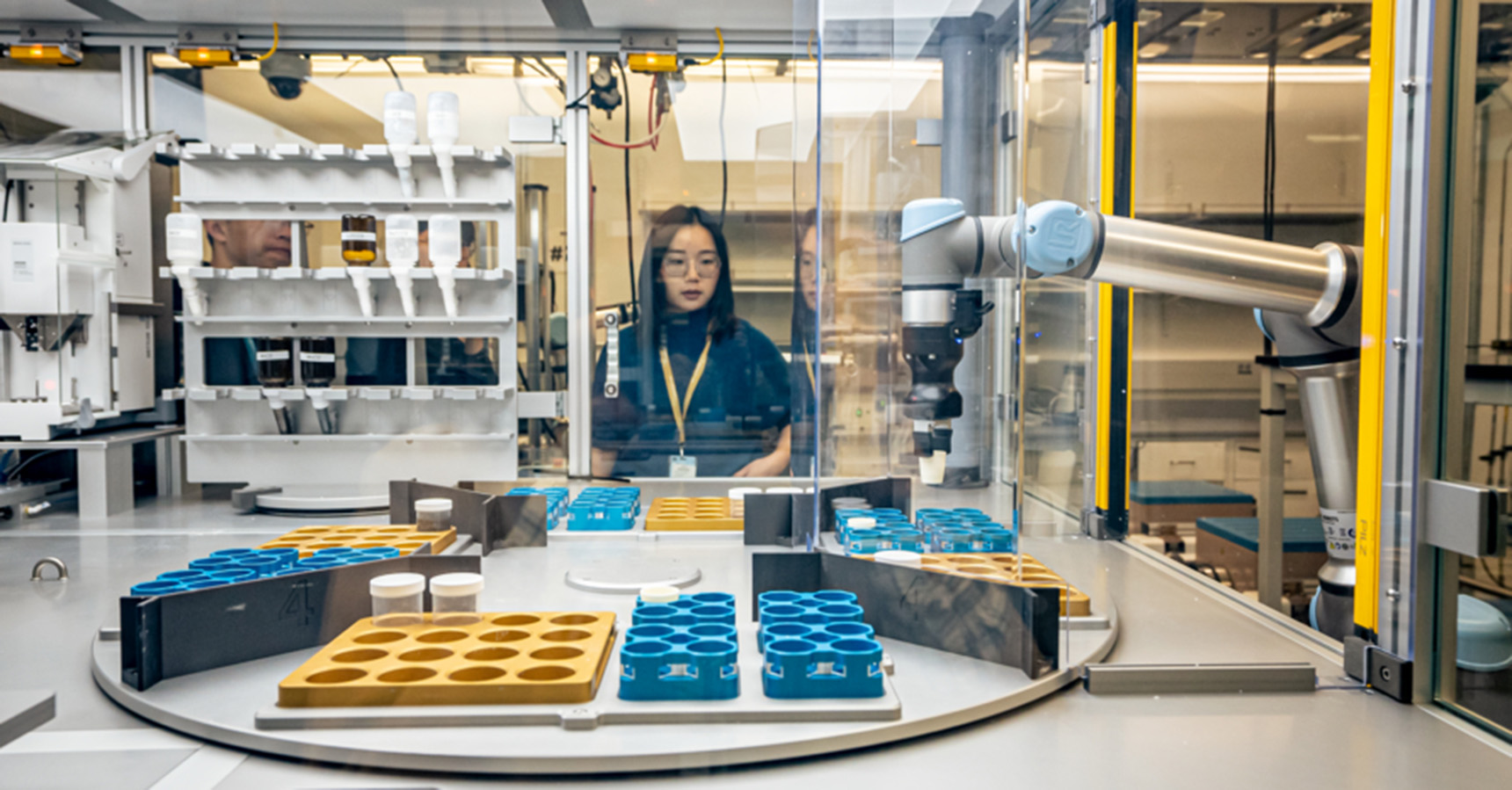
To accelerate development of useful new materials, researchers have developed a new kind of automated lab that uses robots guided by artificial intelligence.
An ML Approach to Better Batteries

Applying ML to atomic-scale images to extract the relationship between strain and composition in a battery material, paving the way for more durable batteries.
AI and ML for Accelerator Technologies

Harnessing the game-changing power of AI/ML for both modeling and control of particle accelerators.
AI and ML for Nuclear Physics

Powering the next generation of nuclear physics discoveries with ML.
AI for Energy
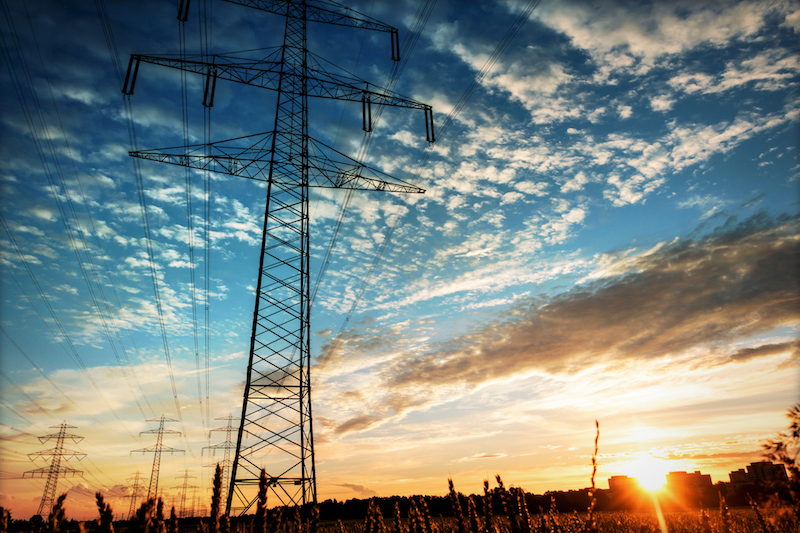
Opportunities for a modern grid and clean energy economy through the power of AI.
AI for Physics Breakthroughs
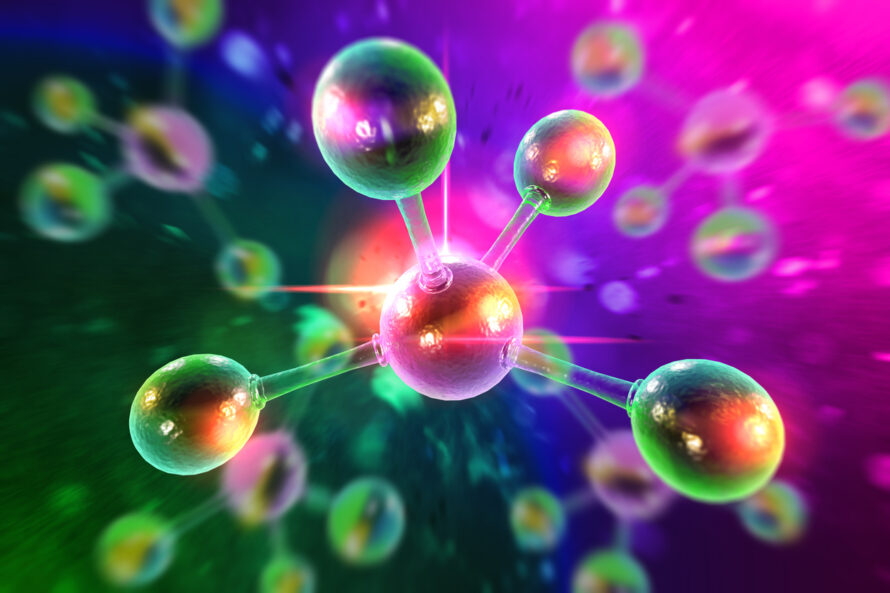
Approaching fundamental physics challenges through the lens of modern ML.
AR1K: Engineering Agriculture through ML in BioEPIC

Bringing together molecular biology, biogeochemistry, environmental sensing technologies, and ML to help revolutionize agriculture and create sustainable farming practices that benefit both the environment and farms.
Assessing Factors Underpinning PV Degradation through Data Analysis

DuraMAT uses advanced data analytics to more accurately pinpoint photovoltaic (PV) module degradation and isolate its causes.
Automating Data Acquisition & Analysis

This project aims to develop new stochastic process-based mathematical and computational methods to achieve high-quality, domain-aware function approximation, uncertainty quantification, and, by extension, autonomous experimentation.
Automating High-Throughput Electron Microscopy at the Molecular Foundry
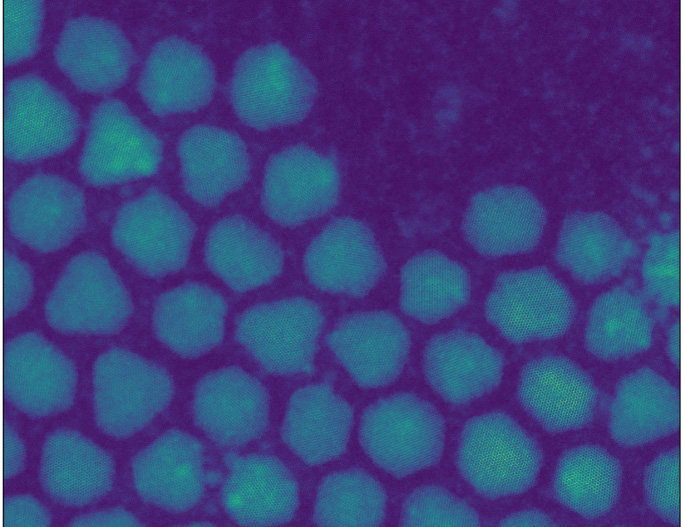
A flexible pipeline-based system for high-throughput acquisition of atomic-resolution structural data using an all-piezo sample stage applied to large-scale imaging of nanoparticles and multimodal data acquisition.
Berkeley Biomedical Data Science Center

Berkeley Biomedical Data Science Center (BBDS) is a central hub of research at Lawrence Berkeley National Laboratory designed to facilitate and nurture data-intensive biomedical science.
Calibrated and Systematic Characterization, Attribution, and Detection of Extremes (CASCADE)

Developing AI-based methods for predicting the occurrence of low-likelihood, high-impact climate extremes that are missed by traditional weather predictions.
Codesign of Ultra-Low-Voltage, Beyond CMOS Microelectronics

Exploring new physics leading to higher energy efficiency in computing.
Cosmological Hydrodynamic Modeling with Deep Learning

Using deep neural networks to reconstruct important hydrodynamical quantities from coarse or N-body-only simulations, vastly reducing the amount of compute resources required to generate high-fidelity realizations while still providing accurate estimates with realistic statistical properties.
Data Analytics for Commercial Buildings

Developing automated approaches to determine building characteristics, and retrofit and operational efficiency opportunities.
Data Driven Synthesis Science Program

Developing a data-driven approach to synthesis science by combining text mining and ML, in situ and ex situ characterization of experimental synthesis, and large-scale first-principles modeling.
Deepot: A Deep Learning Approach for Parking Lot Detection Using Low-Resolution Satellite Imagery

Deep learning approaches to detect parking lot locations using satellite imagery datasets.
Domain-Aware, Physics-Constrained Autonomous Experimentation
Next-generation Gaussian (and Gaussian-related) process engine for flexible, domain-informed and HPC-ready stochastic function approximation.
Earth AI & Data

Using ML, data sciences, informatics, and data management to advance state-of-the-art Earth science observations, modeling, and theory.
Enhancing Utility Operations during Heat Waves through Large-Scale Sensing and Data Fusion

Enhancing utilities operation during heat waves by developing new models to estimate hours-ahead electricity demand, flexibility of aggregated building stocks and overheating risks of vulnerable communities during heat waves.
Exa.TrkX
A collaboration of data scientists and computational physicists developing graph neural networks models aimed at reconstructing millions of particle trajectories per second from petabytes of raw data produced by the next generation of particle tracking detectors at the energy and intensity frontiers.
ExaEpi
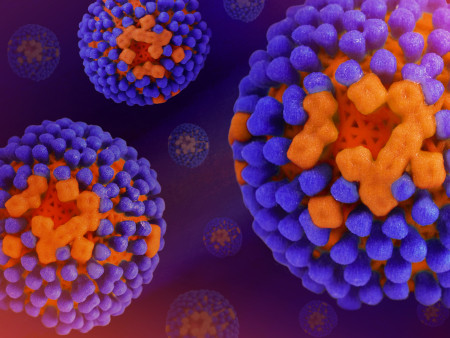
Developing an exascale-ready agent-based epidemiological model that can speed predictions of disease spread.
ExaSheds

Using leadership-class computers, big data, and machine learning – combined in learning-assisted physics-based simulation tools – to fundamentally change how watershed function is understood and predicted.
FAIR Universe

The FAIR Universe project is developing and sharing datasets, training frameworks, and data challenges and benchmarks to facilitate common development and standardization, all with a focus on uncertainty-aware training.
Feedstock to Function (F2FT)
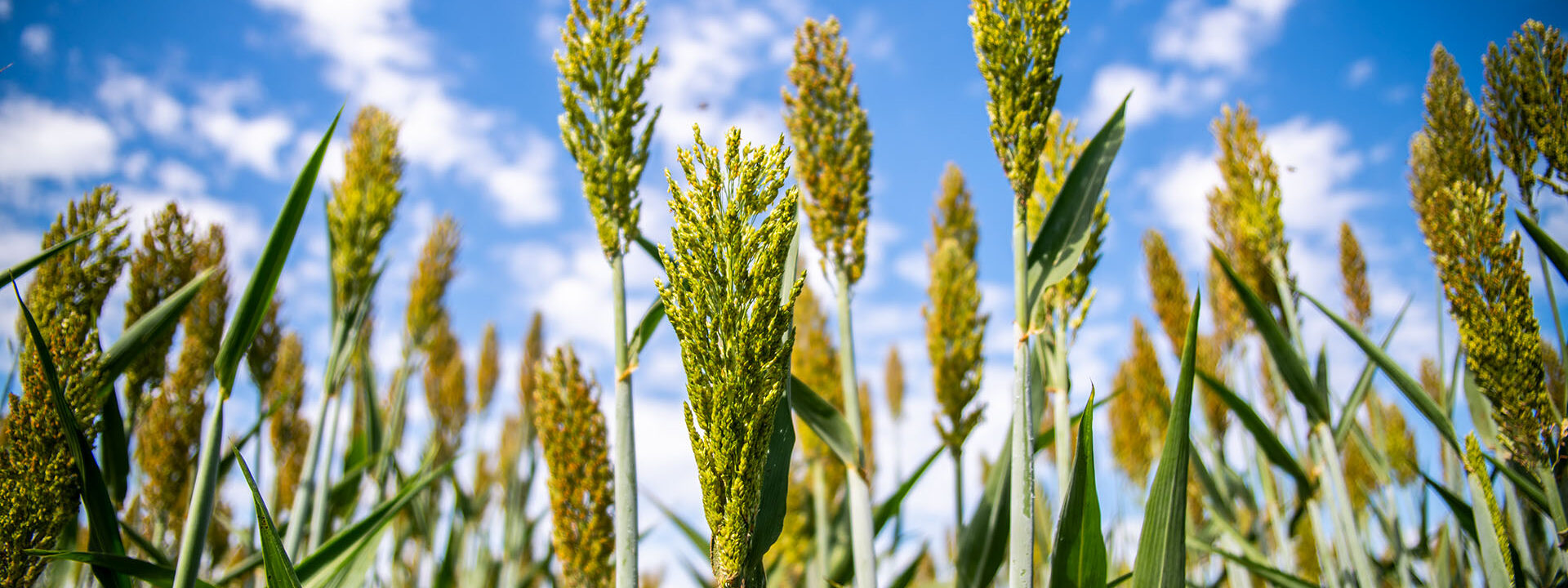
Improving bio-based product and fuel development through adaptive technoeconomic and performance modeling.
Fire Spread Simulator and Understanding Fire Behavior

An open-source fire spread simulation framework that trains semi-empirical fire behavior model output data using ML and provides the learned logic into a cellular automata simulator to simulate fire spread.
Harnessing ML to Accelerate the Discovery of New Upconverting Nanoparticles
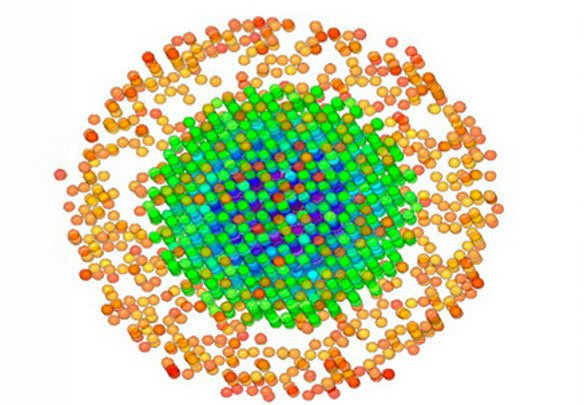
Using ML to accelerate the discovery of novel UCNPs while domain-specific knowledge is being developed.
HGDL for Hybrid Global Deflated Local Optimization
An optimization algorithm specialized in finding a diverse set of optima, alleviating challenges of non-uniqueness that are common in modern applications.
How Scientists Are Accelerating Chemistry Discoveries With Automation

New statistical-modeling workflow may help advance drug discovery and synthetic chemistry.
Institute for the Design of Advanced Energy Systems (IDAES)
A next generation multi-scale modeling & optimization framework to support the U.S. power industry.
La Silla Schmidt Southern Survey (LS4)

Over the next decade, the La Silla Schmidt Survey (LS4) will leverage an automated pipeline to uncover transient sky events in the Southern Hemisphere.
Large-scale, Self-driving 5G Network for Science
Using AI combined with network virtualization to support complex end-to-end network connectivity from edge 5G sensors to supercomputing facilities.
Leverage Large Language Models for Particle Physics

Enhancing particle reconstruction by harnessing the power of language models.
Macroscopic Traffic Modeling Using Probe Vehicle Data: An ML Approach

Applying ML methods to predict the macroscopic fundamental diagrams (MFD) across U.S. urban areas and capture the impacts of location-specific input features on the network flow-density relationships at a large scale.
MetFish: Protein Sequence to Dynamic Structures
Developing new AI methods to integrate Small-angle X-ray scattering (SAXS) data from the Advanced Light Source (ALS) with AlphaFold’s AI-based protein structure prediction to identify physiologically representative protein conformations.
Mitigation via Analytics for Inverter-Grid Cybersecurity (MAGIC)
Developing secure AI/ML tools to both detect and mitigate cyber attacks on aggregations of Distributed Energy Resources (DER) in electric power distribution systems and microgrids.
ML for Traumatic Brain Injury Research
Collaboration shows how machine learning methods can enhance the prognosis and understanding of traumatic brain injury (TBI).
ML Informed Parameterization for Household Vehicle Microsimulation
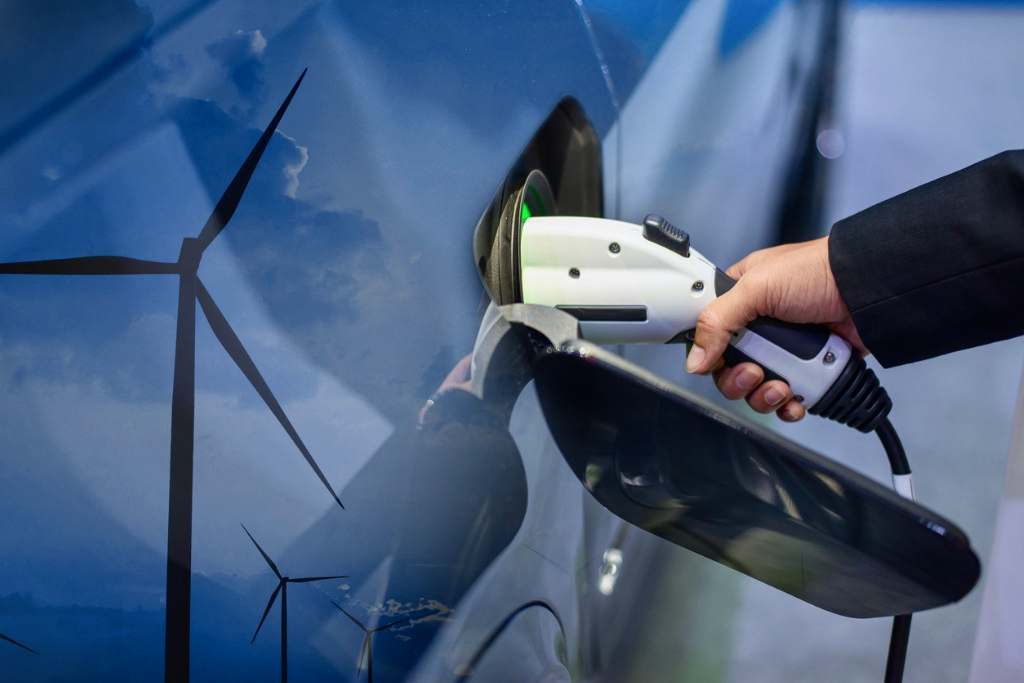
Developing a dynamic vehicle transaction model to fully evolve households and their vehicle fleet composition and usage over time for forecasting vehicle technology adoptions in the U.S.
ML Tackles Long COVID
AI software gleans insights from health records to shed light on chronic COVID symptoms.
ML Takes on Synthetic Biology: Algorithms Can Bioengineer Cells for You
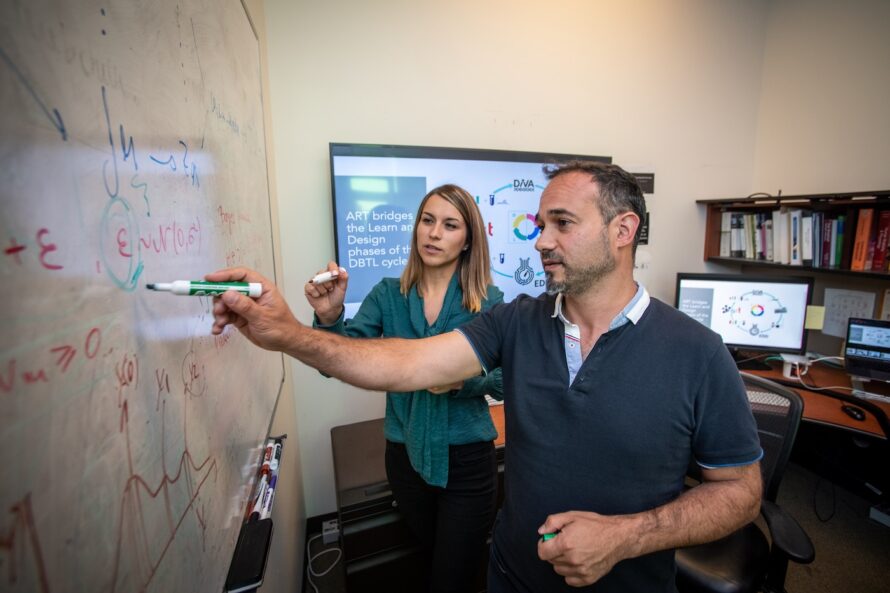
Berkeley Lab scientists developed a new tool that adapts ML algorithms to the needs of synthetic biology to guide development systematically.
ML Web Interfaces across Light Sources
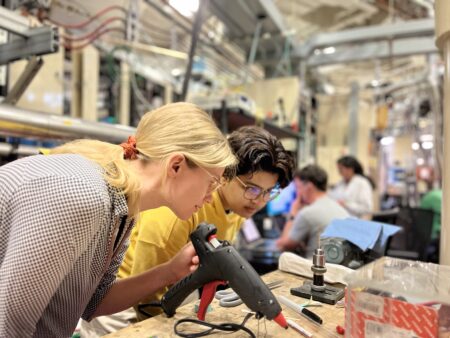
Developing a suite of tools aimed at lowering the barriers of access to advanced data processing for all users.
MLExchange

MLExchange is a shared platform that lowers the barrier to entry by leveraging advances in ML methods across user facilities, thus empowering domain scientists and data scientists to discover new information using existing and new data with novel tools.
MLPerf HPC

MLPerf HPC is a machine learning performance benchmark suite for scientific ML workloads on large supercomputers.
Mobiliti
Cutting-edge software system that accurately simulates the movement of an entire population through a region’s road networks.
NAWI: Direct Electrochemical Reduction of Selenium to Achieve A-PRIME Water Treatment

Predicting optimal electrode materials with high activity for aqueous electrochemical selenite and selenate reduction.
NAWI Water Treatment Model Development (WaterTAP)

Providing computational and modeling solutions to optimize the performance, energy use, and economic cost of existing and developing water treatment processes and infrastructures.
New Battery Designs and Quality Control with Deep Learning
New deep learning based on U-net, Y-net, and viTransformers for detection and segmentation of defects in lithium metal batteries to expand the e-vehicle fleet.
Normalizing Flows for Statistical Data Analysis

Developing fast Bayesian statistical analysis methods for scientific data analysis that can be applied to a wide range of scientific domains and problems.
Privacy-Preserving, Collective Cyberattack Defense of Distributed Energy Resources

Developing a software platform to allow utilities to share relevant cybersecurity information with one another in a manner that does not compromise the privacy of customers in their service territories.
Process Optimization and Modeling for Minerals Sustainability (PrOMMiS)
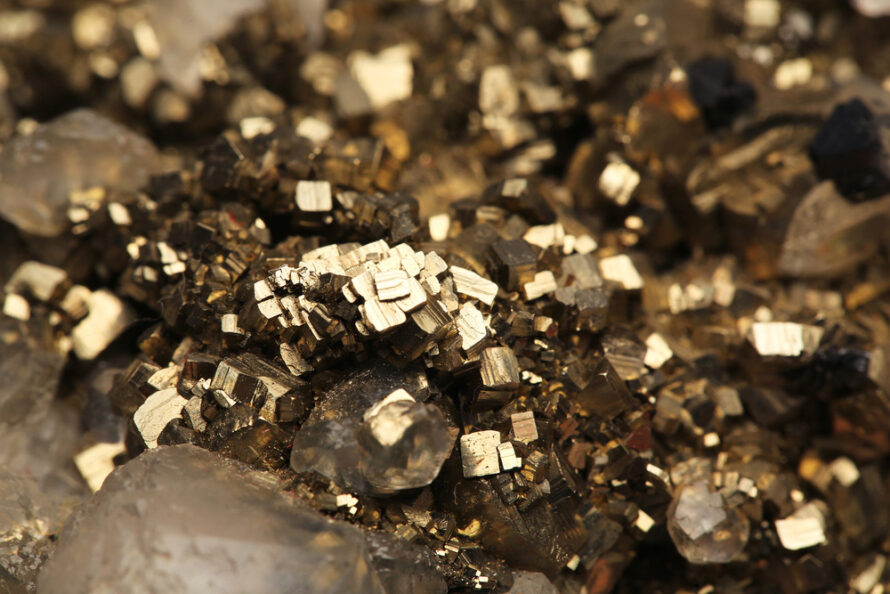
A resource for accelerating the identification, design, scaleup, and integration of innovative rare earth elements and critical processes.
Produced Water Application for Beneficial Reuse, Environmental Impact and Treatment Optimization (PARETO)

An open-source, optimization-based, downloadable and executable produced water decision-support application for produced water management and beneficial reuse.
Python-based Surrogate Modeling Objects (PySMO)
An open-source tool for generating accurate algebraic surrogates that are directly integrated with an equation-oriented optimization platform, providing a breadth of capabilities suitable for a variety of engineering applications.
Reliable Edge ML Hardware for Science

This project explores approaches for developing and validating reliable algorithms for real-time computing at the scientific edge.
Rhizonet
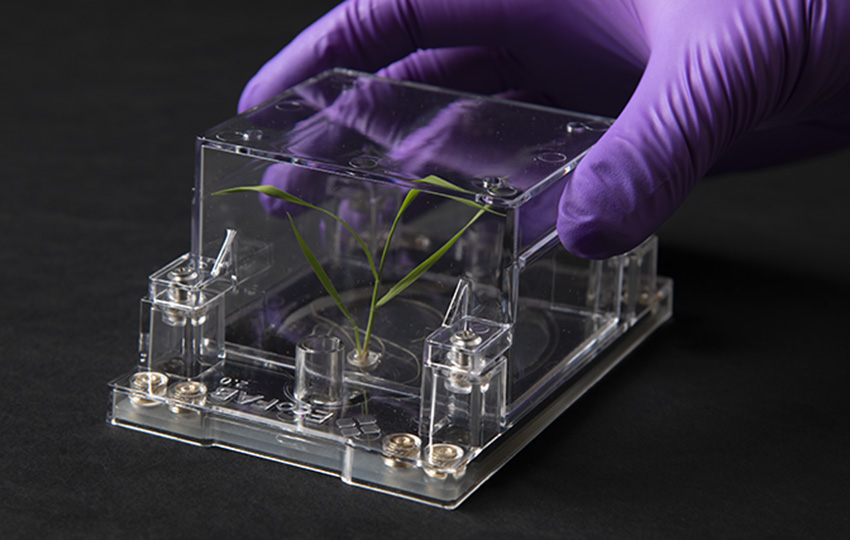
Harnessing the power of AI to study plant roots, offering new insights into root behavior under various environmental conditions.
Self-Supervised Learning for Cosmological Surveys

Sky surveys for downstream tasks like morphology classification, redshift estimation, similarity search, and detection of rare events, paving new pathways for scientific discovery.
Supercomputing-Scale AI on the Perlmutter System at NERSC
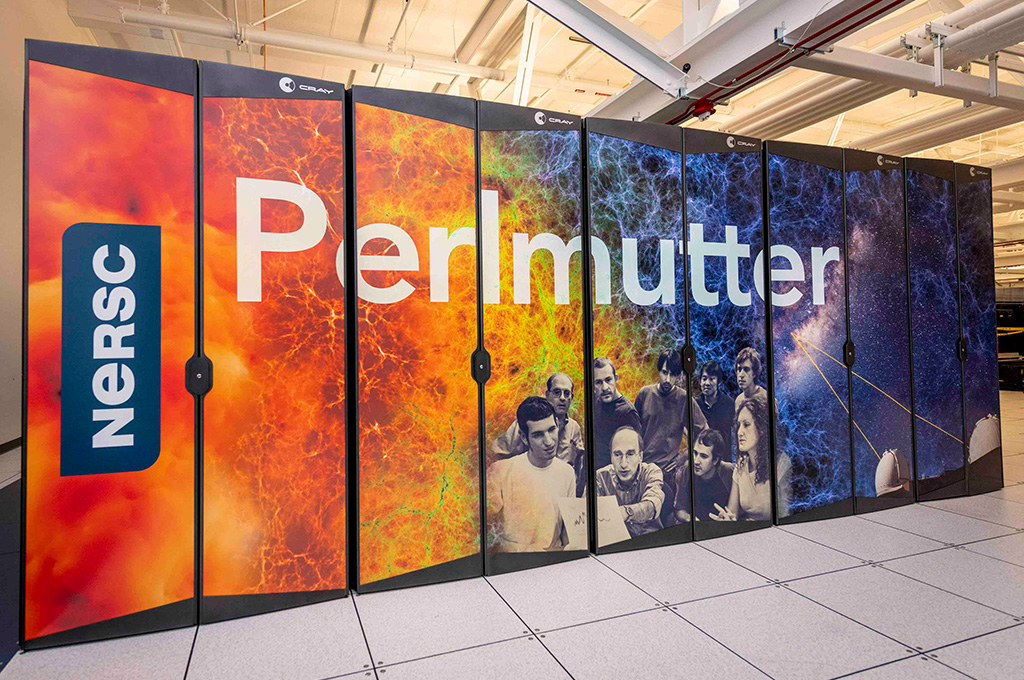
The Perlmutter system is a world-leading AI supercomputer consisting of over 6,000 NVIDIA A100 GPUs, an all-flash filesystem, and a novel high-speed network.
Transformers for Topic Modeling and Recommendation
Turning text data into information that helps to identify key topics within certain science domains.
Using ML to Disentangle Strain Maps in Electron Microscopy

A Fourier space, complex-valued deep-neural network, FCU-Net, to invert highly nonlinear electron diffraction patterns into the corresponding quantitative structure factor images.
WaveCastNet
WaveCastNet is a novel AI-enabled framework for forecasting ground motions from large earthquakes.
Artificial intelligence is bringing transformative solutions to complex scientific challenges. Through advanced computation, network facilities, and data integration, Berkeley Lab is advancing the foundations of powerful new AI capabilities and using AI for discoveries in materials, energy, chemistry, physics, biology, climate science, and more.