For decades, Berkeley Lab has pioneered advances in artificial intelligence while applying AI to tackle some of the nation’s most complex scientific challenges. Those strengths now underpin the Department of Energy’s Genesis Mission, a landmark initiative to build the world’s most powerful scientific platform for accelerating discovery, strengthening national security, and advancing energy innovation.

AI Models
Leveraging our team science heritage, we integrate deep expertise in math, computing, data sciences, and various scientific domains to develop pioneering AI models.
Science Applications
Developing novel AI applications to answer pivotal questions and expand the boundaries of knowledge for various scientific fields.
Data
Data is the lifeblood of AI. We are generating the data, processing the data, and building the curated data repositories that power scientific AI.
Computing / Infrastructure
Providing a robust HPC and networking infrastructure for AI training, data storage, and facilitating computing access for distant experimental facilities.
Supporting DOE’s Genesis Mission

Berkeley Lab supports DOE’s Genesis Mission by leveraging decades of research in high performance computing, expertise in managing large datasets, and pioneering AI models across many science domains.
National Energy Research Scientific Computing Center (NERSC)
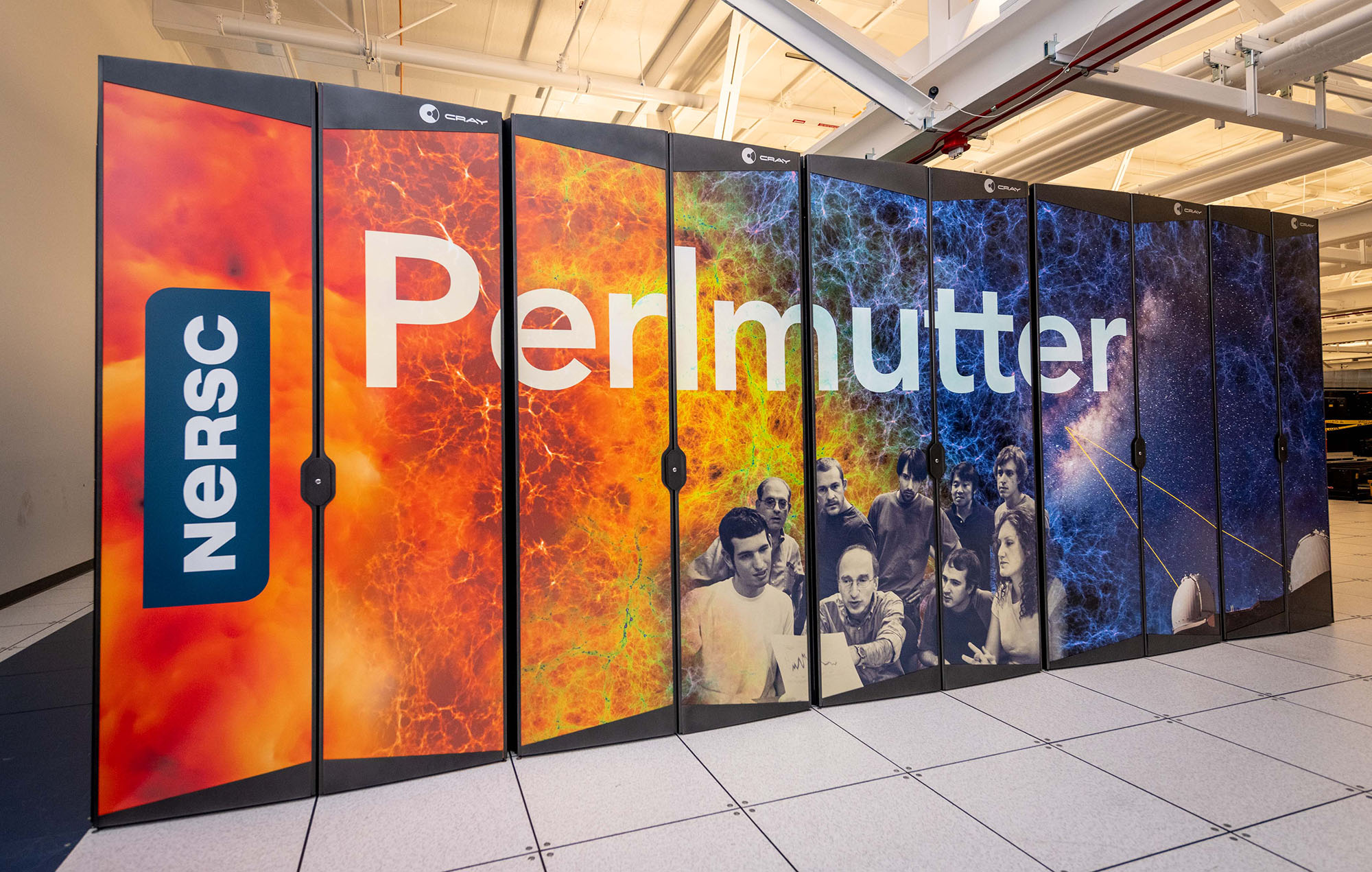
NERSC provides computational and data resources and expertise for scalable, powerful, and easy-to-use AI/ML in scientific computing.
Energy Sciences Network (ESnet)
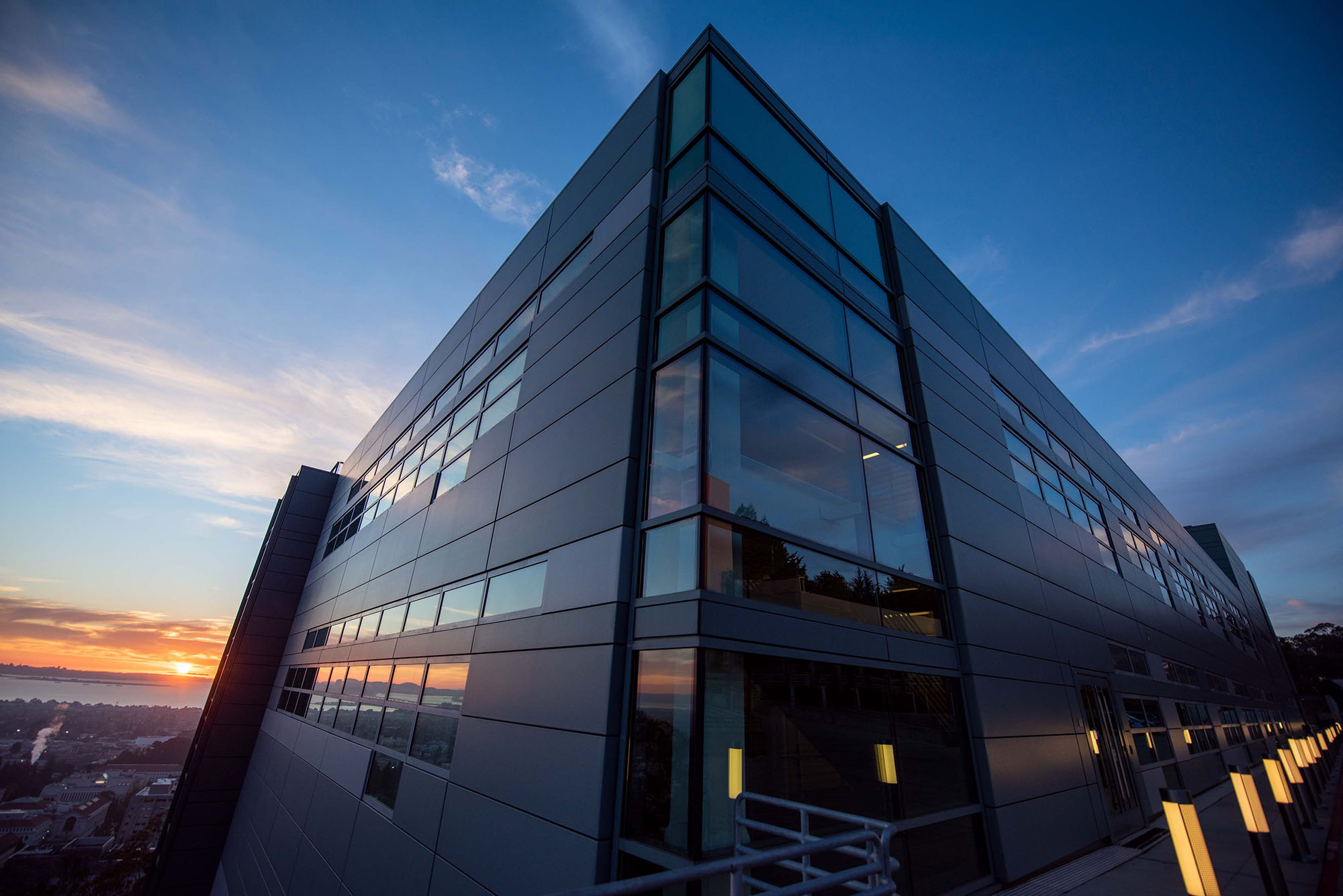
ESnet provides the high-speed, reliable, and secure network connections needed for efficient collaboration and processing of large datasets essential for scientific AI research, while also exploring how AI/ML models can improve network operations.
Center for Advanced Mathematics for Energy Research Applications (CAMERA)
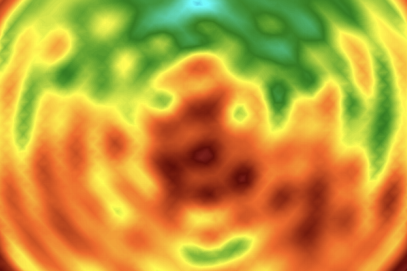
CAMERA advances AI research for science by creating advanced mathematical algorithms and tools for data analysis, modeling, simulation, and automated experiments.
Joint Genome Institute (JGI)
The JGI provides advanced genomic capabilities, large-scale AI-ready data and professional expertise to support the global research community in studies of complex biological and environmental systems.
Automated Labs
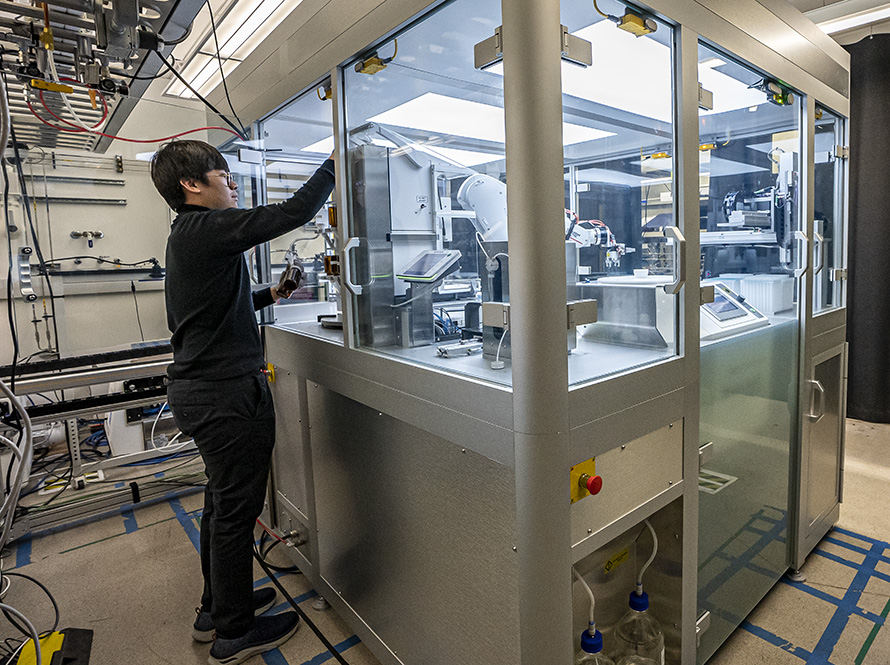
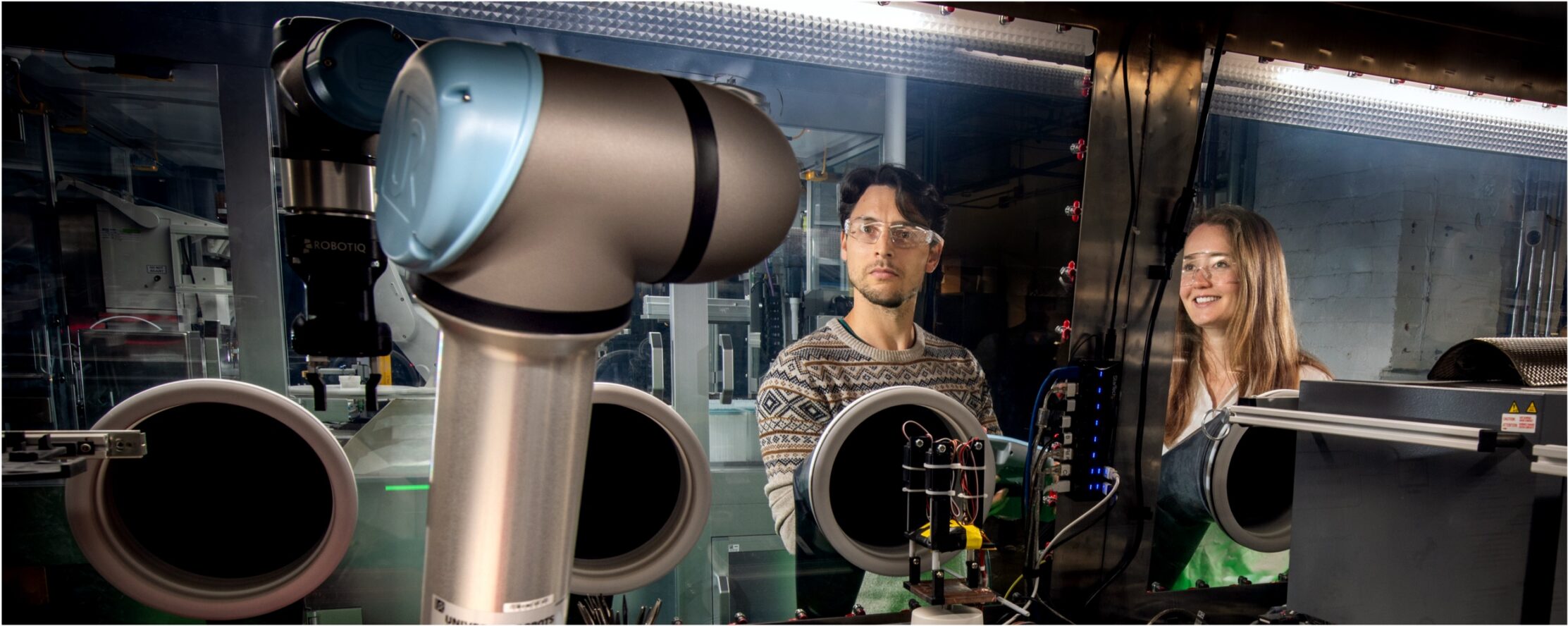
Berkeley Lab researchers are developing automated labs that use robots guided by artificial intelligence to advance science. A-Lab, which accelerates materials discovery, is one example.
Data Collaboratives

AI is fueled by data. Berkeley Lab curates and stores huge scientific datasets in areas such as materials, environment, biology, genomics, and physics.
High Performance Data Facility

The High Performance Data Facility (HPDF) is a partnership between Jefferson Lab and Berkeley Lab that is being established to provide resilient data infrastructure in support of the creation and curation of world class, AI ready datasets.
FORUM-AI
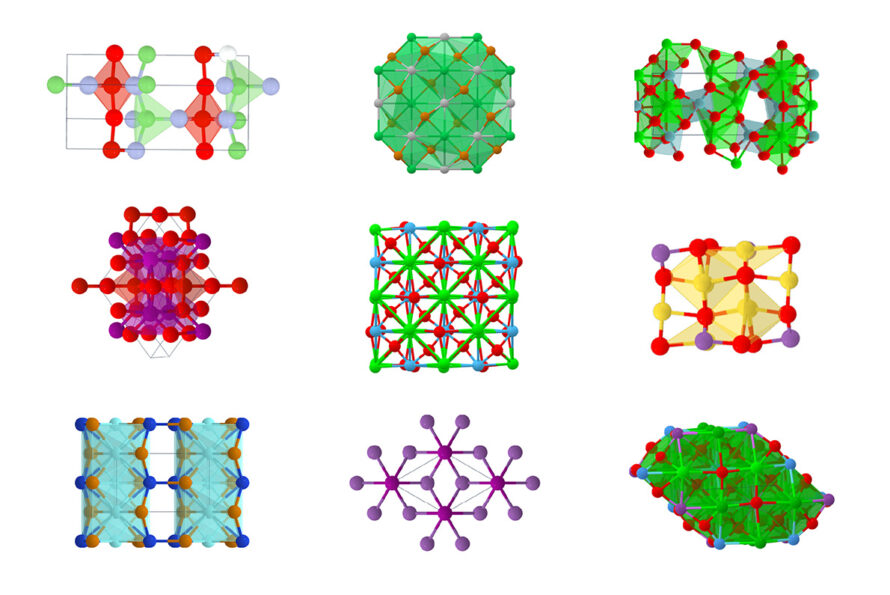
FORUM-AI (Foundation Models Orchestrating Reasoning Agents to Uncover Materials Advances and Insights) will develop an open-source, general-purpose AI platform for research in materials and the physical sciences.
We foster strong partnerships that guide innovations from the Lab toward the marketplace. See a sample of licensable AI and machine learning technologies.

"AI is now opening the door to entirely new areas of scientific inquiry that were previously unimaginable."

"We’re making intelligent AI tools that speed up discoveries particle accelerators can make in key applications like fission and fusion energy, advanced materials, fundamental physics, and medicine."
"We're building an AI-platform to accelerate discoveries essential to microelectronics, biomedical development, advanced manufacturing, and energy security."
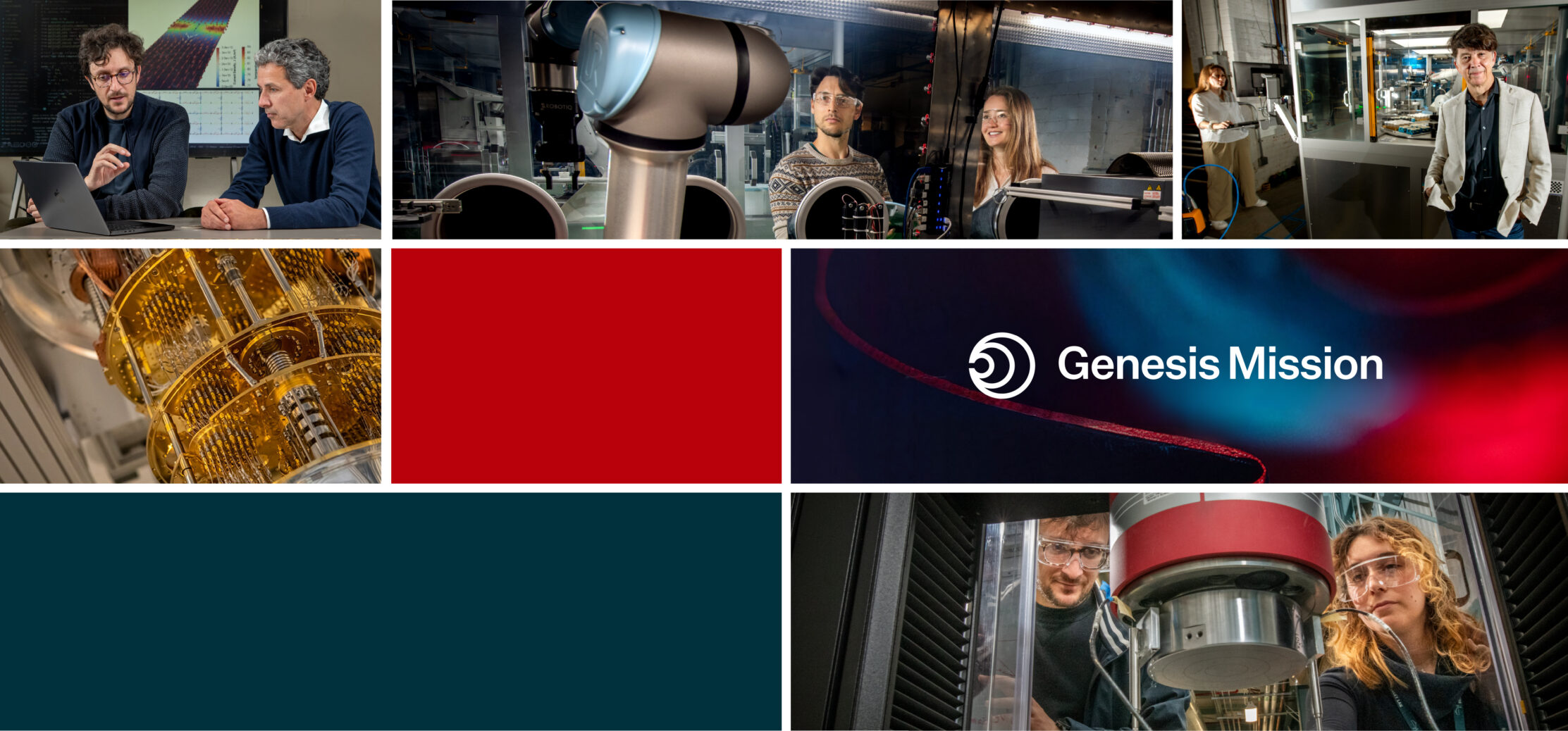

Researchers will apply artificial intelligence, supercomputing, and advanced instruments to accelerate discoveries for energy, science, and national security.
At Berkeley Lab, we’re accelerating the pace of science. Our teams and facilities are powering a new era of discovery, combining artificial intelligence, automation, and advanced data processing into integrated systems of rapid discovery.
From robotic labs that rapidly test new materials to AI-optimized lasers and supercomputers that analyze experimental data in real time, we are fast-tracking breakthroughs for an abundant and reliable energy future.
Our integrated approach is advancing the scientific enterprise across the nation, transforming the speed of discoveries and the way science gets done. These capabilities are critical in enabling the United States to compete in a global race for innovation powered by artificial intelligence.
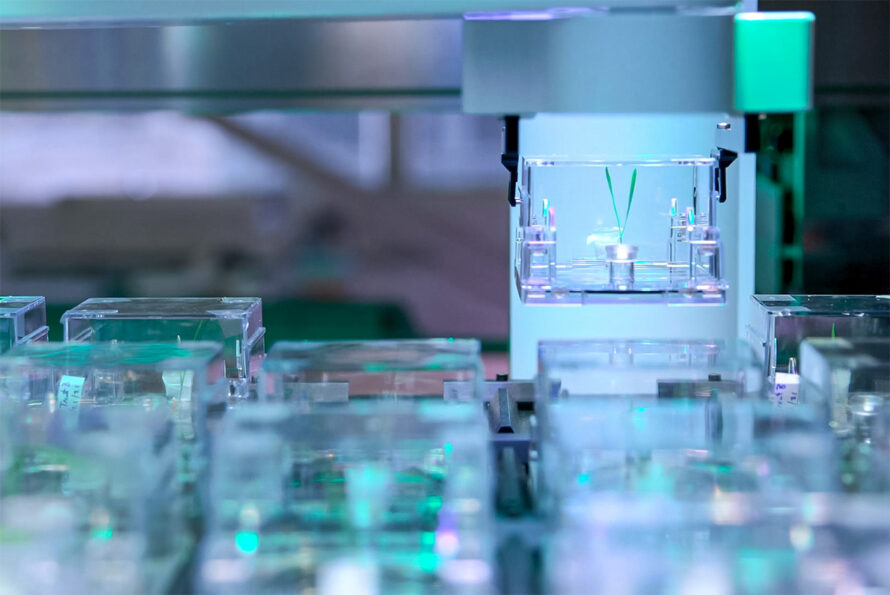
Meet EcoBOT: The Autonomous Lab Standardizing Plant-Microbe Research
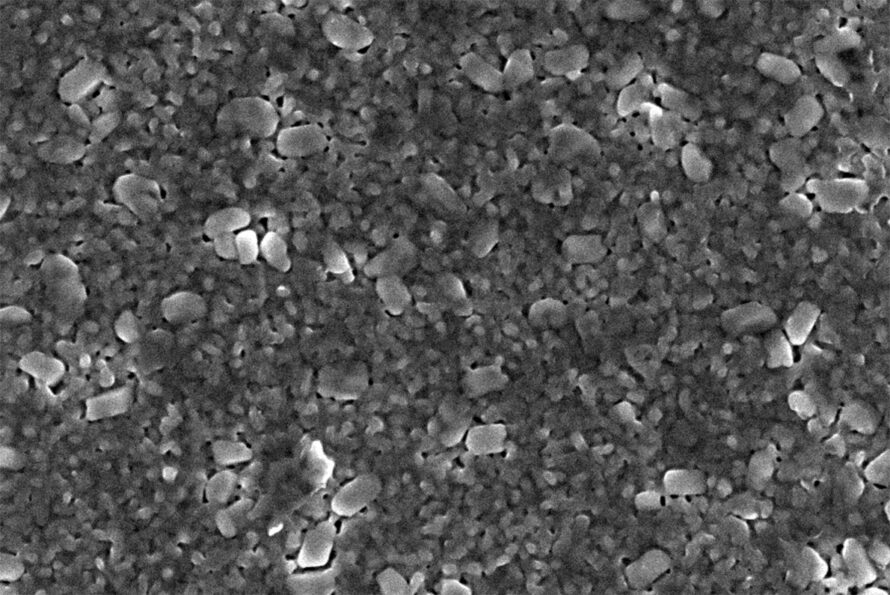
Scientists Develop Predictive Roadmap to Boost Performance in Next-Gen Spintronics
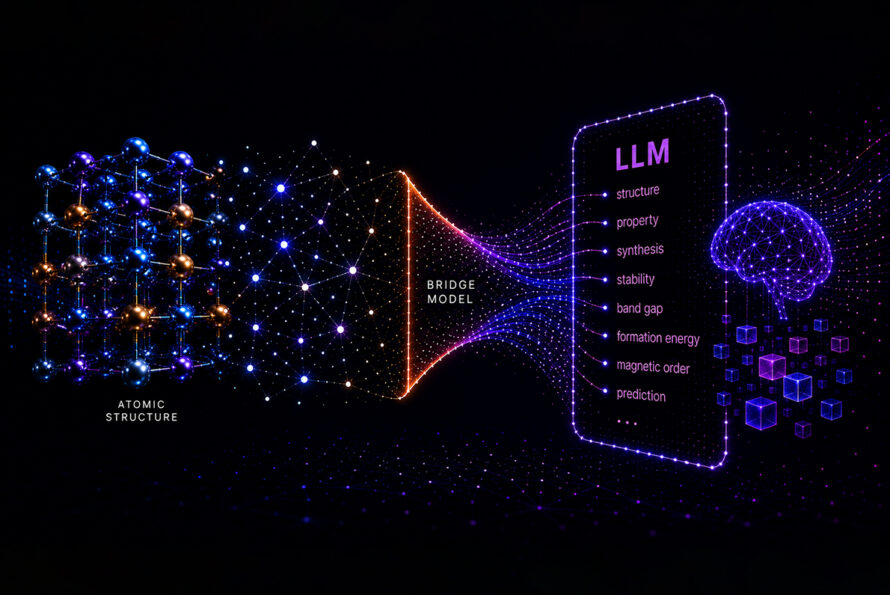
New MatterChat Model Helps AI to ‘See’ the Language of Science
Emerging Ideas

Frontier Computing Sciences
Emerging Capabilities