
Advanced Light Source (ALS)
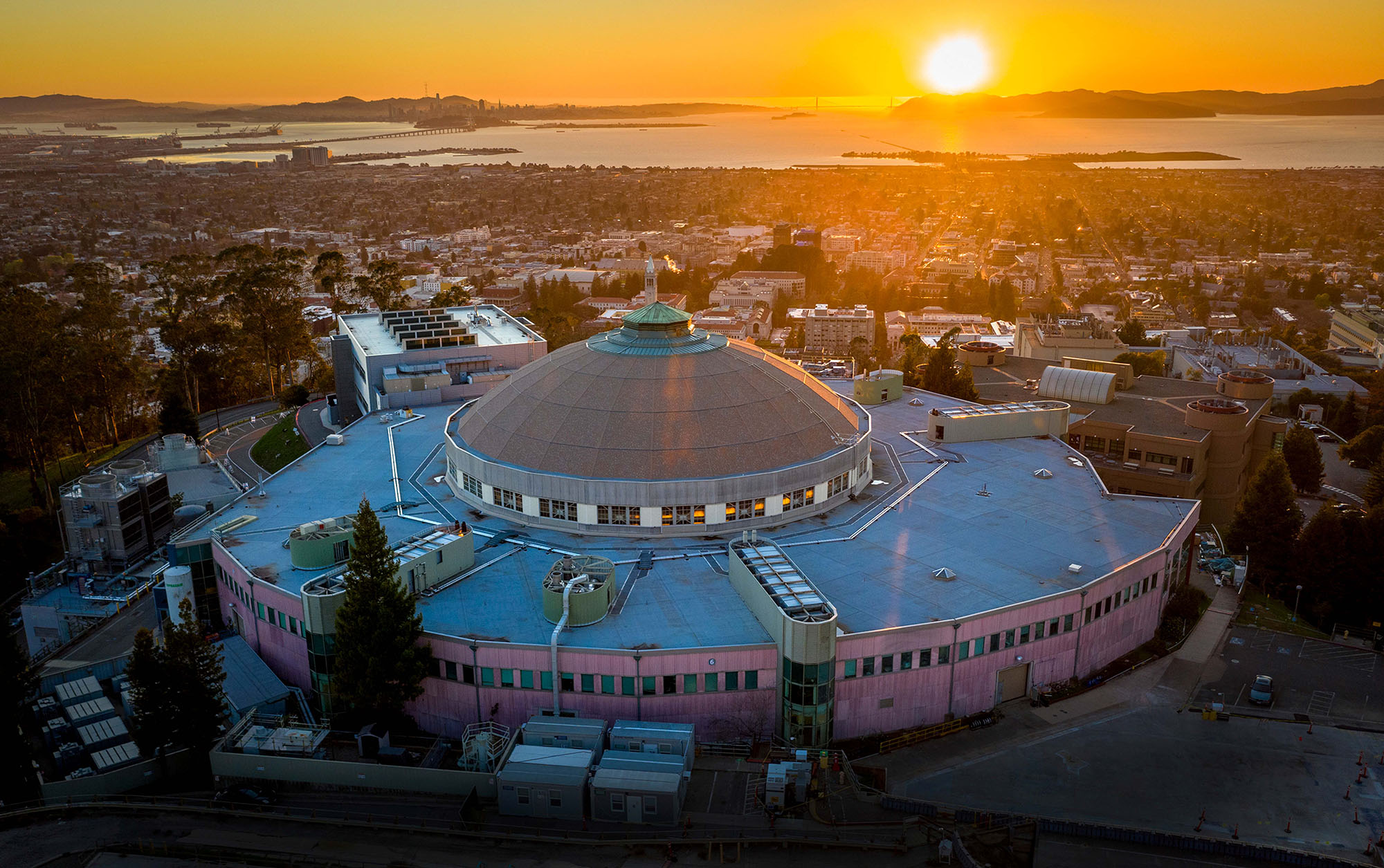
The ALS is a specialized particle accelerator, known as a synchrotron light source, that generates bright beams of X-ray, infrared, and extreme ultraviolet light useful for research. It supports the research of 2,000 users annually.
DOE Joint Genome Institute (JGI)
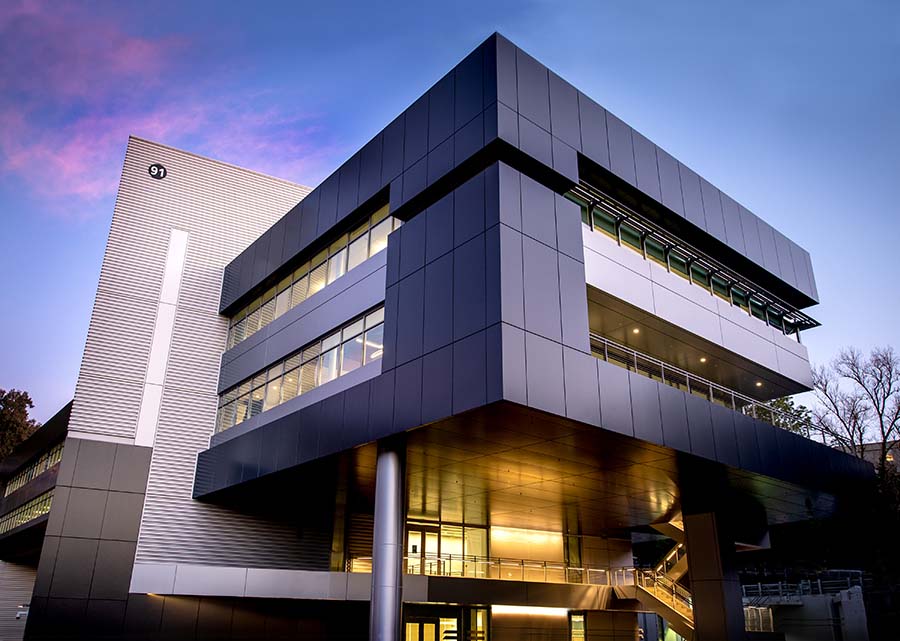
The JGI advances genomics science in support of the DOE’s clean energy and environmental missions by providing scientific users from around the world access to integrated, high-throughput gene sequencing, DNA design and synthesis, metabolomics, and computational analysis.
The Molecular Foundry
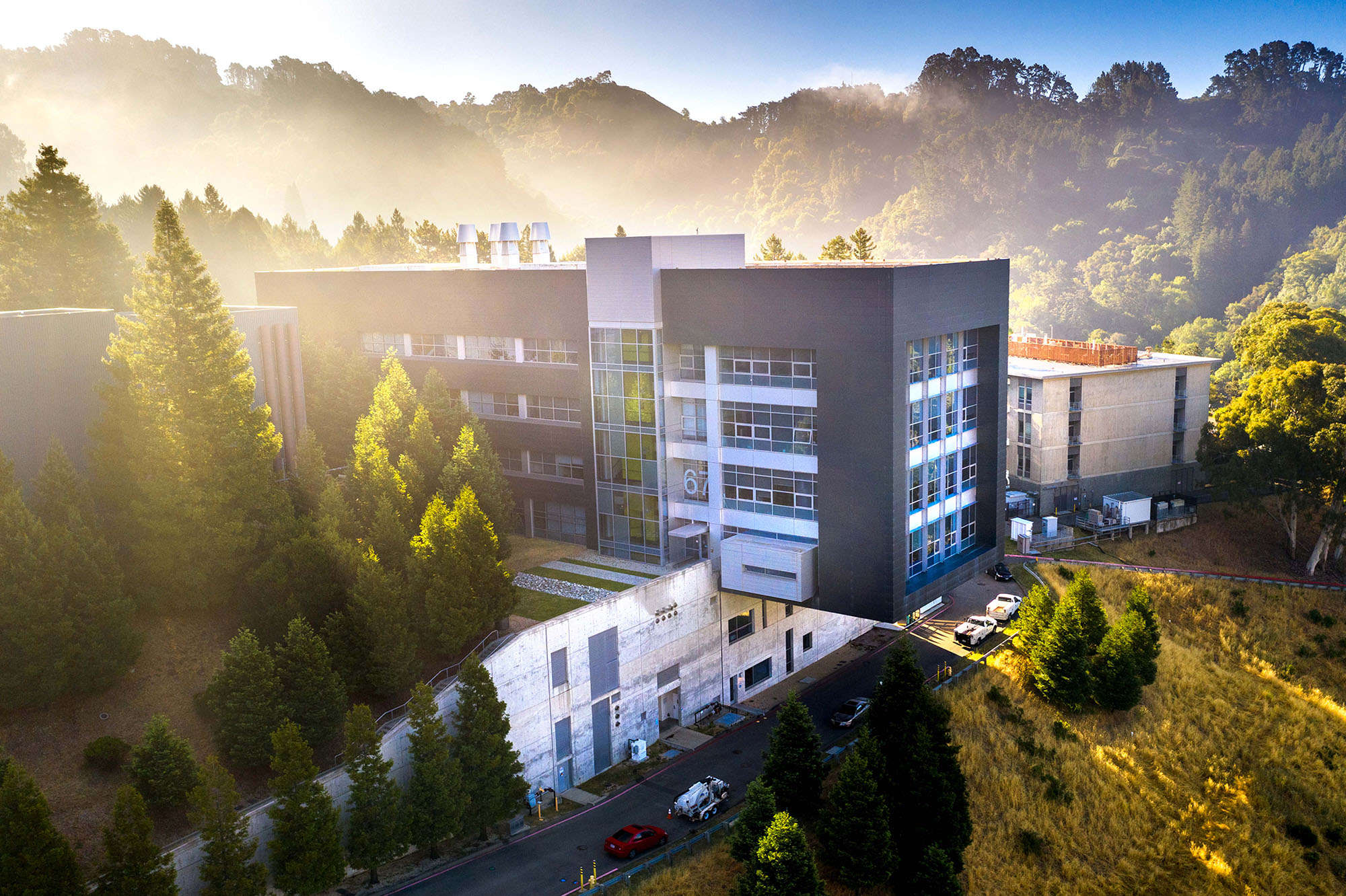
The Molecular Foundry is a DOE-funded nanoscience research facility that provides scientists from around the world access to world-class expertise and instrumentation in a collaborative, multidisciplinary environment.
National Energy Research Scientific Computing Center (NERSC)
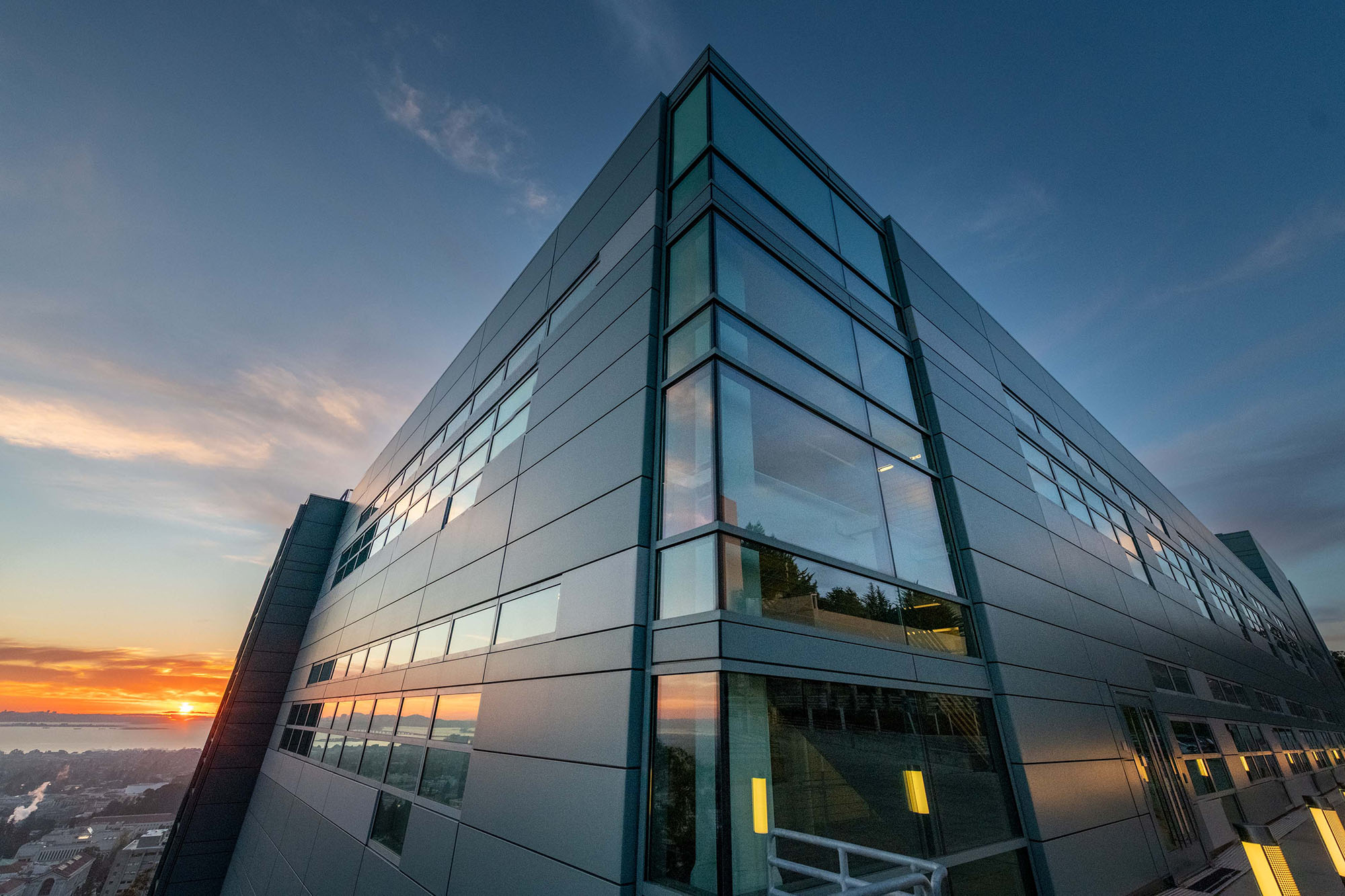
As the primary scientific computing facility for the DOE Office of Science, NERSC provides computational resources and expertise to more than 8,000 scientists each year, who use NERSC to perform unclassified basic research.
Energy Sciences Network (ESnet)
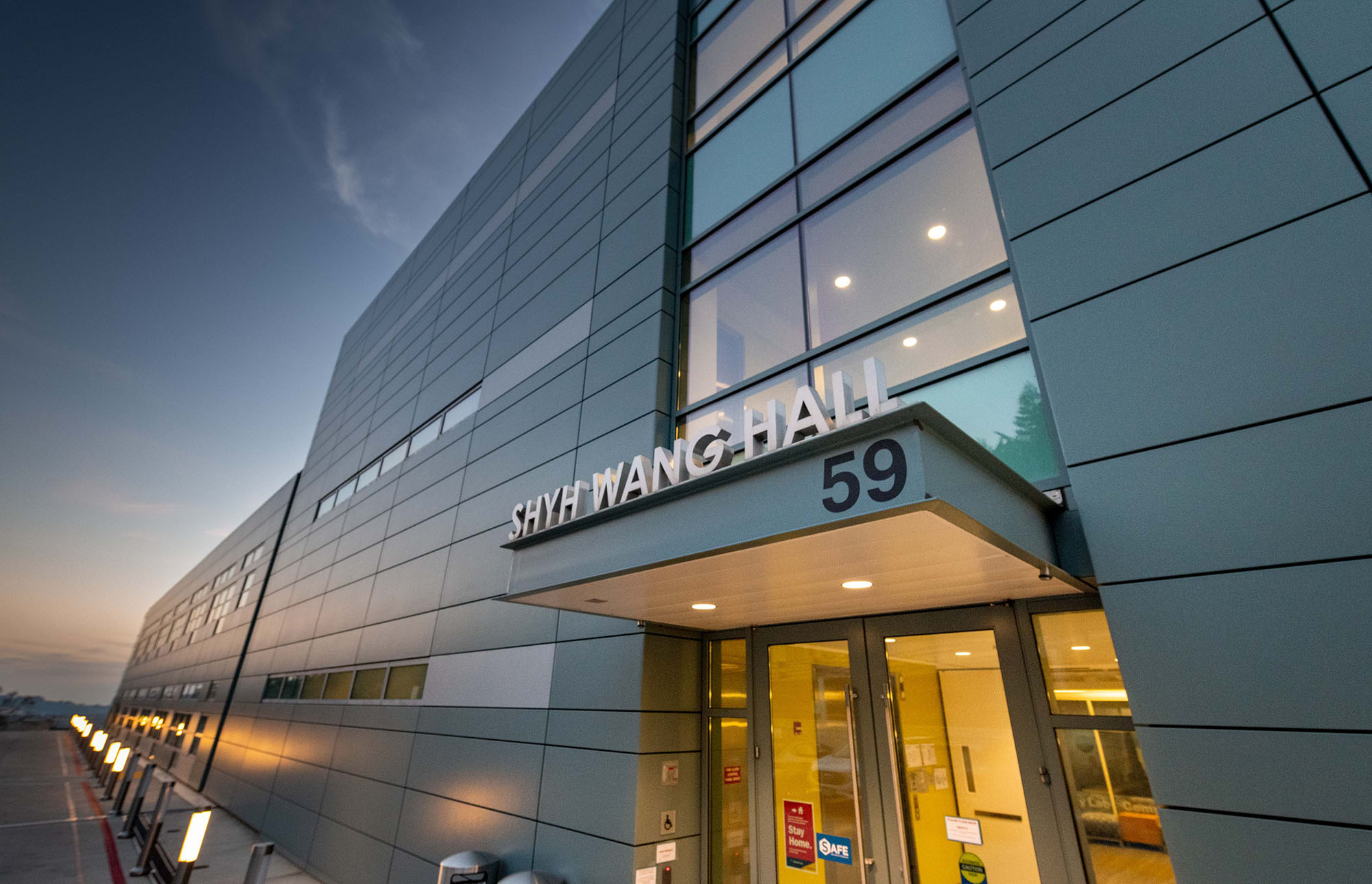
ESnet is the DOE’s dedicated science network, providing high-bandwidth, reliable connections that link the world’s scientists and their data, enabling them to collaborate on some of the world’s most important scientific challenges.
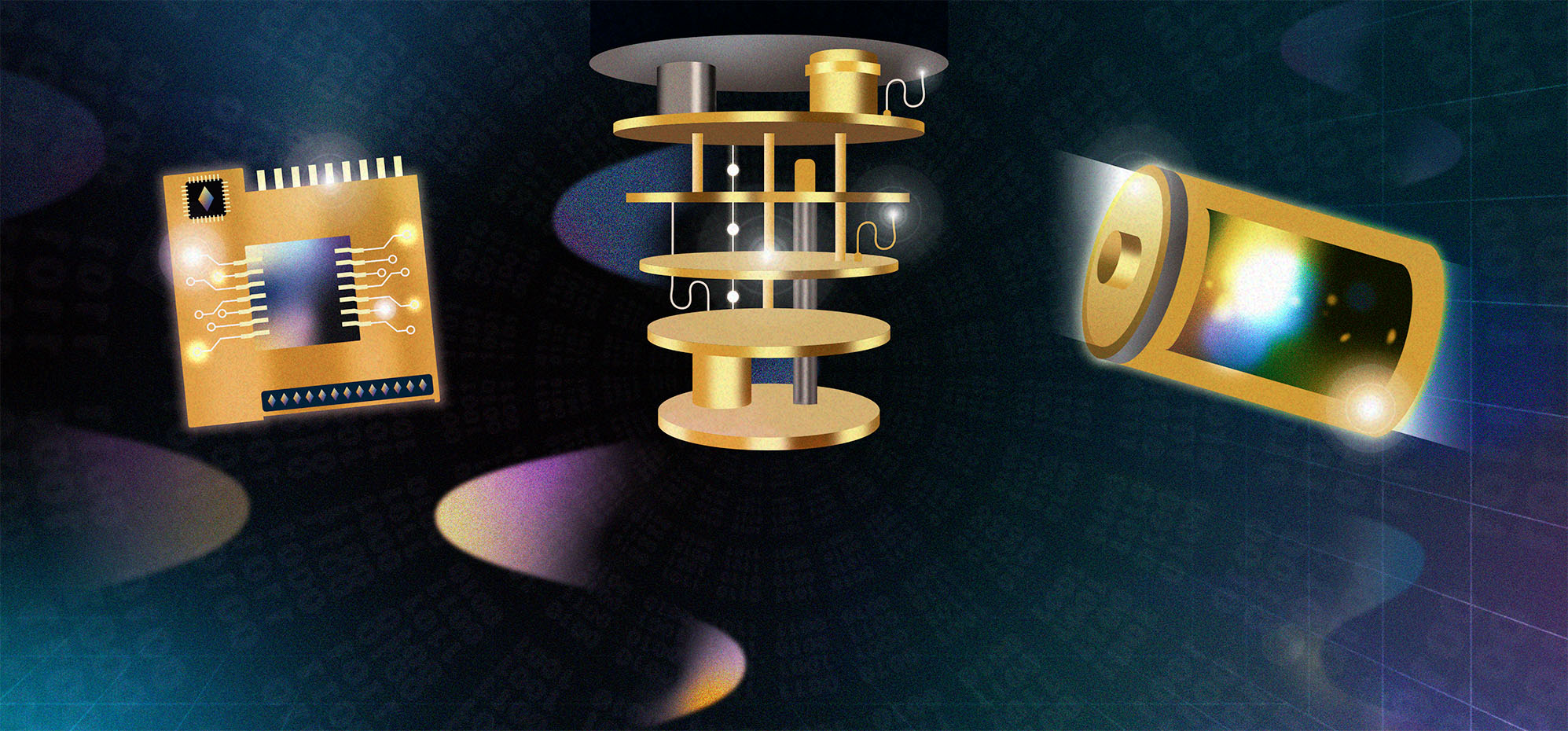
A state-of-the-art upgrade underway at Berkeley Lab’s soft X-ray facility will enable decades of continued research breakthroughs. The upgraded Advanced Light Source will give scientists far clearer views of materials, chemical reactions, and biological processes than ever before. These insights will accelerate the development of more powerful microchips, better batteries, quantum technologies, new medicines, and AI tools that speed scientific discovery.
World-class facilities, centers, research equipment, and advanced instruments are available to support the experimental and data needs of researchers, agencies, and companies.
Our Strategic Partnerships Office can help.