Berkeley Lab combines advanced sensing, computation, modeling, and field research to improve understanding of the Earth’s subsurface, helping address national challenges in energy, water security, critical minerals, and resilient infrastructure.
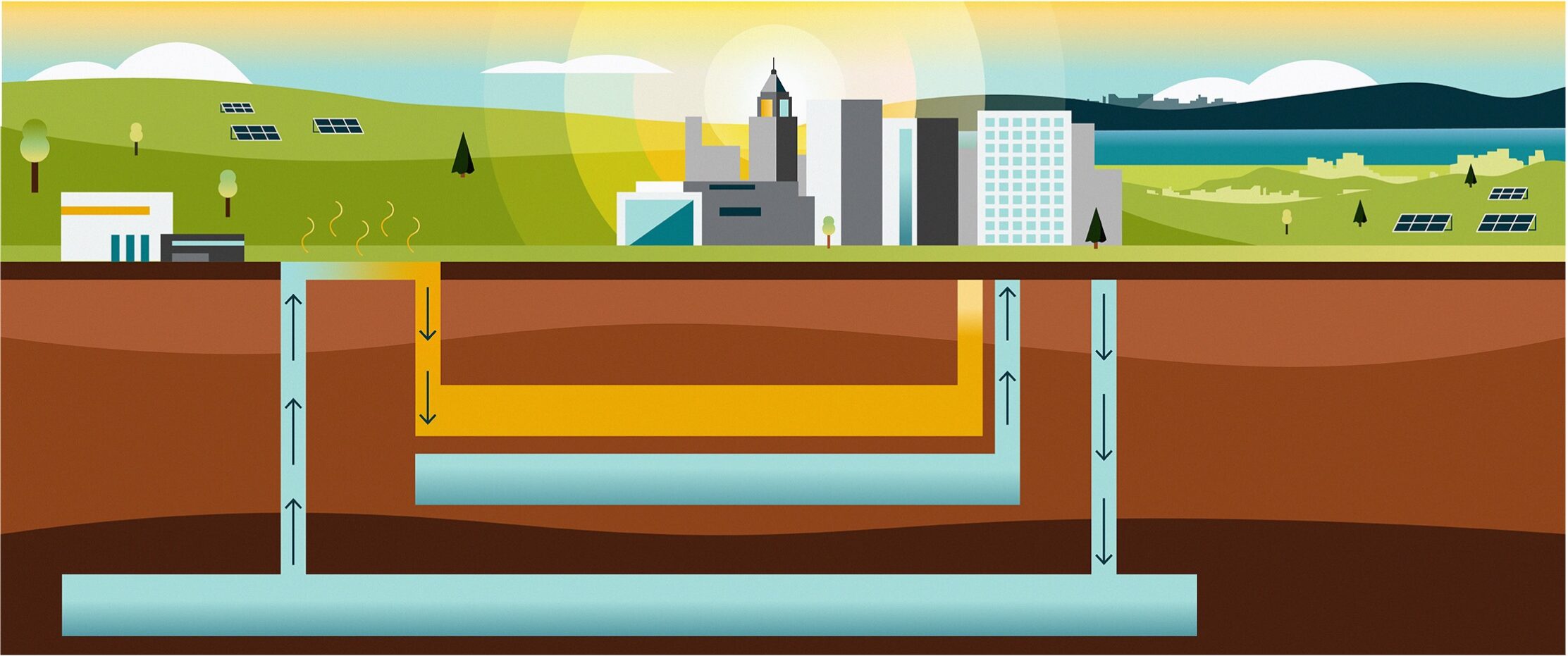
Geothermal Energy
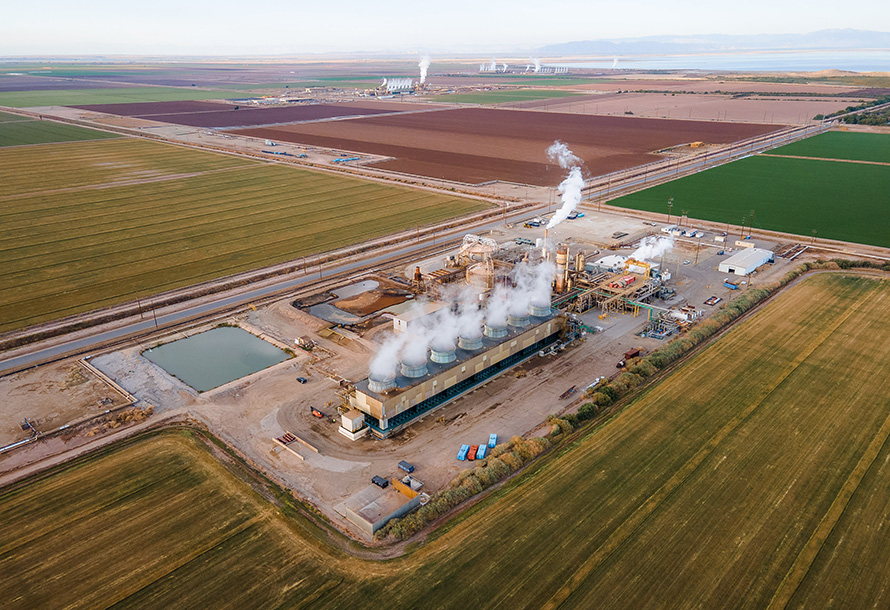
Exploring approaches to implement, monitor, and model enhanced geothermal systems, where hot rock permeability is artificially created or enhanced to expand geothermal energy production.
Nuclear Waste Management
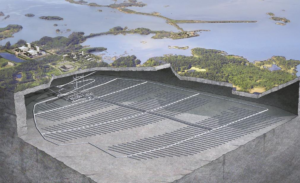
Developing the necessary experimental and computational capabilities to evaluate the safety and efficacy of disposing of spent fuel and waste.
Seismic Risk
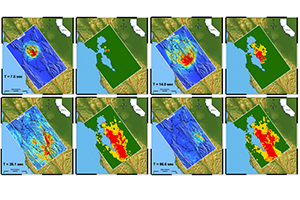
Creating advanced simulations, experiments, and sensing technologies to understand earthquake behavior and how it affects the built environment.
Infrastructure Integrity and Natural Gas
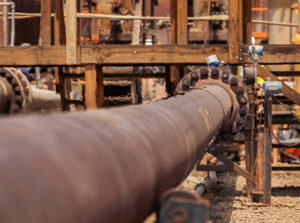
Developing advanced technologies for pipeline and borehole integrity monitoring, measuring and predicting natural phenomena.
Groundwater Management
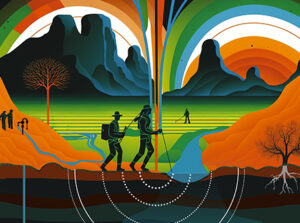
Research on groundwater systems, aquifer recharge, wildfire impacts, and future storm patterns to improve water supply planning and prediction.
Understanding and Unlocking Critical Minerals
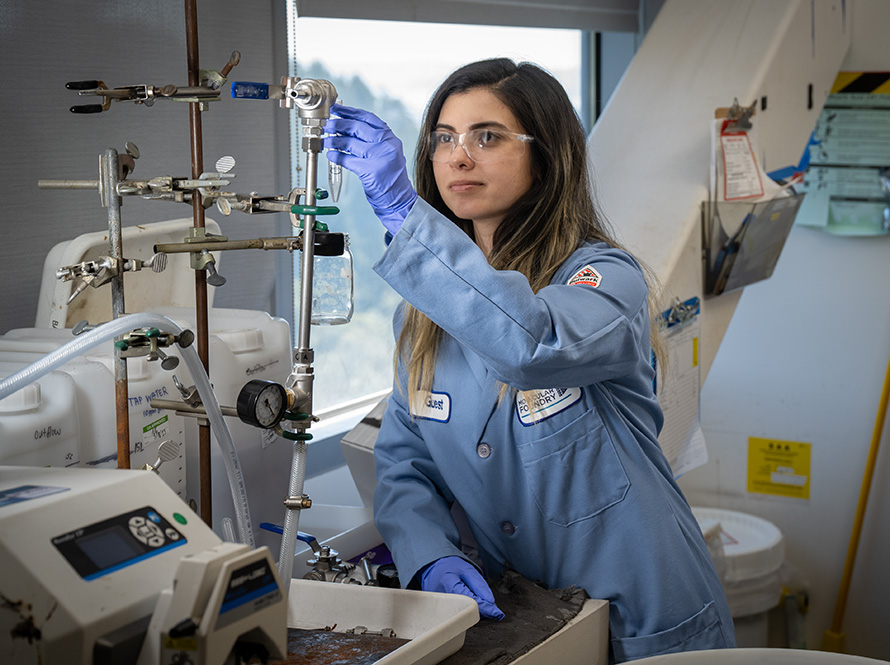
Improving methods for identifying and recovering critical minerals and rare earth elements to support reliable supply chains for modern technologies.
Strengthening U.S. Critical Minerals & Material Supply Chain
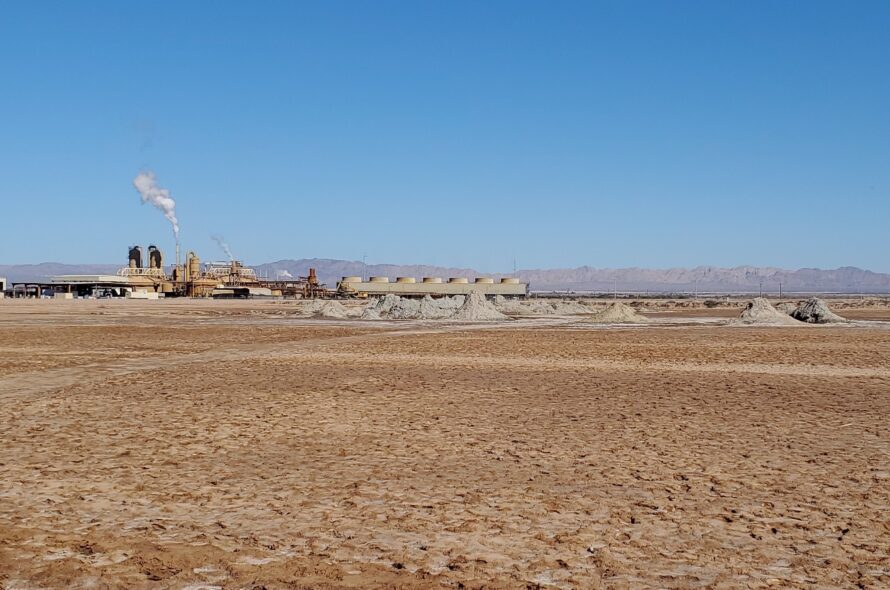
Our researchers leverage expertise in chemistry, materials science, AI, and technoeconomic analysis to develop new technologies and analytical tools.
Advanced Earth Science and Sensing Instrumentation
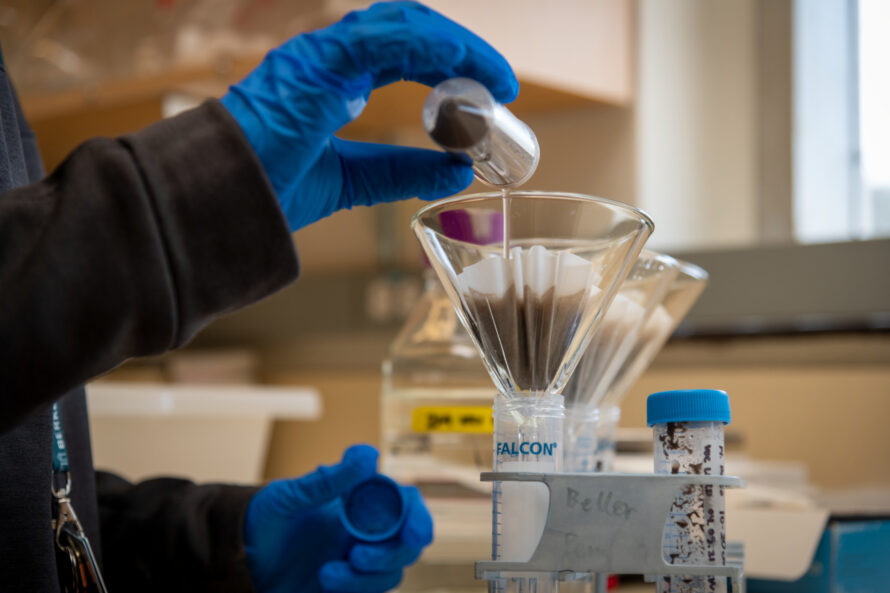
Developing custom instruments and sensing technologies to explore extreme environments like the deep subsurface and capture data needed to understand complex earth systems.

"For enhanced geothermal systems to become a major U.S. energy source, we need a clear understanding of rock stress, permeability, fluid pathways, and fracture growth. These factors are critical both to generate electricity and to avoid unwanted induced seismicity.”

"Before we can inject fluid like carbon dioxide into the subsurface, we have to know what’s there. Fiber-optic sensing can be helpful to answering all of these questions, tracking the location and movement of the carbon dioxide, and driving this solution forward."

“Geologic hydrogen research is a new field that holds a lot of potential. The ability to extract hydrogen from rocks, if it works, could be a game-changer."
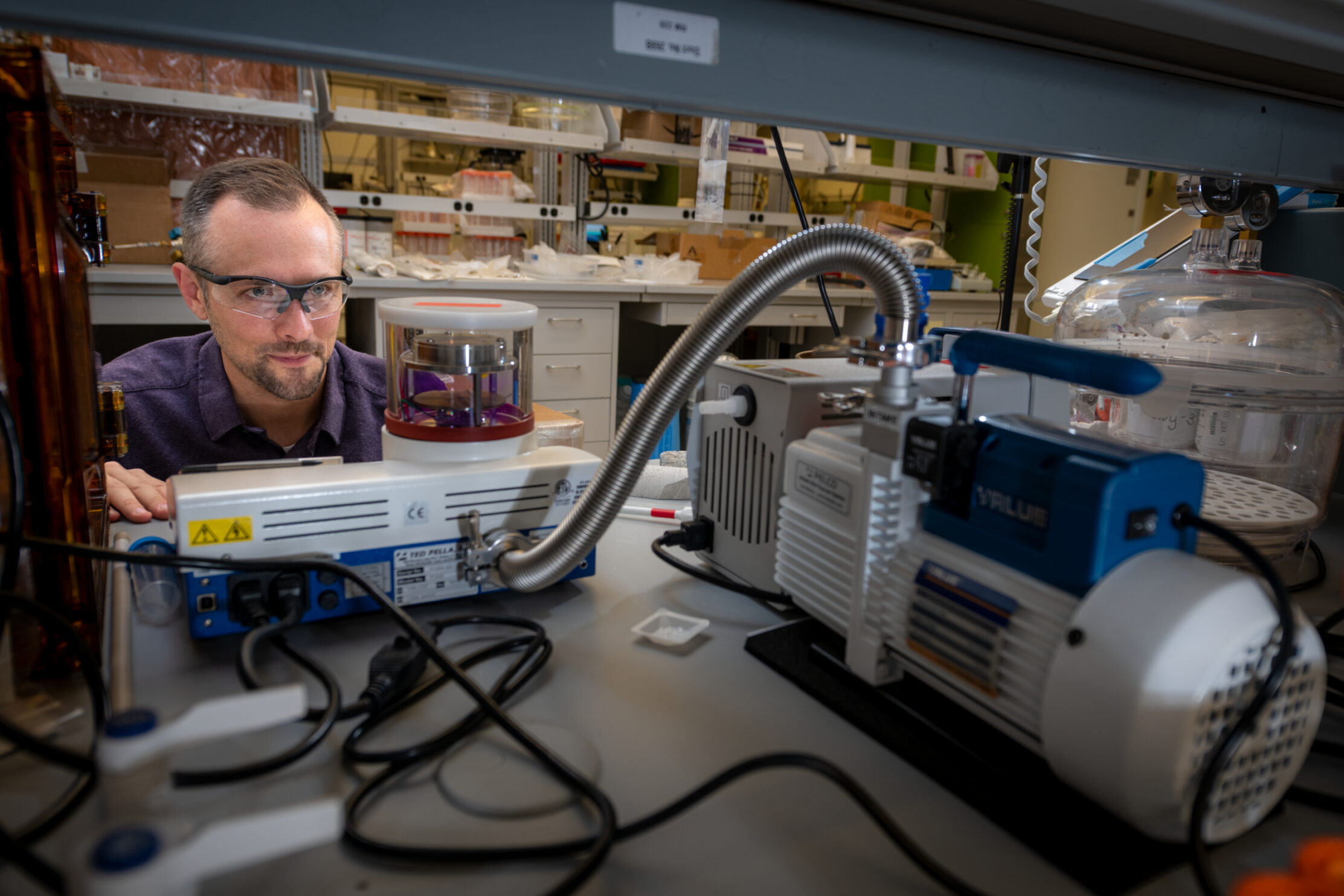
Approximately 80% of U.S. energy and 40% of its water come from below ground. Drawing on nearly 50 years of subsurface expertise, Berkeley Lab is unearthing the science needed to help secure critical minerals for energy applications, geothermal energy, and more.
Eva Schill, Geothermal Systems Program Lead in Berkeley Lab’s Energy Geosciences Division, discusses how enhanced geothermal systems (EGS) could expand access to the constant heat deep underground, where higher temperatures exist at greater depths. She explains how EGS differs from conventional geothermal resources, the scientific and engineering challenges involved, and how Berkeley Lab is helping advance this promising technology.
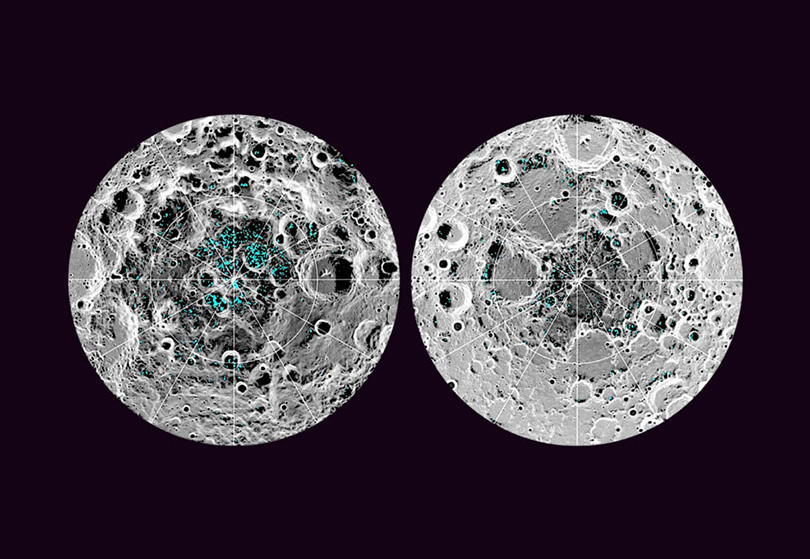
Ice Ice Maybe: New Ways to Search for Frozen Water on the Moon
Scientists Develop New Technology to Continuously Monitor Geothermal Energy Operations
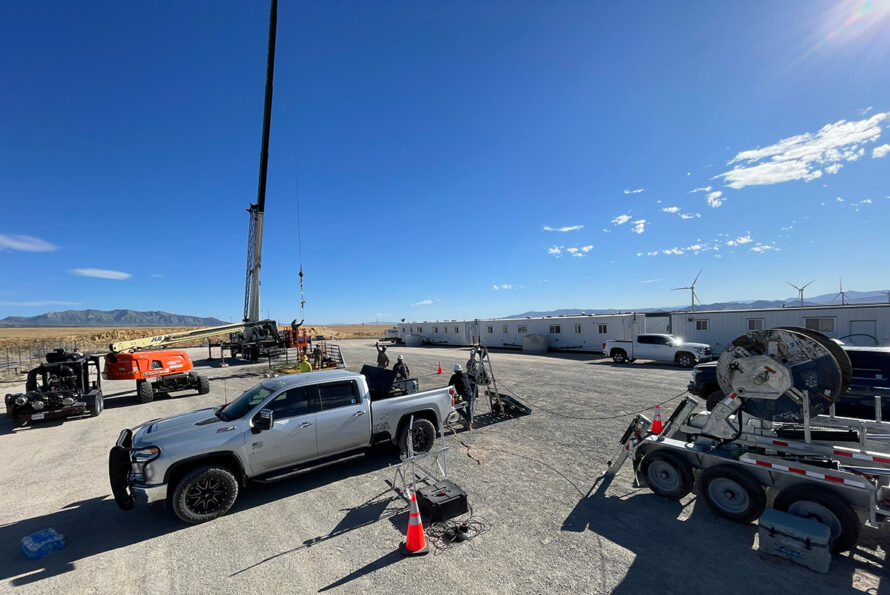
Fervo Energy: Pioneering Next-Generation Geothermal Power

Earth and Ecological Systems
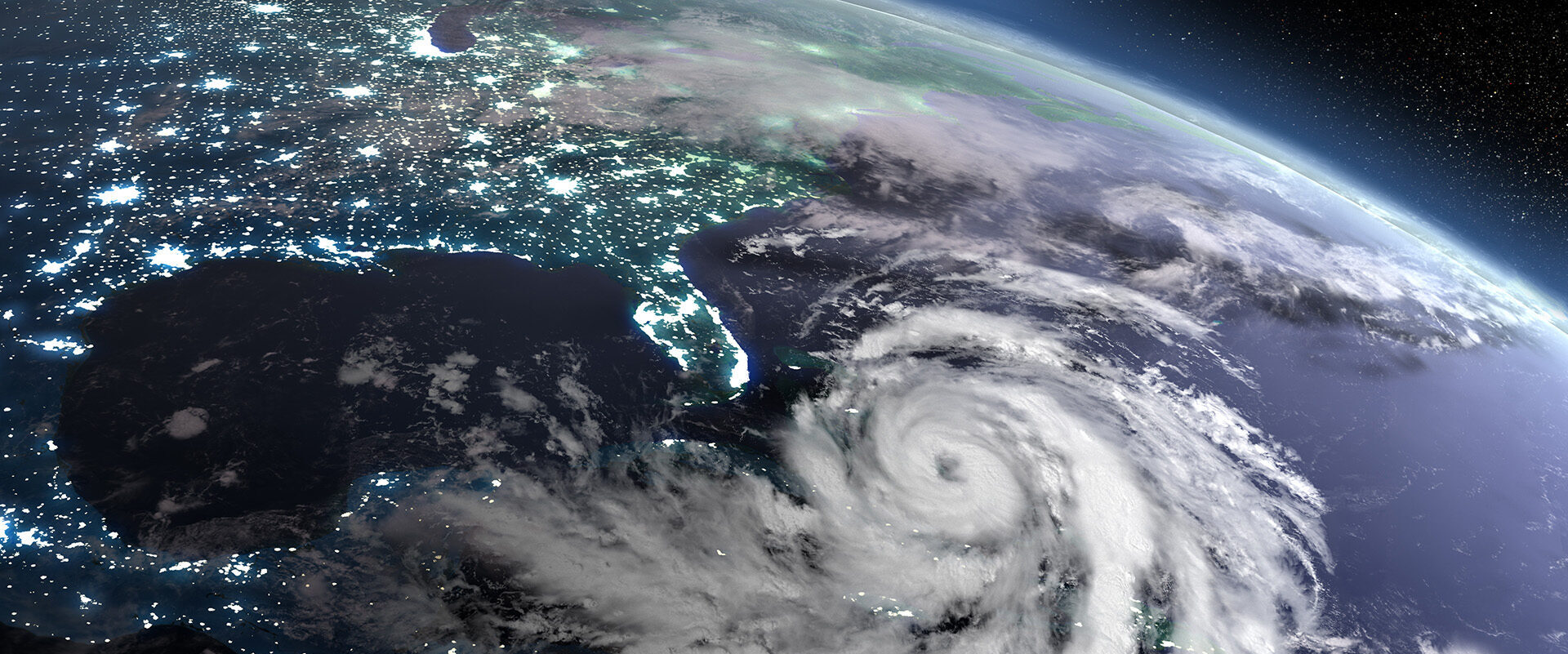
Water Innovation

Artificial Intelligence